


 English
  Español
What Temperature Can an Electric Water Heating Faucet Reach?
Date:2026-06-09
Content
- 1 What Temperature Can an Electric Water Heating Faucet Reach? A Complete Guide
- 2 How Fast Does an Instant Electric Kitchen Faucet Heat Water?
- 3 Temperature Range and Precision Control
- 4 Energy Efficiency: How Much Electricity Does a Tankless Electric Faucet Use?
- 5 Safety Systems Built Into Every Instant Hot Faucet Electric Design
- 6 Electric Faucet vs Traditional Water Heater: A Side-by-Side Look
- 7 Installation Guide and What to Check Before Buying
- 8 Durability and Long-Term Performance of Electric Heating Faucets
- 9 About Ningbo Maiteng Electric Appliance Co., Ltd.
- 10 Frequently Asked Questions
What Temperature Can an Electric Water Heating Faucet Reach? A Complete Guide
An instant hot faucet can deliver water at temperatures ranging from 30 degrees C to 50 degrees C, reaching that range in as little as 3 seconds after the water begins to flow. Unlike traditional storage water heaters, a tankless electric faucet heats water on demand, eliminating the wait time and the energy lost keeping a tank warm. This makes the electric water faucet one of the most practical upgrades for modern kitchens, combining speed, safety, and energy savings in a single compact unit.
Whether you are looking for a kitchen hot water faucet for daily dishwashing or a precise-temperature instant electric water heater faucet for food prep, understanding the temperature capabilities, energy efficiency data, and safety mechanisms of these units will help you make the right choice.
How Fast Does an Instant Electric Kitchen Faucet Heat Water?
The defining feature of an instant hot water tap is its 3-second activation speed. Advanced instant heating technology channels water through a compact, high-density stainless steel heating element. The moment water enters the chamber, the element activates and delivers hot water before you need to reach for a sponge.
Compare that to conventional systems, where you may wait 30 to 90 seconds for hot water to travel from a remote tank through cold pipes. The tankless faucet design removes that delay entirely because there is no stored water to reheat and no pipes to flush before warmth arrives.
Typical heat-up times across different water heating technologies. Instant electric faucets reach target temperature in approximately 3 seconds.
Temperature Range and Precision Control
A well-designed electric heating faucet offers a programmable range of 30 degrees C to 50 degrees C, giving users the flexibility to set exactly the temperature they need for different tasks. The precise temperature control system responds instantly to dial or digital input adjustments.
Recommended Temperature Settings by Use Case
| Task | Recommended Temperature | Reason |
|---|---|---|
| Fruit and vegetable rinsing | 30 - 35 degrees C | Gentle on produce, comfortable for hands |
| General dishwashing | 38 - 42 degrees C | Effective grease removal, skin-safe range |
| Degreasing pots and pans | 45 - 50 degrees C | Accelerates fat emulsification |
| Baby bottle pre-rinse | 37 - 40 degrees C | Mimics body temperature, safe for plastics |
This level of granular control is not available on standard cold-only faucets or even many conventional hot water systems, which often fluctuate by several degrees depending on flow rate and pipe length. The countertop hot water faucet format eliminates those variables by heating at the point of use.
Energy Efficiency: How Much Electricity Does a Tankless Electric Faucet Use?
One of the most compelling reasons to switch to an energy saving electric faucet is the measurable reduction in electricity consumption. Because there is no storage tank, there is no standby heat loss. Traditional tank heaters continuously consume energy to maintain water temperature, even overnight when no one is using hot water.
Independent testing shows that a tankless faucet electric unit consumes roughly one-third the energy of an equivalent storage heater for the same volume of hot water delivered. This figure aligns with national first-level energy efficiency standards and translates directly into lower monthly electricity bills.
Estimated annual energy consumption (kWh) across different daily usage hours. The energy saving electric faucet consistently uses approximately one-third of the energy of a storage heater.
Key energy advantages of the electric faucet instant electric water heater design include:
- No standby heat loss because there is no tank to maintain
- Heating element activates only when water flows, reducing idle consumption to near zero
- Compact design minimizes heat radiation through unit surfaces
- Compliant with national first-level energy efficiency standards
Safety Systems Built Into Every Instant Hot Faucet Electric Design
Safety is the primary concern consumers raise when considering a hot water faucet that combines electricity and water at the point of use. Modern units address this directly with a layered protection architecture that operates passively, requiring no input from the user.
Core Safety Technologies
- Water-electricity separation: The heating element is hermetically sealed from all water-contact surfaces, so current never reaches the water stream under any operating condition.
- Anti-leakage protection device: A dedicated leakage detection circuit interrupts power within milliseconds if any moisture is detected on the electrical components.
- Over-temperature automatic power-off: If internal temperature exceeds the set threshold, the system cuts power automatically to prevent scalding and element damage.
- IPX4 waterproof certification: The enclosure resists water splashing from any direction, meeting the rigorous IPX4 standard for kitchen and countertop environments.
- Stainless steel heating tube: High corrosion resistance extends service life and prevents metal leaching into the water supply.
Safety feature score comparison (out of 10) between instant electric faucet and conventional storage water heater designs.
Electric Faucet vs Traditional Water Heater: A Side-by-Side Look
When evaluating an instant electric water heater faucet against a conventional storage unit, several dimensions deserve direct comparison. The table below distills the key differences that matter most for kitchen use.
| Feature | Instant Electric Faucet | Storage Water Heater |
|---|---|---|
| Heat-up time | 3 seconds | 30 - 90 seconds |
| Standby energy loss | Near zero | Continuous (5 - 15% of total energy) |
| Installation footprint | Under-sink or countertop | Dedicated wall or cabinet space |
| Temperature precision | +/- 1 degree C accuracy | Variable, affected by pipe distance |
| Water-electricity separation | Built-in, hermetic seal | Standard grounding only |
| Energy efficiency rating | First-level (national standard) | Second to fourth level typical |
Installation Guide and What to Check Before Buying
The countertop hot water faucet format is one of the easiest kitchen upgrades to install because it requires no tank, no flue, and minimal plumbing. Most units connect directly to the existing cold water supply line and a standard wall outlet. Before purchasing, verify the following:
- Confirm your kitchen outlet voltage matches the unit specification (typically 220V for Asian markets, 120V or 240V for other regions).
- Measure the under-sink clearance or countertop depth to ensure the unit fits without blocking cabinet access.
- Check that the inlet water pressure falls within the product operating range, usually 0.05 MPa to 0.6 MPa.
- Verify the outlet circuit is grounded and protected by a residual current device (RCD) or ground fault circuit interrupter (GFCI).
- Confirm the faucet spout length and arc clear your sink basin without splashing.
Indicative adoption share of kitchen hot water solutions in new residential installations, reflecting the growing preference for instant electric faucet formats.
Durability and Long-Term Performance of Electric Heating Faucets
Long-term value from an electric heating faucet depends primarily on the quality of the heating element and the housing materials. Stainless steel heating tubes, used in high-quality units, resist mineral scale buildup and corrosion far better than copper or aluminum alternatives, extending service life by an estimated 30 to 50 percent in hard-water environments.
Routine maintenance for a kitchen hot water faucet of this type is minimal. Every 6 to 12 months, depending on local water hardness, a short descaling cycle using food-grade citric acid solution keeps flow rates and temperature accuracy consistent. Beyond that, no filter changes, no anode rod replacements, and no pilot light inspections are required.
Expected Service Life by Component
- Stainless steel heating tube: 8 to 12 years under normal usage conditions
- Ceramic disc valve cartridge: 500,000 operation cycles or approximately 10 years of daily use
- Temperature control module: Solid-state design with no moving parts, typically outlasts the physical housing
- Outer housing (ABS or stainless): Indefinite with normal cleaning, IPX4 rated against surface moisture
About Ningbo Maiteng Electric Appliance Co., Ltd.
Established in 2011, Ningbo Maiteng Electric Appliance Co., Ltd. has dedicated over a decade exclusively to the electric water heating faucet category. The company holds ISO9001 and CE certifications and operates from a 10,000 square meter facility with 200 employees, producing 2 million units annually. Operations span sales, e-commerce, production, after-sales, warehousing, and quality inspection under one roof.
Strategic partnerships with well-known domestic brands including Arrow, Konka, Sacon, Sunrain, and Royalstar validate the company's manufacturing standards. In addition to OEM production, Maiteng develops and markets its own brands, Dongri Le and Aituosheng. In March 2019 the company launched its newest brand, HELLO DREAM, and distributes through 4 Tmall stores, 5 Pinduoduo stores, 2 Taobao enterprise stores, and 1 Alibaba wholesale platform store. A dedicated foreign trade department, established in 2023, now serves international buyers seeking a reliable instant electric water heater faucet manufacturer. The company's guiding principle is "Fast and hot life starts with me."
Frequently Asked Questions
Q1: What is the maximum temperature an instant electric water heater faucet can reach?
A: Most instant hot faucet models deliver water at up to 50 degrees C. This upper limit is intentional. It provides effective cleaning performance for kitchen tasks while remaining safe for regular hand contact and avoiding scalding risk.
Q2: Is a tankless electric faucet safe to use in a kitchen environment?
A: Yes. A well-designed electric water faucet incorporates water-electricity separation, a leakage protection circuit, over-temperature automatic shutoff, and IPX4 waterproof certification. These layers work passively to eliminate hazards without any action from the user.
Q3: How does the energy saving electric faucet reduce electricity consumption compared to a storage heater?
A: The tankless design eliminates standby heat loss entirely. Energy is consumed only when water is flowing through the unit. In comparable usage scenarios, this results in roughly one-third the energy consumption of a storage water heater maintaining the same outlet temperature.
Q4: Can an electric heating faucet be used with low water pressure?
A: Most units are rated for inlet pressures starting from 0.05 MPa, which is lower than the minimum pressure found in most municipal water supplies. As long as water flows through the unit, the heating element activates and delivers hot water consistently.
Q5: How often does a countertop hot water faucet need maintenance?
A: Routine maintenance is minimal. A descaling rinse with food-grade citric acid every 6 to 12 months (more frequently in hard-water areas) is typically all that is required. Unlike storage heaters, there are no anode rods to replace and no sediment tanks to flush.
Q6: Does the instant hot water tap require a dedicated electrical circuit?
A: It is strongly recommended to connect the unit to a dedicated circuit protected by a ground fault circuit interrupter (GFCI) or residual current device (RCD). While some lower-wattage models can share a circuit, a dedicated line ensures optimal performance and complies with safety best practices for appliances that combine water and electricity.
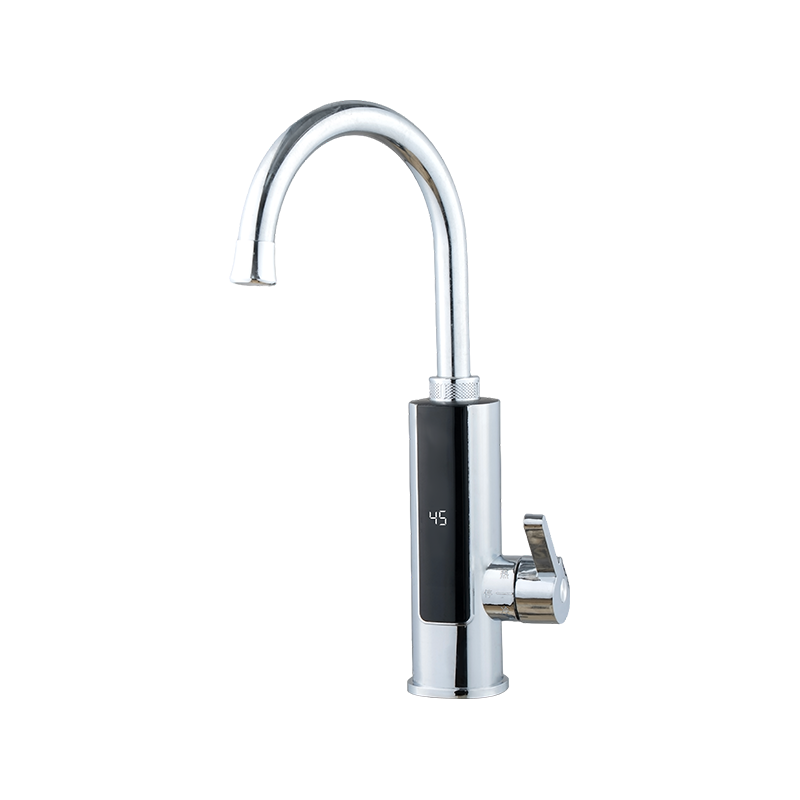
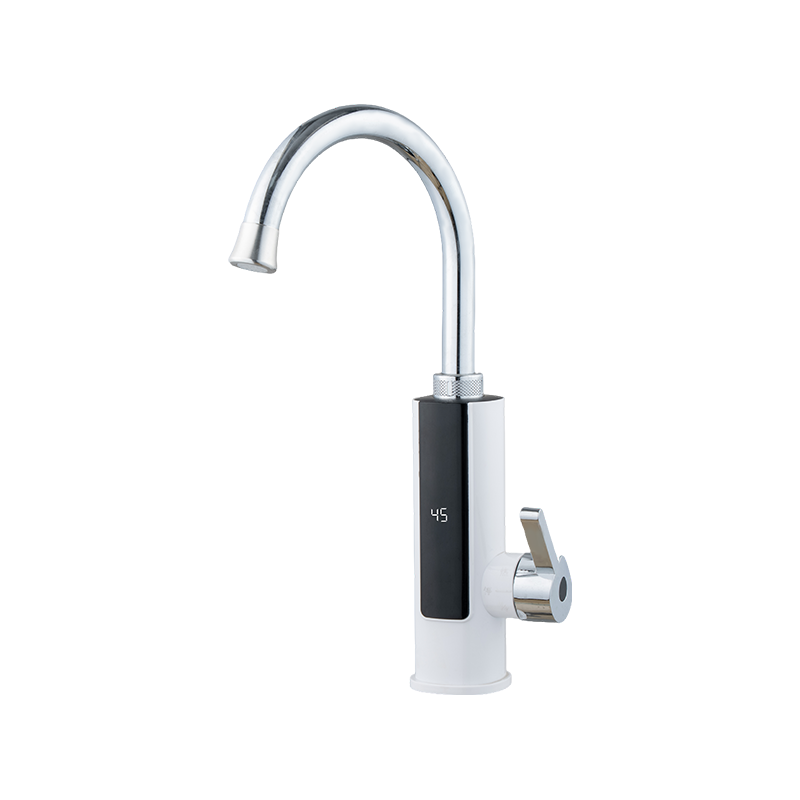
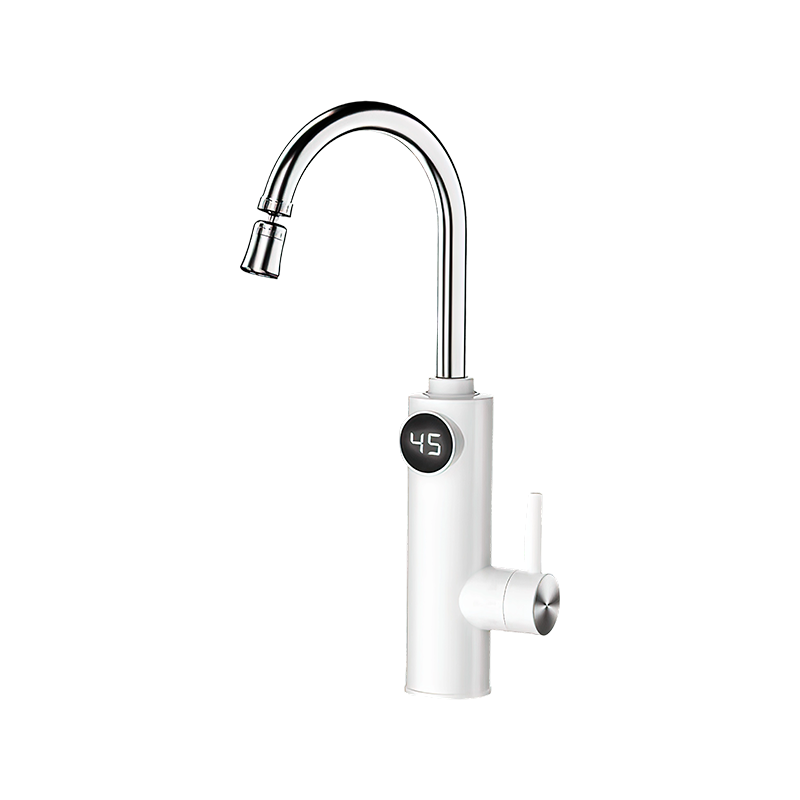
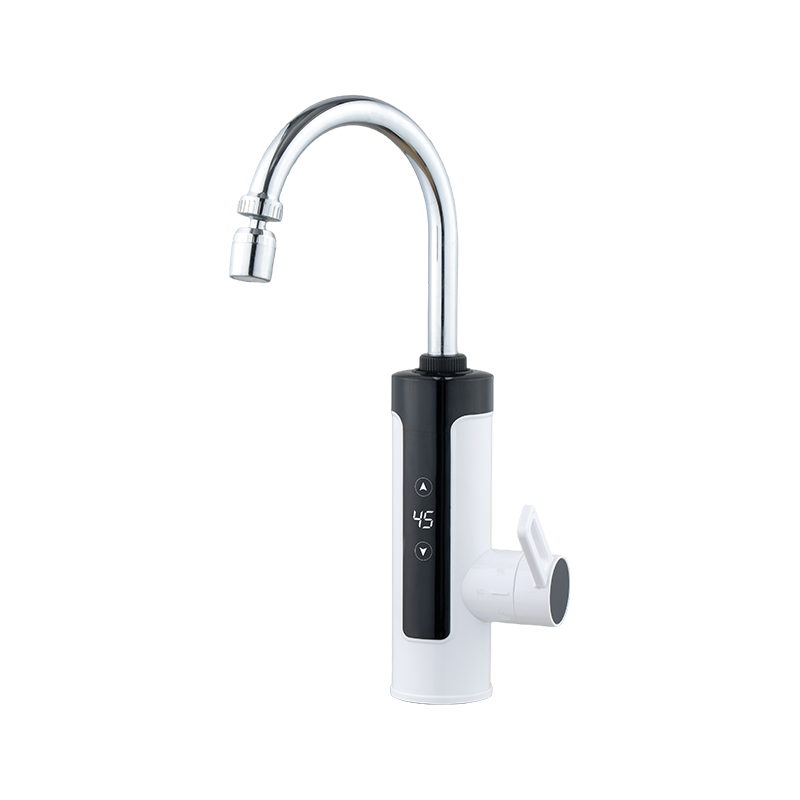



NINGBO MAITENG ELECTRIC APPLIANCE CO., LTD. integrates production and sales. The company adopts a dual model of self-management and distribution sales.
- CONTACT INFO
-
NO.8 Yaobei Avenue,Simen Town, Yuyao City, Ningbo City, Zhejiang, China
-
 +86-159 5821 2132
-
 +86-574-62178444
-
 +86-159 5821 2132
-
 [email protected]
[email protected]
-
- SCAN IT
-
Mobile terminal

