


 English
  Español
Can an Instant Electric Water Heater Supply Multiple Bathrooms?
Date:2026-06-03
Content
- 1 How an Instant Electric Water Heater Works
- 2 Can One Unit Really Cover Multiple Bathrooms?
- 3 Key Factors That Determine Multi-Bathroom Performance
- 4 Single Central Unit vs. Multiple Point-of-Use Units
- 5 Energy Efficiency: Tankless vs. Tank Storage
- 6 Choosing the Right Instant Electric Water Heater for Your Application
- 7 Installation Tips for Multi-Bathroom Setups
- 8 What to Look for When Sourcing From a Manufacturer or Supplier
- 9 Performance Benchmarks: What Good Looks Like
- 10 About NINGBO MAITENG ELECTRIC APPLIANCE CO., LTD.
- 11 Frequently Asked Questions
Yes — a single instant electric water heater can supply multiple bathrooms, but only when the unit is correctly sized and the installation is properly planned. Flow rate, incoming water temperature, pipe layout, and simultaneous usage patterns all determine whether one tankless electric water heater can meet the full demand of a home or commercial space. This article walks through every factor you need to evaluate, backed by real data, so you can make a confident decision.
How an Instant Electric Water Heater Works
An instant electric water heater — also called a tankless heater or on demand water heater — heats water only when a tap is opened. Cold water flows through a heating element, exits hot, and stops the moment the tap closes. There is no storage tank, no standby heat loss, and no waiting for a tank to refill. This is the core advantage of tankless electric water heater technology over traditional storage systems.
The key performance metric is flow rate, measured in liters per minute (L/min) or gallons per minute (GPM). The heater's power rating (kW) and the temperature rise required determine how much hot water it can deliver simultaneously. A compact water heater rated at 3.5 kW is ideal for a single point of use; a whole-house tankless water heater rated at 18–27 kW can serve multiple outlets at once.
Can One Unit Really Cover Multiple Bathrooms?
The answer depends on three variables: power rating (kW), incoming water temperature, and simultaneous demand. A typical shower requires roughly 8–10 L/min at 40 °C. If your small electric water heater is only rated for 6 kW, it can only raise 3–4 °C per liter at high flow, which is insufficient for a full shower in cold climates. Scale up to 18 kW or higher and the same unit can power two showers running at the same time.
The table below shows how power rating translates into usable flow rate at a standard 25 °C temperature rise (common in temperate climates):
| Power Rating (kW) | Flow Rate (L/min) | Suitable For | Bathrooms Served |
|---|---|---|---|
| 3.5 – 5.5 | 2 – 3.5 | Handwashing / single tap | 1 (point of use) |
| 6 – 8 | 3.5 – 5.5 | Single shower (warm climate) | 1 |
| 11 – 14 | 6 – 9 | Single shower or 2 taps | 1 – 2 |
| 18 – 21 | 10 – 14 | Two simultaneous showers | 2 – 3 |
| 24 – 27 | 15 – 18 | Multi-outlet simultaneous use | 3 – 4 |
Key Factors That Determine Multi-Bathroom Performance
1. Incoming Water Temperature
The colder the incoming water, the harder the electric heater must work. In tropical regions where ground water enters at 25–30 °C, a 6 kW mini water heater can deliver a satisfying shower. In northern climates where incoming water can drop to 5–10 °C in winter, you need at least 18 kW for a comfortable single shower. Always calculate your required power based on the coldest month of the year.
2. Simultaneous vs. Sequential Usage
If two bathrooms are never used at the same time — for example, a master bath and a guest bath in a household where people shower at different hours — a mid-range energy saving water heater of 11–14 kW may be entirely adequate. However, in a family home with a morning rush, both showers run simultaneously and demand spikes. For hotels, gyms, or rental properties, plan for worst-case concurrent demand.
3. Pipe Length and Pressure Drop
Long pipe runs between the tankless heater and the fixture increase heat loss and reduce flow rate at the tap. For a bathroom water heater installation, keep the unit as close as possible to the point of use. Where a central unit must serve distant bathrooms, insulate all hot water pipes and confirm that your mains pressure — typically 1.5–4 bar — is within the heater's operating range.
4. Electrical Infrastructure
A 27 kW instant water heater draws roughly 125 A at 220 V, requiring a dedicated circuit and appropriately rated breaker. Verify your electrical panel capacity before specifying a high-power water heater. In many residential settings, a dedicated 40 A or 60 A circuit is already available for kitchen or laundry appliances, but a multi-bathroom unit may require an electrical upgrade.
Single Central Unit vs. Multiple Point-of-Use Units
Choosing between one large tankless electric water heater and several smaller mini water heaters installed at each bathroom is a genuine engineering decision, not just a cost preference. Both approaches have merit.
- Central unit advantage: Lower total equipment cost, single maintenance point, less electrical circuit complexity if already running high-amperage wiring.
- Point-of-use advantage: Immediate hot water at the tap (no pipe run delay), easier to retrofit into existing buildings, flexible — add a compact water heater to a new bathroom without re-plumbing.
- Hybrid approach: A mid-power central on demand water heater for the main bathrooms, plus a small 3.5 kW mini water heater for a distant guest bath or kitchen — this is often the most practical and energy saving solution.
Energy Efficiency: Tankless vs. Tank Storage
One of the most compelling reasons to choose a tankless electric water heater over a conventional storage system is energy efficiency. Storage water heaters keep a tank of water hot 24 hours a day, incurring standby losses that account for 15–30% of a household's water heating energy. An instant heater eliminates this entirely, consuming electricity only when water actually flows.
Studies across multiple markets show that switching from a storage tank to a tankless water heater reduces water heating energy consumption by 24–34% for average households, and up to 49% for low-volume users. The smaller the household and the less frequent the hot water use, the greater the proportional saving.
Choosing the Right Instant Electric Water Heater for Your Application
Whether you are sourcing a wholesale instant water heater for a residential project, evaluating an OEM instant water heater for your brand, or simply replacing an aging tank in a single bathroom, the selection process follows the same logic:
- Define your peak simultaneous demand — count the number of outlets that could run at the same time and multiply by each outlet's typical flow rate.
- Determine your required temperature rise — subtract the coldest-month inlet temperature from your desired outlet temperature (typically 40–42 °C).
- Calculate required kW — use the formula: kW = Flow Rate (L/min) × Temperature Rise (°C) × 0.07.
- Verify electrical infrastructure — confirm panel capacity, circuit breaker rating, and cable gauge can support the selected unit.
- Check certifications — always specify a CE certified water heater for safety compliance in European and international markets.
Quick Sizing Reference by Application
| Application | Recommended kW | Unit Type | Notes |
|---|---|---|---|
| Single bathroom (warm climate) | 3.5 – 6 | Mini / compact | Point-of-use ideal |
| Single bathroom (cold climate) | 11 – 14 | Mid-range whole unit | Dedicated 60A circuit |
| 2-bathroom home (sequential use) | 14 – 18 | Central tankless | Insulate pipe runs |
| 2-bathroom home (simultaneous use) | 21 – 24 | High-power central | Or 2× point-of-use units |
| Hotel / commercial (3+ bathrooms) | 27+ or multiple units | Commercial tankless array | Modular stacking recommended |
Installation Tips for Multi-Bathroom Setups
Correct installation is as important as correct sizing. A well-specified instant electric water heater can underperform if pipes, pressure, or wiring are not properly matched.
- Install a pressure-reducing valve if mains supply exceeds 4 bar — high pressure can damage internal components of a compact water heater.
- Use a manifold distribution system to ensure balanced flow to all bathrooms rather than relying on a single pipe daisy-chained between outlets.
- Install a dedicated earth leakage circuit breaker (ELCB/RCD) for each electric heater — moisture in a bathroom environment makes this a safety imperative, not an option.
- Flush the system before first use to remove installation debris that could block the flow sensor and cause the on demand water heater to fail to activate.
- Choose a unit with a minimum activation flow below 2 L/min if your fixtures include water-saving low-flow showerheads, as some tankless water heater models fail to trigger at very low flow rates.
What to Look for When Sourcing From a Manufacturer or Supplier
Whether you are an importer seeking an electric water heater exporter, a developer sourcing a wholesale instant water heater for a housing project, or a brand looking for an OEM instant water heater partner, certain quality markers are non-negotiable.
- CE certification — mandatory for European market entry; a CE certified water heater has been independently tested for electrical safety and electromagnetic compatibility.
- ISO 9001 certification — confirms the manufacturer operates under a documented quality management system that controls production consistency.
- Annual production capacity — a factory with an output of at least 1–2 million units per year typically has the process control, tooling investment, and supply chain stability to deliver consistent quality at volume.
- OEM/ODM capability — if you need products under your own brand, confirm that the instant water heater manufacturer offers full OEM support including packaging, labeling, and documentation.
- Dedicated foreign trade department — indicates the supplier has export experience, understands international compliance requirements, and can handle customs documentation correctly.
- After-sales infrastructure — an instant water heater supplier with a structured after-sales department reduces your customer service burden and protects your end-users.
Performance Benchmarks: What Good Looks Like
When evaluating any instant water heater — whether from a catalog or a factory visit — the following performance benchmarks define a well-designed unit:
A properly engineered energy saving water heater should achieve thermal efficiency above 98%, activate within 3 seconds of flow detection, maintain outlet temperature within ±1 °C of the set point, and include at minimum five protection layers: over-temperature cutoff, dry-burn protection, pressure relief, leakage protection, and a child-lock on the temperature control.
About NINGBO MAITENG ELECTRIC APPLIANCE CO., LTD.
Established in 2011, NINGBO MAITENG ELECTRIC APPLIANCE CO., LTD. has been dedicated to the electric water heating faucet project for over a decade. The company is both ISO 9001 certified and CE certified, operating across a 10,000 m² facility with 200 employees and an annual output of 2 million units. Operations encompass sales, e-commerce, production, after-sales, warehousing, and quality inspection.
MAITENG holds strategic partnerships with renowned domestic brands and produces its own brands, Dongri Le and Aituosheng. In March 2019, the company launched the HELLO DREAM brand, operating through a dual sales model across multiple major e-commerce platforms including 4 Tmall stores, 5 Pinduoduo stores, 2 Taobao enterprise stores, and 1 Alibaba wholesale platform. In 2023, a dedicated foreign trade department was established to serve international markets, positioning MAITENG as a capable instant water heater manufacturer, instant water heater supplier, and electric water heater exporter for global buyers.
Built on the foundation of "quality first", MAITENG's slogan — "Fast and hot life starts with me" — reflects a genuine commitment to product innovation and customer satisfaction. Factory visits are welcome; the team looks forward to potential future cooperation.
Frequently Asked Questions
Q1. Can one instant electric water heater supply hot water to two showers running at the same time?
Yes, provided the unit is rated at 18 kW or higher and your electrical infrastructure supports it. At this power level, most tankless electric water heater models can deliver 10–14 L/min — enough for two standard showers running simultaneously in a temperate climate.
Q2. Is a small electric water heater or a compact water heater suitable for whole-house use?
A small electric water heater or compact water heater in the 3.5–6 kW range is designed for single-point use — one tap or one shower in warm climates. For whole-house or multi-bathroom coverage, a higher-power central unit or multiple point-of-use units are required.
Q3. How do I know if a water heater supplier offers genuine CE-certified units?
Ask the instant water heater supplier for a copy of the CE Declaration of Conformity and the test report from a notified body. Legitimate CE certified water heater documentation includes the issuing lab's accreditation number, the tested product model, and the applicable directive (typically Low Voltage Directive 2014/35/EU and EMC Directive 2014/30/EU).
Q4. What is the typical lifespan of a tankless electric water heater compared to a storage tank?
A well-maintained tankless water heater typically lasts 15–20 years, compared to 8–12 years for a conventional storage tank. The absence of a tank eliminates corrosion from standing water — one of the primary failure modes in storage units — extending service life considerably.
Q5. Can I source an OEM instant water heater with my own brand labeling?
Yes. Many established instant water heater manufacturers offer full OEM and ODM services, including custom branding, packaging, user manual localization, and compliance documentation for your target market. Always verify that the factory holds both ISO 9001 certification and the relevant export certifications before placing an OEM order.
Q6. What is the minimum flow rate needed to activate an on demand water heater?
Most on demand water heater units activate at a flow rate of 1.5–2 L/min. If you plan to use water-saving low-flow fixtures that deliver less than 2 L/min, confirm the unit's minimum activation threshold before purchasing. Units with activation flow below 1.5 L/min are preferable for low-flow installations.
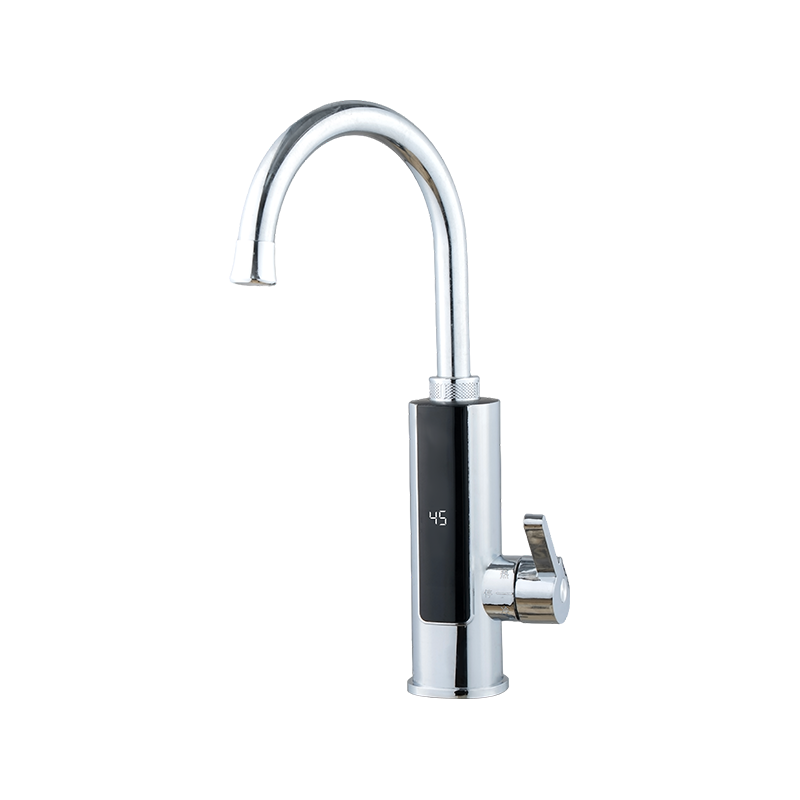
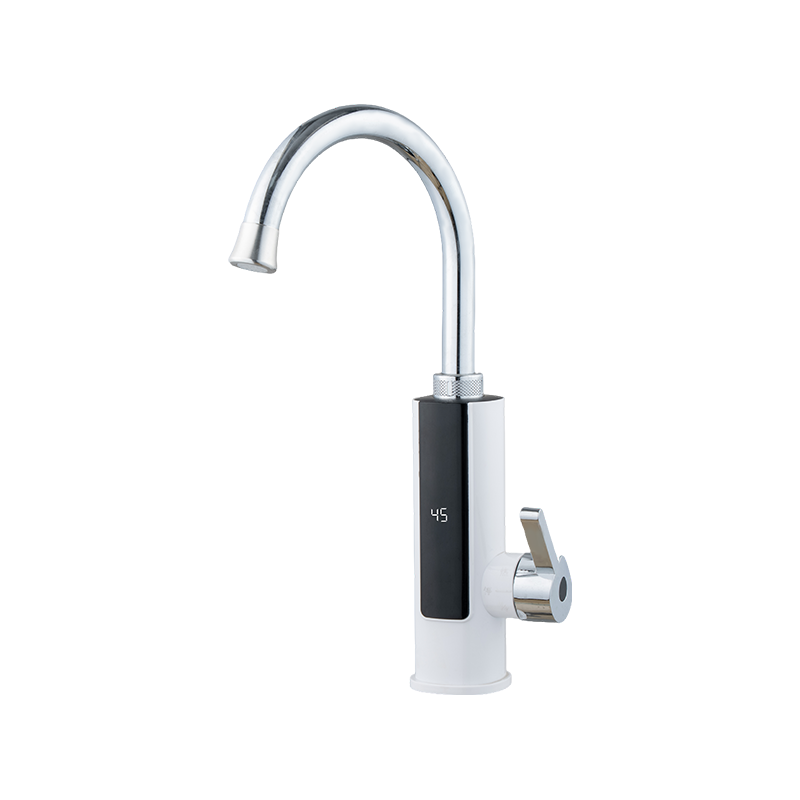
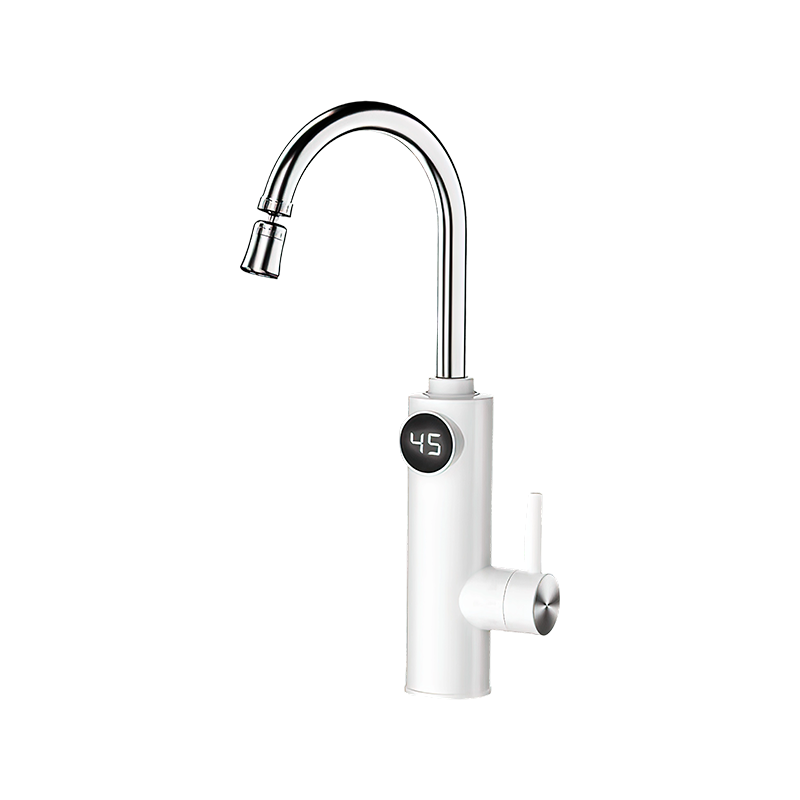
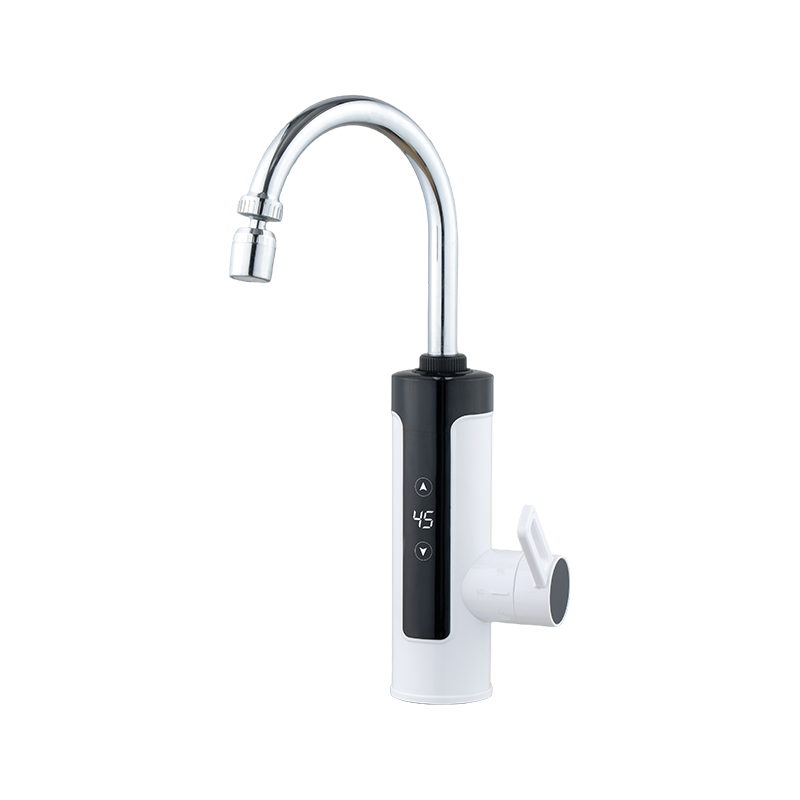



NINGBO MAITENG ELECTRIC APPLIANCE CO., LTD. integrates production and sales. The company adopts a dual model of self-management and distribution sales.
- CONTACT INFO
-
NO.8 Yaobei Avenue,Simen Town, Yuyao City, Ningbo City, Zhejiang, China
-
 +86-159 5821 2132
-
 +86-574-62178444
-
 +86-159 5821 2132
-
 [email protected]
[email protected]
-
- SCAN IT
-
Mobile terminal

