


 English
  Español
What Makes An Instant Electric Bathroom Faucet Worth Choosing?
Date:2026-07-21
Content
- 1 What Is An Instant Electric Bathroom Faucet And Why It Matters For Buyers
- 2 How Instant Heating Technology Works Inside The Faucet Body
- 3 Comparing Standby Heat Loss: Instant Faucet Versus Storage Tank
- 4 Heating Speed Curve: How Quickly Water Reaches Temperature
- 5 Built-In Safety Protections Buyers Should Verify
- 6 Safety Feature Coverage At A Glance
- 7 Space Efficiency Compared With Tank-Based Systems
- 8 Model Overview: GD-01-34, GD-02-34, And BGD-04X-34
- 9 What To Ask A Supplier Before Placing A Wholesale Order
- 10 Company Introduction
- 11 Frequently Asked Questions
What Is An Instant Electric Bathroom Faucet And Why It Matters For Buyers
An instant electric bathroom faucet is a self-contained heating tap that warms water as it passes through the unit, so hot water is available within seconds rather than after minutes of waiting for a tank to recover. Because there is no internal reservoir to keep hot around the clock, this type of faucet only consumes energy while water is actually flowing, which is the main reason it is often associated with lower standby energy loss than tank-style water heaters. For distributors and importers researching Wholesale Instant electric Bathroom faucet programs, this single mechanical difference explains most of the downstream advantages in installation cost, footprint, and daily energy behavior. This article walks through how the technology works, what to look for in construction quality, how models such as GD-01-34, GD-02-34, and BGD-04X-34 differ, and how to evaluate suppliers for bulk procurement. Every data point referenced below is described in general industry terms rather than as a guaranteed outcome, since real-world results depend on water pressure, ambient temperature, and installation conditions.
In short, the direct answer to "what makes an instant electric bathroom faucet worth considering" is this: it heats on demand, it takes up less physical space than a tank system, it typically includes multiple electronic safety cutoffs, and it is well suited to renovation projects where adding a large storage tank is impractical. The sections below expand on each of these points with structural detail, comparative data visualizations, and a specification overview of three representative models.
How Instant Heating Technology Works Inside The Faucet Body
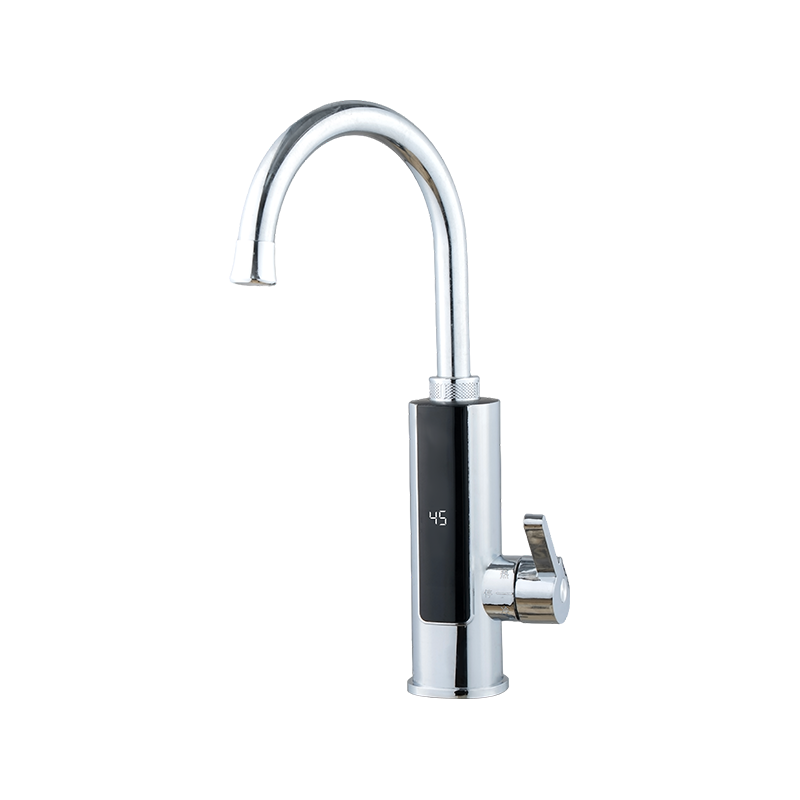
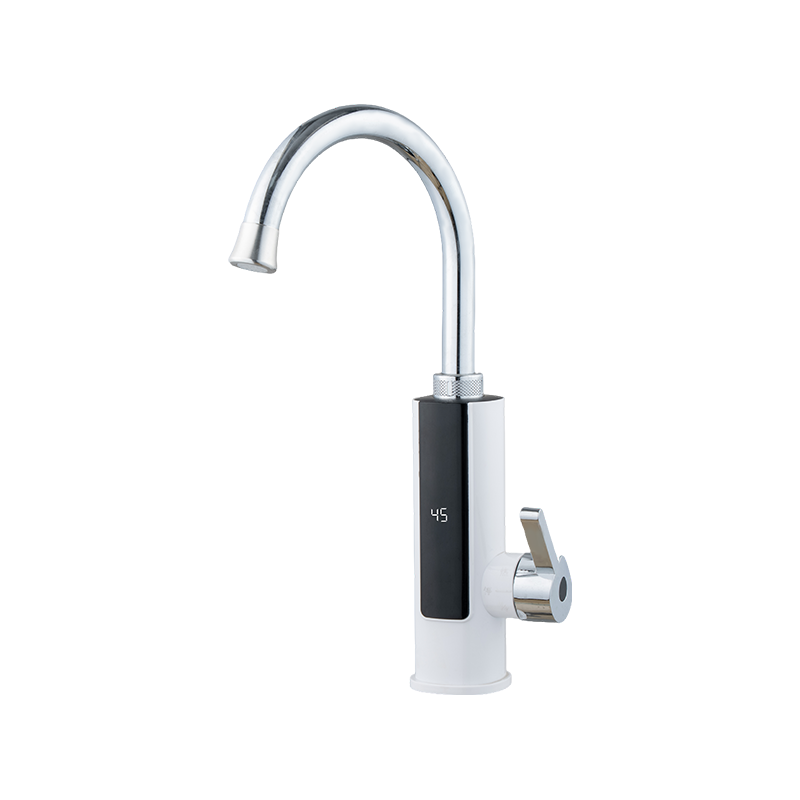
Inside an instant electric bathroom faucet, cold water enters a small heating chamber that surrounds a high-wattage heating element. As water contacts the element, a flow sensor detects movement and activates the heater almost immediately, which is why users typically describe the warm-up time as seconds rather than minutes. A digital display, common on models such as the GD-01-34 ABS LED display instant water heater tap, shows the current outlet temperature so the user can monitor conditions in real time instead of guessing by touch. This kind of visible feedback loop is increasingly requested by hospitality and residential renovation buyers who want a faucet that communicates its own operating state clearly.
- Cold water enters through the inlet valve and passes across the flow sensor.
- The sensor signals the control board, which energizes the heating element.
- Water is heated in a thin, fast-transfer chamber rather than a large stored volume.
- A hot and cold mixing dial, or a digital toggle on LED models, allows quick switching between temperatures.
- When the tap is closed, the heating circuit de-energizes automatically to avoid unnecessary standby consumption.
This on-demand cycle is the structural reason instant electric bathroom faucets are frequently discussed alongside energy-conscious renovation projects. According to general industry engineering literature on tankless water heating, on-demand systems avoid the standby heat loss that storage tanks experience because there is no insulated tank of water sitting at temperature between uses; the tradeoff is that the heating element must be sized for instantaneous rather than gradual heating.
Comparing Standby Heat Loss: Instant Faucet Versus Storage Tank
Before looking at the chart below, it helps to understand what "standby heat loss" actually measures and why it is one of the most commonly cited differences between instant electric bathroom faucets and traditional storage tank heaters. Standby heat loss refers to the energy that a storage tank keeps spending simply to hold already-heated water at temperature, even when nobody is using hot water at that moment. An instant electric bathroom faucet, by contrast, has no meaningful volume of hot water sitting idle, so this category of loss is structurally much smaller. The bar chart that follows illustrates this concept using a simplified, illustrative comparison rather than a claim tied to any single laboratory test. Keep in mind that actual figures vary by insulation quality, ambient temperature, and how often hot water is drawn throughout the day.
Reading this chart from top to bottom, the storage tank bar is drawn considerably longer than the instant faucet bar, which visually represents the idea that continuously heated storage systems tend to lose more energy while idle than on-demand units. This gap exists because a storage tank must reheat water repeatedly over hours, even during periods with no draw-off at all, while an instant electric bathroom faucet only draws power for the seconds or minutes that water is actually running. Industry discussions of tankless heating frequently cite a reduction on the order of two to four times less standby heat loss compared with tank systems, and while that figure should be treated as a general engineering rule of thumb rather than a guaranteed outcome for every household, it is directionally consistent with how the two technologies are built. For buyers comparing a Wholesale Instant electric Bathroom faucet program against tank-based alternatives, this standby loss difference is often the single largest driver of long-term operating differences. It also explains why instant faucets are popular in secondary bathrooms, guest suites, and small commercial washrooms where hot water is needed intermittently rather than continuously. Buyers evaluating renovation projects for rental units or multi-unit housing frequently weigh this factor heavily because occupancy patterns in those settings tend to be irregular. The takeaway is not that tank systems are without merit, since they can serve high, continuous demand well, but that instant units are structurally suited to intermittent use cases where a tank would otherwise sit hot and unused for long stretches. This is one of the clearest and most well documented mechanical advantages of the instant heating category as a whole.
Heating Speed Curve: How Quickly Water Reaches Temperature
One of the most practical questions buyers ask about an instant electric bathroom faucet is simply how long it takes for water to feel warm at the tap. Before viewing the area chart below, it is useful to understand that heating speed in this category is normally described as a curve rather than a single fixed number, because water pressure, incoming water temperature, and flow rate all influence how fast the target temperature is reached. The chart is an illustrative representation of a typical heating ramp, not a laboratory reading from a specific test bench. It is meant to show the general shape of the curve, meaning a fast initial rise followed by a plateau near the target temperature, rather than exact seconds for any single unit. With that framing in mind, the visualization below shows temperature rising along the vertical axis and elapsed time along the horizontal axis.
The curve rises steeply during the first several seconds, which reflects the near-instant activation of the heating element once flow is detected by the internal sensor. After this initial rise, the line begins to flatten, which represents the faucet settling into a steady output temperature as the control system stabilizes the heater to match the incoming flow rate. This flattening plateau is an important detail because it shows that the unit is not simply heating harder and harder without limit; instead, well designed electronic control keeps the outlet temperature within a target range once it is reached. Models with digital displays, such as the GD-01-34 series, make this plateau visible to the user in real time, since the display continuously reports the outlet temperature rather than requiring the user to judge by feel. For a bathroom faucet, this fast rise followed by a stable plateau is generally preferable to a slow, gradual ramp, because slow ramps typically indicate a storage-based system working through residual cold water rather than an on-demand heating chamber. Buyers sourcing an instant electric Bathroom faucet for renovation or hospitality projects often specifically request documentation of this ramp behavior, since guests and residents notice hesitation or inconsistency at the tap far more than they notice minor differences in the eventual peak temperature. It is worth repeating that the specific seconds shown on this chart are illustrative and will vary with installation conditions, incoming water pressure, and the electrical supply available at the property. Even so, the overall shape, meaning fast initial heating followed by a stable hold, is characteristic of the instant heating tap category broadly, which is one reason it remains a popular renovation and retrofit choice.
Built-In Safety Protections Buyers Should Verify
Because an instant electric bathroom faucet combines electricity and running water in one fixture, buyers evaluating a supplier should pay close attention to the electronic and mechanical safeguards built into the unit. A well constructed instant heating faucet, including models like the BGD-04X-34 stainless steel anti-corrosion water tap with heater, typically includes several layered protections rather than a single fail-safe. These layers matter because they address different failure scenarios, from a dry heating element to an unexpected electrical fault.
| Protection Type | What It Addresses |
|---|---|
| Leakage protection | Cuts power if abnormal current leakage is detected |
| IPX4 waterproof rating | Guards internal electronics against splashing water |
| Dry heating protection | Stops the heater if no water is present in the chamber |
| Water-flow isolation | Keeps electrical components separated from the water path |
| Auto power-off when inactive | Reduces standby draw and wear when the tap is not in use |
| Over-temperature automatic shutoff | Interrupts heating if outlet temperature exceeds a safe threshold |
Beyond the electronic layer, physical build quality also matters for long-term reliability. Impact-resistant housings help the faucet resist everyday wear from cleaning tools, accidental knocks, or general bathroom traffic, and corrosion-resistant finishes such as stainless steel help the unit withstand humid bathroom environments over years of use. When evaluating a Wholesale Instant electric Bathroom faucet supplier, it is reasonable to ask for documentation of these protections and for any relevant certification records, since consistent quality control across a production run is what ultimately protects both the installer and the end user.
Safety Feature Coverage At A Glance
The gauge chart below is meant to summarize, in a simple visual form, how thoroughly a typical instant electric bathroom faucet in this product family addresses the major categories of operating risk described in the previous section. Before looking at the needle position, it helps to understand that this gauge is not a certification score or a numeric guarantee, but a simplified way to represent how many of the common protection categories, such as leakage detection, dry heating protection, and over-temperature shutoff, are present together in one unit. A faucet that only includes one or two of these protections would sit toward the lower end of the dial, while a unit that layers several protections together sits toward the higher end. This kind of visual is commonly used in product literature to give buyers a fast, at-a-glance sense of relative completeness without requiring them to read a full specification sheet first.
The needle in this illustration is positioned well into the upper portion of the arc, which is meant to convey that this faucet family combines several protection categories rather than relying on just one mechanism. This layered approach matters because different failures happen for different reasons: a leakage current fault is an electrical issue, a dry heating event happens when someone opens the tap before water pressure is fully established, and an over-temperature condition can occur if the flow rate suddenly drops while the heater is still active. A single safeguard cannot reasonably address all three situations, so a design that stacks multiple, independent protections tends to be viewed more favorably by installers and by buyers responsible for after-sales support. For distributors sourcing a Wholesale Instant electric Bathroom faucet line, this kind of layered safety architecture is also easier to explain to end customers and retailers, since it can be described in plain terms rather than as a single opaque safety rating. It is worth noting again that this gauge is illustrative and intended for general educational purposes rather than as a certified test result, and buyers should always request the specific compliance documentation relevant to their target market before finalizing an order. Even with that caveat, the overall message of the gauge, namely that broader protection coverage is generally more reassuring than narrow coverage, is a reasonable and widely accepted way to think about faucet safety design. This is particularly relevant for bathroom fixtures, where the faucet sits in a wet environment for its entire service life.
Space Efficiency Compared With Tank-Based Systems
Before examining the donut chart below, it is worth explaining why physical footprint is such a frequently cited advantage of instant electric bathroom faucets in renovation contexts. A storage tank water heater requires a dedicated cylindrical tank, typically installed in a utility closet, under a cabinet, or in a separate mechanical room, along with clearance for insulation and plumbing connections. An instant electric bathroom faucet, by contrast, integrates the heating chamber directly into the faucet body itself, which is roughly the same size as a standard bathroom tap. The donut chart below is an illustrative representation of how much of a typical small bathroom's under-sink or utility space would be occupied by each system category, expressed as a simple proportional split rather than a measured survey result.
The larger orange segment of the donut represents the relative space typically claimed by a storage tank installation, while the smaller pale segment represents the comparatively minimal footprint of an instant electric bathroom faucet, since the heating chamber lives inside the faucet body rather than in a separate tank. This distinction is particularly relevant in older buildings, apartments, and secondary bathrooms where there may be no existing space allocated for a tank at all, making retrofit installation of a traditional heater difficult or costly. Because an instant faucet only requires a standard water supply line and a nearby electrical connection, installation can often be completed without major structural changes to the bathroom, which is one reason renovation contractors frequently recommend this category for guest bathrooms, small apartments, and secondary units. For buyers sourcing a Wholesale Instant electric Bathroom faucet line intended for the renovation and remodeling market, this space efficiency argument is often as persuasive to end customers as the energy behavior discussed earlier, since many urban dwellings simply lack the physical room for a full tank system. It is also worth noting that reduced footprint does not mean reduced durability, since models built with stainless steel bodies, such as the BGD-04X-34 series, are designed to hold up over years of daily use despite their compact size. In practice, this combination of a small footprint with layered safety protection is what allows instant electric faucets to be positioned as a practical retrofit solution rather than only a new-construction product. The proportional relationship shown in the donut chart is intended purely as an illustrative aid to this concept, not as a precise architectural measurement.
Model Overview: GD-01-34, GD-02-34, And BGD-04X-34
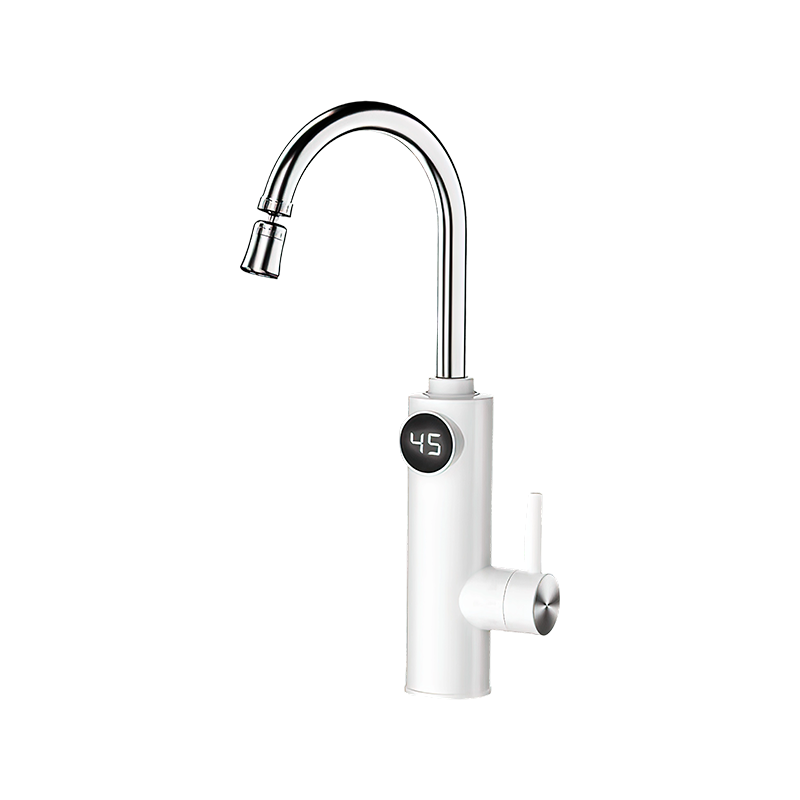
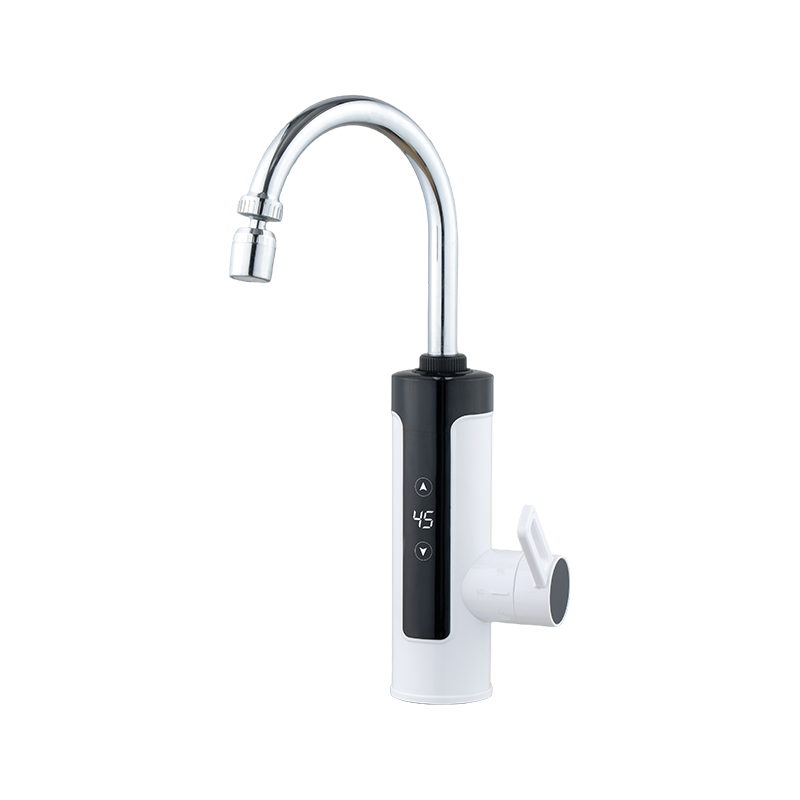
Buyers researching a Wholesale Instant electric Bathroom faucet program often need a quick side-by-side reference before requesting full specification sheets from a supplier. The table below summarizes the general positioning of three representative models in this product family: the GD-01-34 ABS LED display instant water heater tap, the GD-02-34 ABS instant heating water tap with heater, and the BGD-04X-34 stainless steel anti-corrosion water tap with heater. Each model targets a slightly different combination of finish material, display feature, and corrosion resistance, which allows distributors to offer a tiered lineup rather than a single option.
| Model | Body Material | Display | Typical Use Case |
|---|---|---|---|
| GD-01-34 | ABS | LED digital temperature display | Renovation projects wanting visible temperature feedback |
| GD-02-34 | ABS | Standard indicator | Cost-conscious retrofit projects |
| BGD-04X-34 | Anti-corrosion stainless steel | Standard indicator | Humid environments needing added corrosion resistance |
The ABS-bodied GD series is generally positioned as a lightweight, cost-efficient option for standard residential bathrooms, with the GD-01-34 adding a digital LED display so users can monitor outlet temperature directly on the faucet body. The GD-02-34 offers a similar heating mechanism without the LED display, which can be a useful mid-tier option for buyers who want the core instant heating benefits without the added display component. The BGD-04X-34, built with anti-corrosion stainless steel, is generally aimed at buyers who prioritize long-term resistance to humidity and mineral buildup, which can be relevant in regions with harder water or higher ambient humidity. Below is a simple isometric illustration showing the general internal layout of an instant electric bathroom faucet, labeling the main functional zones described earlier in this article.
What To Ask A Supplier Before Placing A Wholesale Order
For distributors and importers evaluating a Wholesale Instant electric Bathroom faucet supplier, a short but focused due-diligence checklist can prevent costly mismatches later in the relationship. First, confirm which electrical voltage and plug configuration variants the supplier can produce, since bathroom faucet heaters must match the destination market's electrical standard. Second, request documentation for the safety protections discussed earlier in this article, including leakage protection, IPX4 waterproof rating, and over-temperature shutoff, along with any relevant compliance certificates. Third, ask about minimum order quantities, packaging options, and whether OEM or private-label packaging is available, since many importers want their own branding on the retail box even when the internal hardware is shared across models. Fourth, request sample units for independent testing before committing to a full production run, since sample verification remains one of the most reliable ways to confirm consistency between what was quoted and what will actually be delivered.
- Confirm electrical compatibility for the destination market.
- Request documented safety protection features and certificates.
- Clarify minimum order quantity and private-label packaging options.
- Order samples for independent verification before bulk purchase.
- Ask about lead times and after-sales support arrangements.
Company Introduction
Established in 2011, Ningbo Maiteng Electric Appliance Co., Ltd. has been dedicated to the electric water heating faucet category for over a decade, operating under ISO9001 and CE certification standards. The company spans a 10,000 square meter facility with roughly 200 employees and an annual output in the range of 2 million units, covering sales, e-commerce, production, after-sales, warehousing, and quality inspection under one operation. In 2023, the company expanded its operations by establishing a dedicated foreign trade department to serve a broader international market, including Wholesale Instant electric Bathroom faucet programs for overseas distributors.
The company's product philosophy is built on quality-first manufacturing, continuous investment in production technology, and a focus on customer satisfaction. Its guiding principle, expressed internally as "fast and hot life starts with me," reflects a commitment to developing reliable, easy-to-use instant heating products across residential and light commercial categories. The company welcomes factory visits from prospective partners and remains open to future cooperation with distributors and importers seeking a stable, quality-focused manufacturing partner for instant electric bathroom faucets.
Frequently Asked Questions
| Q1: How fast does an instant electric bathroom faucet produce hot water? |
| Because heating happens as water flows through the unit, warm water is generally available within seconds of opening the tap, rather than after a storage tank recovers. |
| Q2: Does the LED display on the GD-01-34 require special maintenance? |
| The digital display is designed for standard bathroom conditions and does not require special maintenance beyond routine cleaning with a soft, damp cloth. |
| Q3: Is the stainless steel BGD-04X-34 suitable for humid climates? |
| Yes, the anti-corrosion stainless steel body is intended for use in humid or mineral-heavy water environments where added corrosion resistance is valuable. |
| Q4: What safety features should buyers look for before ordering wholesale? |
| Buyers should confirm leakage protection, IPX4 waterproof rating, dry heating protection, and over-temperature automatic shutoff before finalizing a wholesale order. |
| Q5: Can these faucets replace a traditional storage tank water heater? |
| For a single bathroom tap with intermittent hot water needs, an instant electric faucet is a common practical alternative to installing a dedicated storage tank. |



NINGBO MAITENG ELECTRIC APPLIANCE CO., LTD. integrates production and sales. The company adopts a dual model of self-management and distribution sales.
- CONTACT INFO
-
NO.8 Yaobei Avenue,Simen Town, Yuyao City, Ningbo City, Zhejiang, China
-
 +86-159 5821 2132
-
 +86-574-62178444
-
 +86-159 5821 2132
-
 [email protected]
[email protected]
-
- SCAN IT
-
Mobile terminal

