


 English
  Español
Instant Electric Water Heater: Constant Hot Water Without A Storage Tank
Date:2026-07-21
Content
- 1 Constant Hot Water Without A Storage Tank
- 2 Why Skipping The Storage Tank Changes Energy Behavior
- 3 Matching Flow Rate To Temperature: A Closer Look At The Relationship
- 4 Where Demand Concentrates: A Heatmap Across Common Settings
- 5 Seven Protection Layers Built Into The Unit
- 6 Inside The Unit: A Simplified Structural View
- 7 Company Introduction
- 8 Frequently Asked Questions
Constant Hot Water Without A Storage Tank
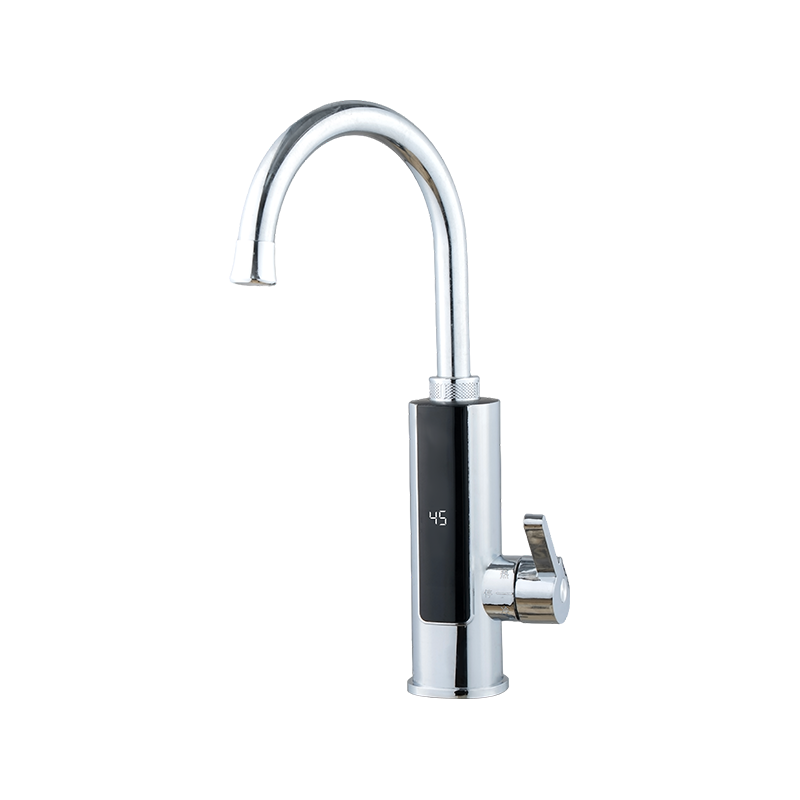
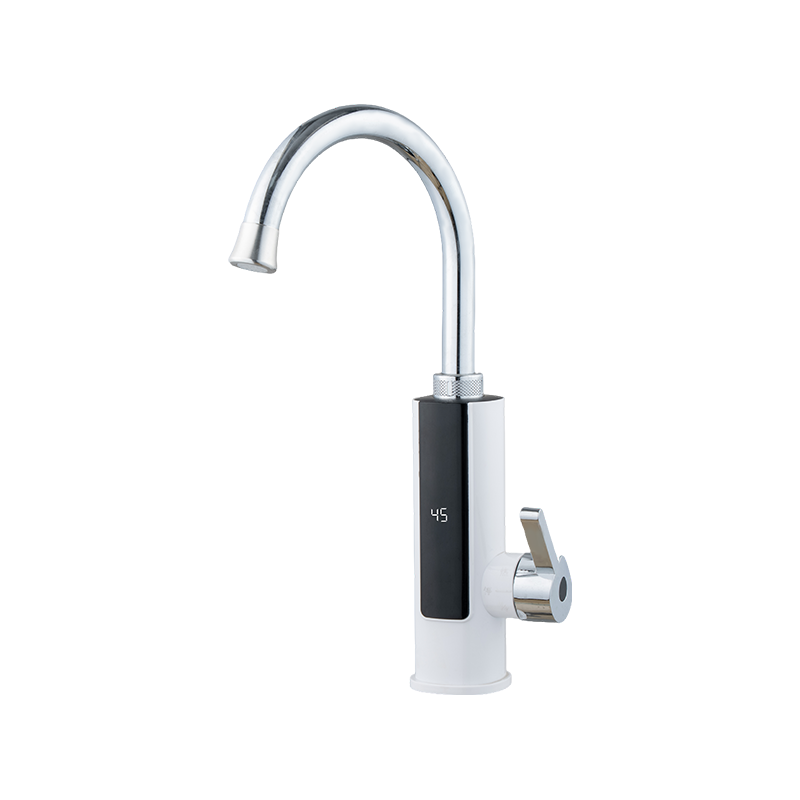
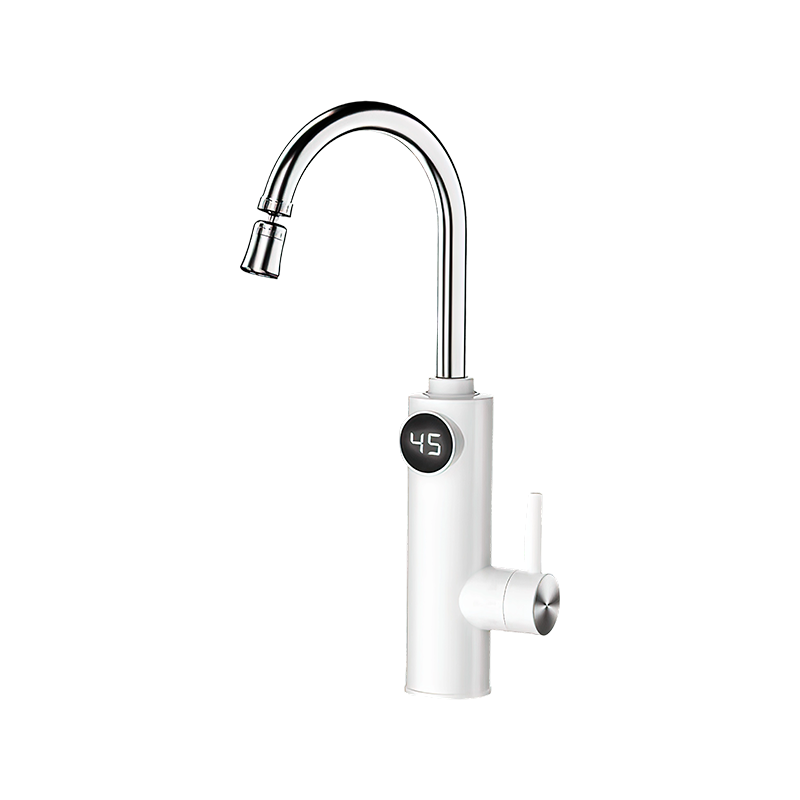
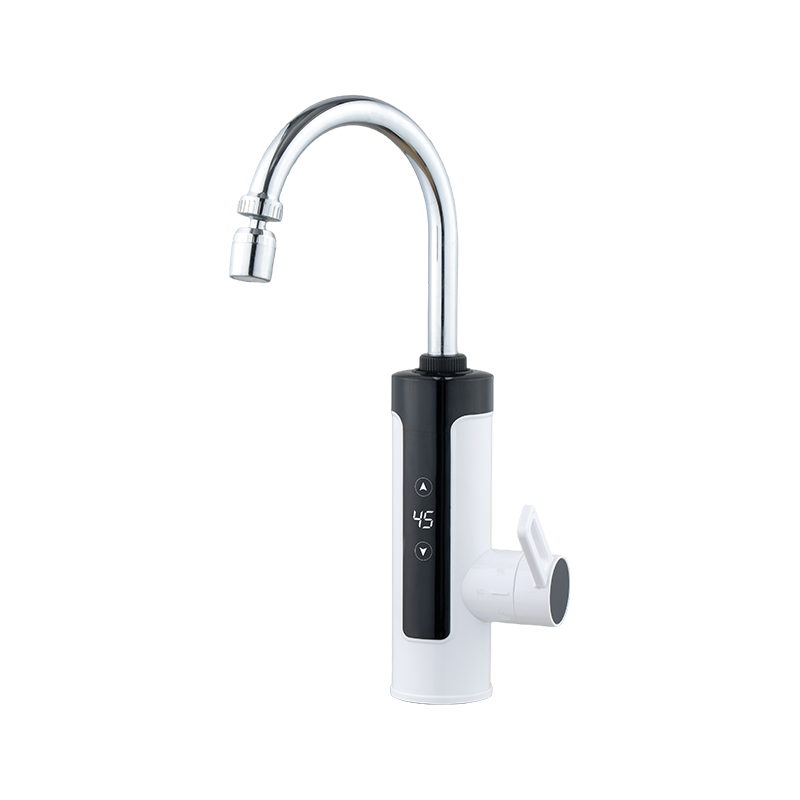
The direct answer is straightforward: an Instant Electric water heater uses a stainless steel heating core to warm water the moment it flows through the unit, which means there is no tank to fill in advance and no waiting period before hot water becomes available. Because the unit never stores a standing volume of heated water, it avoids the two problems most closely associated with tank-based systems, namely standby energy loss and gradual sediment or scale buildup inside the tank itself. This basic mechanical difference is the reason the category is frequently chosen for kitchens, recreational vehicles, bars, schools, hospitals, community facilities, and hair salons, where hot water is often needed quickly and intermittently rather than continuously. The remainder of this article looks at the build materials, the flow-based temperature adjustment system, the specific safety protections included, and where this type of unit tends to perform best in daily use.
| Characteristic | Description |
|---|---|
| Heating method | On-demand, stainless steel heating core |
| Housing material | High-quality ABS, injection molded |
| Temperature range | Approximately 30 to 55 degrees Celsius via flow adjustment |
| Display | Digital screen with on and off control |
Why Skipping The Storage Tank Changes Energy Behavior
Before viewing the donut chart below, it helps to understand the specific energy concept it illustrates, which is the share of total energy use that goes toward keeping already-heated water at temperature versus the share that goes toward heating water only when it is actually being used. A storage tank system spends a meaningful portion of its total energy simply maintaining standing water at temperature between uses, a category generally referred to as standby loss. An Instant Electric water heater largely removes this category because there is no standing volume of hot water to maintain. The chart below is an illustrative proportional split intended to convey this concept clearly rather than a precise measured energy audit.
The larger orange segment in this donut chart represents energy spent actively heating water while it is flowing and actually being used, which is the category an instant electric water heater is specifically designed around. The smaller pale segment represents the standby loss category that tank systems typically incur but that an on-demand unit largely avoids, since there is no reservoir of hot water sitting idle between uses. This distinction is one of the most frequently cited engineering arguments in favor of tankless heating technology, and it is consistent with general discussions in tankless water heater literature describing reduced standby loss compared with storage-based alternatives. For a facility with intermittent hot water demand, such as a hair salon between client appointments or a community center used only certain hours of the day, this composition matters more than it would for a facility with constant, all-day demand, since standby loss accumulates specifically during the idle periods when nobody is drawing hot water. It is also worth noting that the stainless steel heating core in this unit is built for durability under repeated on-demand cycling, since an instant heating design activates and deactivates far more frequently than a tank heater that runs on a slower, more continuous cycle. This means the core needs to withstand frequent thermal cycling rather than sustained constant operation, which is part of why material quality and injection molded housing durability are emphasized in this product line. As with the earlier flow-temperature relationship, the exact proportional split shown here will vary by installation, water usage pattern, and climate, and this chart should be read as an illustrative concept rather than a site-specific energy audit. The overall principle it conveys, namely that removing the storage tank removes most of the standby loss category, remains a well established and widely cited characteristic of the instant heating approach as a whole.
Matching Flow Rate To Temperature: A Closer Look At The Relationship
Before viewing the scatter plot below, it is useful to restate how temperature control works on this unit, since it is based on flow rate rather than a separate thermostat dial. As water flow increases, the fixed heating power of the core is spread across a larger volume of water per second, which generally produces a lower outlet temperature; as flow decreases, that same heating power is concentrated into a smaller volume, generally producing a higher outlet temperature. The scatter plot below plots a series of illustrative flow and temperature pairings to show the general shape of this relationship rather than exact laboratory measurements from a specific test.
Each point in this scatter plot represents a hypothetical flow-and-temperature pairing, and taken together the points trend downward from left to right, which visually confirms the inverse relationship between flow rate and outlet temperature described earlier. This downward pattern is the practical basis for the roughly 30 to 55 degree Celsius adjustable range associated with this instant electric water heater, and it means the same fixed-power heating core can serve a fairly wide comfort range without needing separate high and low power settings. For everyday use, this translates into simple, intuitive operation: a user who wants warmer water for handwashing on a cold morning can reduce flow slightly, while a user rinsing dishes who prefers a larger, more moderate-temperature stream can open the tap further. The digital display on the unit lets users confirm the resulting temperature in real time rather than relying purely on feel, which is particularly useful in facilities like schools or hospitals where consistent, predictable water temperature matters for hygiene and comfort. It is worth noting that the points on this scatter plot are illustrative rather than measured, since actual outlet temperature at any given flow setting will vary with incoming water temperature, water pressure, and the electrical supply available at the installation site. Even accounting for that variability, the general downward trend shown here is a well understood characteristic of fixed-power, flow-adjusted heating elements, and it is the same underlying principle referenced in general engineering discussions of instant and tankless water heating technology. Buyers evaluating this unit for multi-user facilities may find it useful to communicate this simple flow-to-temperature relationship to end users directly, since it reduces the need for training on a more complex thermostat-based interface.
Where Demand Concentrates: A Heatmap Across Common Settings
Before looking at the heatmap below, it is worth explaining why a matrix-style visual is useful here rather than a simple bar chart. This unit is marketed across a wide range of settings, including kitchens, recreational vehicles, bars, schools, hospitals, community facilities, and hair salons, and each setting tends to emphasize a different combination of washing tasks, namely dishes, hands, and faces. A heatmap allows all of these settings and tasks to be compared at once, using color intensity to represent relative emphasis rather than requiring a separate chart for each setting. The heatmap below is an illustrative representation of this general pattern rather than a measured usage study.
In this heatmap, darker orange cells represent higher relative emphasis on that use case within a given setting, while lighter cells represent lower relative emphasis, allowing several settings and tasks to be compared at a glance without needing six separate charts. The kitchen row shows its darkest cell under dishes, which reflects the central role of dishwashing in both residential and commercial kitchen environments. The school, hospital, and salon rows each show their darkest cell under hands, which lines up with the frequent hand hygiene routines expected in educational, medical, and personal care settings throughout the day. The RV row shows relatively even, moderate emphasis across dishes and hands, reflecting the compact, multi-purpose nature of water use in a recreational vehicle where a single tap often serves several different daily tasks. The bar row leans more heavily toward hand washing as well, consistent with the frequent glass and hand rinsing common in hospitality service environments. This kind of varied demand pattern across settings is one of the reasons a flow-adjustable, on-demand instant electric water heater is positioned as broadly applicable rather than tailored to a single use case, since the same flow-to-temperature mechanism can comfortably support dish washing, hand washing, or face washing without requiring separate equipment for each task. Facilities that combine multiple use cases in one location, such as a hospital with both food service areas and patient care hand-washing stations, may find particular value in a single, flexible unit rather than several task-specific installations. As with the other visuals in this article, the specific color intensities are illustrative rather than measured data, and actual demand patterns will differ by facility and by season.
Seven Protection Layers Built Into The Unit
Because this Instant Electric water heater is intended for frequent use in wet, high-traffic environments, its protection architecture combines several distinct safeguards rather than relying on one. The list below summarizes each protection and the specific failure mode it is designed to address.
- Leakage protection cuts power when abnormal current leakage is detected.
- Dry-heating protection stops the core if no water is present in the chamber.
- Anti-electric wall technology reduces the risk of stray current reaching the water stream.
- Water-electricity isolation keeps electrical components physically separated from the water path.
- Sensor fault protection shuts the unit down if a sensor reading becomes unreliable.
- Grounding protection provides a safe discharge path in the event of an electrical fault.
- An IPX4 waterproof rating guards internal electronics against splashing water.
Each of these protections responds to a different underlying failure mode, which is why layered coverage is generally considered more reassuring than relying on a single mechanism, particularly for shared-use installations such as schools, hospitals, and community facilities where many different users interact with the same unit throughout the day.
Inside The Unit: A Simplified Structural View
The diagram below is a simplified isometric illustration of the general internal layout of this instant electric water heater, labeling the heating core, digital display, and control area referenced throughout this article.
Company Introduction
Established in 2011, Ningbo Maiteng Electric Appliance Co., Ltd. has been dedicated to the electric water heating faucet category for over a decade, operating under ISO9001 and CE certification standards. The company spans a 10,000 square meter facility with roughly 200 employees and an annual output in the range of 2 million units, covering sales, e-commerce, production, after-sales, warehousing, and quality inspection under one operation. In 2023, the company expanded its operations by establishing a dedicated foreign trade department to serve a broader international market for its Instant Electric water heater product lines.
The company's product philosophy centers on quality-first manufacturing, ongoing investment in production technology, and consistent attention to customer satisfaction. Its guiding principle, expressed internally as "fast and hot life starts with me," reflects an ongoing commitment to developing reliable instant heating products suitable for residential, light commercial, and institutional settings alike. The company welcomes factory visits from prospective partners and remains open to future cooperation with distributors and importers seeking a stable, quality-focused manufacturing partner.
Frequently Asked Questions
| Q1: What makes this different from a tank water heater? |
| It heats water only when flowing through the stainless steel core, so there is no tank of stored water and generally less standby energy loss. |
| Q2: How do I adjust the water temperature? |
| Temperature is controlled by flow rate, generally within a 30 to 55 degree Celsius range, with lower flow producing warmer water. |
| Q3: What environments is this unit suitable for? |
| It is commonly used in kitchens, RVs, bars, schools, hospitals, community facilities, and hair salons for washing hands, dishes, and faces. |
| Q4: What safety features are built into the unit? |
| It includes leakage protection, dry-heating protection, anti-electric wall technology, water-electricity isolation, sensor fault protection, grounding protection, and IPX4 waterproofing. |
| Q5: Does skipping the tank reduce maintenance concerns? |
| Yes, without a storage tank, there is generally less sediment and scale buildup compared with traditional tank-based water heaters. |



NINGBO MAITENG ELECTRIC APPLIANCE CO., LTD. integrates production and sales. The company adopts a dual model of self-management and distribution sales.
- CONTACT INFO
-
NO.8 Yaobei Avenue,Simen Town, Yuyao City, Ningbo City, Zhejiang, China
-
 +86-159 5821 2132
-
 +86-574-62178444
-
 +86-159 5821 2132
-
 [email protected]
[email protected]
-
- SCAN IT
-
Mobile terminal

