


 English
  Español
Are instantaneous electric hot water systems any good?
Date:2026-07-14
Content
- 1 How an Instant Electric Hot Water Faucet Works
- 2 Core Safety Features to Check Before Buying
- 3 Market Growth for Instant Electric Heating Water Faucets
- 4 Reported Energy Efficiency Gains
- 5 Growth Rate Across Related Water Heating Categories
- 6 Comparing Product Models by Feature Strength
- 7 Structural Overview of an Instant Electric Hot Water Faucet
- 8 Product Reference: Instant Electric Hot Water Faucet Models
- 9 Choosing the Right Instant Electric Hot Water Faucet
- 10 About NINGBO MAITENG ELECTRIC APPLIANCE CO., LTD.
- 11 Frequently Asked Questions
An instant electric hot water faucet can be a practical choice for kitchens and small bathrooms because it heats water only at the moment of use, which avoids the standby heat loss associated with storage-tank water heaters. According to U.S. Department of Energy research cited in industry reporting, tankless or instant electric heating systems can be roughly 24 percent to 34 percent more energy-efficient in homes using 41 gallons or less of hot water per day, and still deliver a meaningful efficiency gain in higher-use households. This article looks at how an instant electric hot water faucet works, what safety features matter, how the category has been growing, and how to compare different models such as anti-dry-burning, constant-temperature, energy-saving, and LED display designs.
The comparisons below reference a set of instant electric kitchen faucet models, including a digital display anti-dry-burning design, a constant-temperature direct tap design, an energy-saving design, and an LED display design, each of which targets slightly different priorities within the same core product category.
How an Instant Electric Hot Water Faucet Works
An instant electric hot water faucet integrates a compact electric heating element directly into the faucet body, so cold water is warmed as it passes through rather than being stored in a separate tank. A flow sensor detects when the tap is opened and activates the heating element, which brings the water to the set temperature within seconds rather than requiring users to wait for a kettle or a stovetop pot. Because heating only occurs during active use, this design avoids the continuous reheating cycle that storage-tank systems rely on to keep a large volume of water hot around the clock. Many models also include a 360-degree swivel spout, which allows the water flow to be directed precisely for tasks such as washing dishes or filling pots without repositioning the faucet body. This combination of on-demand heating and flexible water direction is a core reason an instant electric hot water faucet is often chosen for compact kitchens where a separate water heater installation is not practical.
Typical Construction Materials
The exterior body of an instant electric hot water faucet is commonly made from stainless steel, which offers corrosion resistance and a durable finish suitable for repeated daily contact with water. Stainless steel construction also supports a sleek, modern appearance that fits easily into most kitchen and bathroom layouts without requiring a specific design theme.
Core Safety Features to Check Before Buying
Because an instant electric hot water faucet combines electrical components with a continuous water supply, safety protection mechanisms are one of the most important factors to evaluate. Anti-dry-burning protection is designed to stop the heating element from operating when there is no water flow, which helps prevent damage to the unit if the water supply is interrupted. Overheating protection monitors internal temperature and cuts power if it rises beyond a safe threshold, reducing the risk of component failure. Leakage protection is intended to detect abnormal current flow and disconnect power automatically, which is a key safeguard for any electrical fixture used near water. Hydro power separation keeps the electrical components physically isolated from the water pathway, which is a standard design approach for point-of-use electric water heating fixtures.
| Safety Feature | Primary Function |
|---|---|
| Anti-dry-burning protection | Stops heating when no water is flowing |
| Overheating protection | Cuts power if internal temperature rises too high |
| Leakage protection | Disconnects power on abnormal current detection |
| Hydro power separation | Physically isolates electrical parts from water flow |
Market Growth for Instant Electric Heating Water Faucets
According to a market research report by Dataintelo, the global instant electric heating water faucet market was valued at approximately USD 3.4 billion in 2023 and is projected to reach roughly USD 6.9 billion by 2032, reflecting a compound annual growth rate of about 8.0 percent. This growth trajectory reflects rising interest in space-saving, on-demand hot water solutions for kitchens where installing a full-sized water heater is not always practical.
This line chart shows a fairly steady upward slope across the nine-year period, which suggests the growth in this category has been gradual rather than driven by a single short-term event. The gap between each two-year interval widens slightly toward the later years, consistent with compound growth accelerating in absolute dollar terms even at a constant percentage rate. For a household or business evaluating an instant electric hot water faucet, this pattern indicates the category is an established and expanding segment rather than a niche or declining product type. The consistent upward direction also suggests continued manufacturer investment in features such as digital displays, anti-dry-burning protection, and constant-temperature control, since sustained market growth typically supports continued product development. Readers comparing an instant electric kitchen faucet against other water heating options can treat this steady growth as context indicating the category has broad and durable demand.
Reported Energy Efficiency Gains
Research from the U.S. Department of Energy, as summarized in industry efficiency reporting, indicates that on-demand electric heating systems can reduce standby energy waste compared with storage-tank systems. The chart below presents three reported efficiency comparisons relevant to an energy saving electric hot water faucet.
The longest bar represents households using 41 gallons or less of hot water per day, where on-demand electric heating can be 24 percent to 34 percent more efficient than a conventional storage tank, according to the cited Department of Energy research. The middle bar shows a smaller but still meaningful gain of 8 percent to 14 percent for higher-use households using around 86 gallons daily, indicating efficiency benefits scale with usage pattern rather than being fixed. The bottom bar reflects that ENERGY STAR certified on-demand models can use up to approximately 30 percent less energy than a standard storage model. Together these figures show that efficiency gains from an instant electric hot water faucet are strongest in lower-usage settings such as a single kitchen tap, which matches how these fixtures are typically installed as a point-of-use solution rather than a whole-home system. This context is useful when comparing an energy saving electric hot water faucet against a traditional under-sink or centralized water heater.
Growth Rate Across Related Water Heating Categories
To place the instant electric hot water faucet segment in context, the chart below compares its reported compound annual growth rate against two related categories, drawing on figures from Dataintelo, Credence Research, and Straits Research.
The rightmost bar, covering the broader instant water heater category across all fuel types, shows the highest reported growth rate at approximately 10.4 percent, reflecting rising adoption of on-demand heating across residential and commercial applications generally. The instant electric heating water faucet segment specifically shows a growth rate of approximately 8.0 percent, sitting between the two related categories, which suggests faucet-integrated designs are growing at a healthy pace within the broader on-demand heating trend. The middle bar, covering the wider instant electric water heater market including under-sink and point-of-use units, shows a slightly lower rate of about 6.9 percent. None of these three growth rates are dramatically different from one another, which indicates that on-demand electric water heating as a whole is expanding at a broadly consistent pace across product formats. For a buyer comparing an instant electric hot water faucet against a separate under-sink unit, this comparison suggests both formats are part of the same durable growth trend rather than one being a temporary alternative to the other.
Comparing Product Models by Feature Strength
The radar chart below offers an illustrative comparison of four instant electric hot water faucet models based on their described design characteristics: an anti-dry-burning digital tap design, a constant-temperature direct tap design, an energy-saving design, and an LED display design. These ratings reflect the emphasis of each model's stated features rather than an external test result.
The orange shape representing the anti-dry-burning digital tap model extends furthest along the safety protection axis, consistent with its emphasis on preventing the heating element from running without water flow. The red shape for the constant-temperature model reaches furthest along the temperature stability axis, reflecting its design focus on maintaining a steady output temperature during use. The amber shape for the energy-saving model extends furthest along the energy efficiency axis, matching its positioning as a lower-consumption option within the lineup. The brown shape for the LED display model reaches furthest along the display convenience axis, since its defining feature is a clear on-screen temperature readout. Across all four models, installation ease and baseline safety protection remain relatively close together, which suggests these fixtures share a common underlying platform even as individual models are tuned toward a specific priority such as temperature control, energy use, or display visibility.
Structural Overview of an Instant Electric Hot Water Faucet
The isometric illustration below outlines the main structural components common to most instant electric kitchen faucet designs.
Component one, the swivel spout, directs water flow and typically rotates through a wide range of motion so users can position it precisely over a sink basin. Component two, the digital display, shows the current output temperature on models that include this feature, allowing users to monitor heating without guesswork. Component three, the heating body, houses the electric heating element along with the safety mechanisms described earlier, including anti-dry-burning and overheating protection circuitry. Component four, the mounting base, secures the entire fixture to the sink or countertop and routes the water and electrical connections beneath the surface. Understanding these four components helps buyers evaluate build quality when comparing an instant electric hot water faucet against alternative point-of-use heating solutions, since the heating body and its internal protections are the most safety-critical section of the assembly.
Product Reference: Instant Electric Hot Water Faucet Models
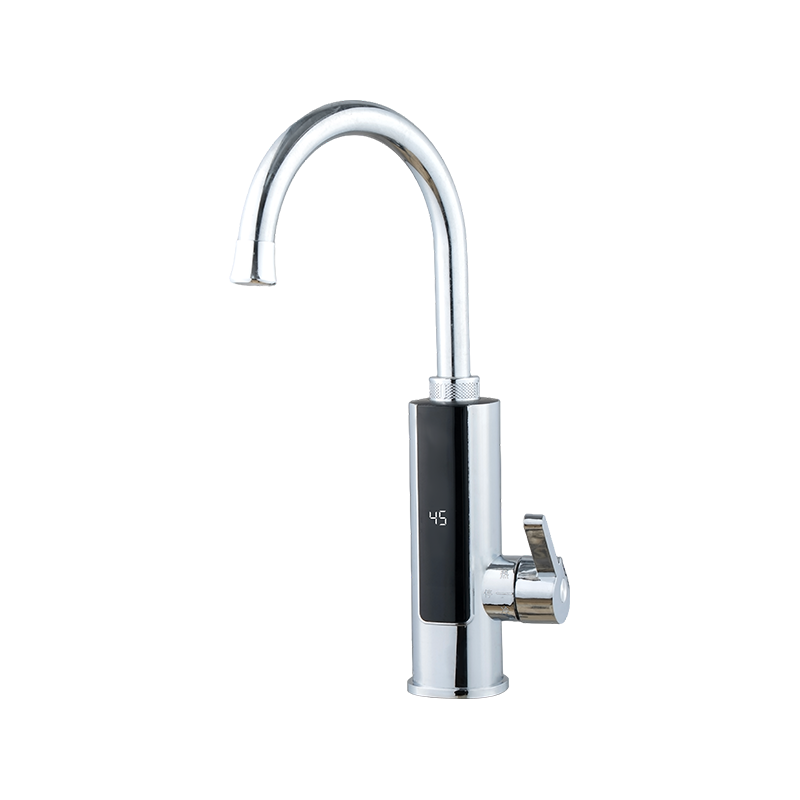
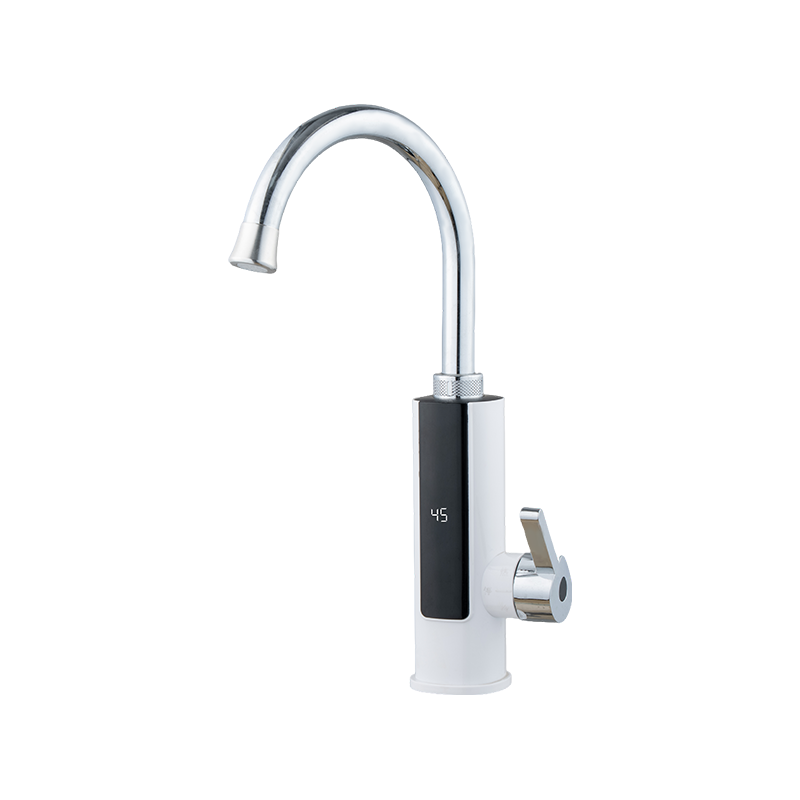
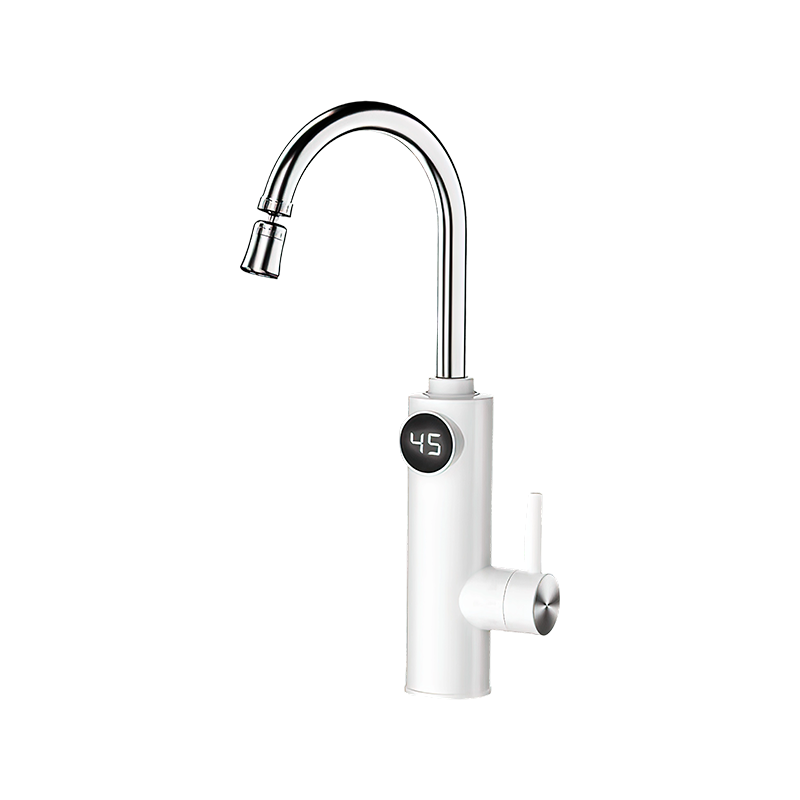
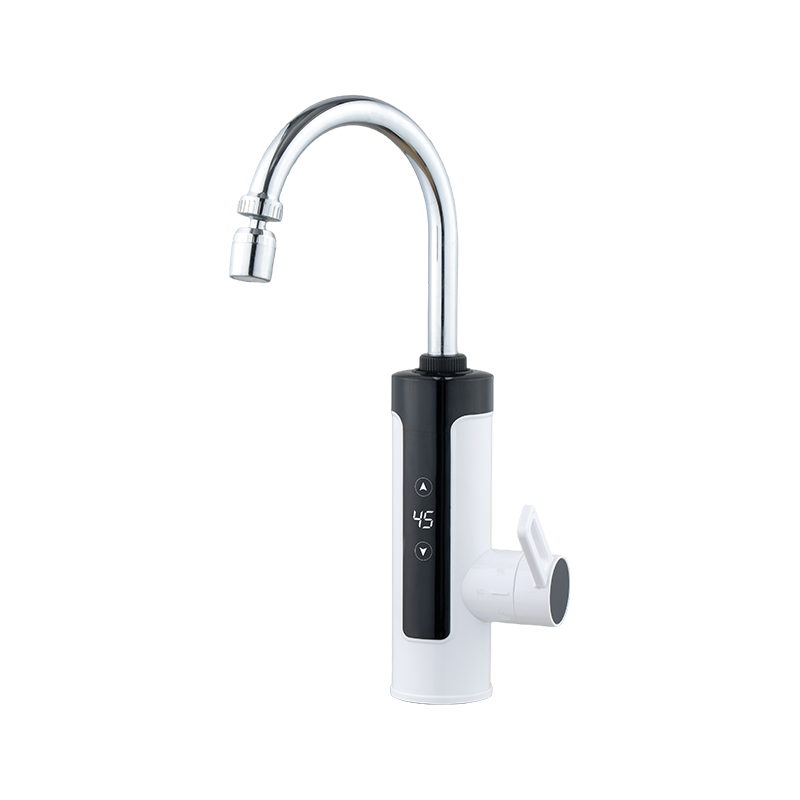
The stainless steel construction shown below reflects the sleek and durable design typically found in this category, and the 820-pixel image shows four instant electric hot water faucet configurations side by side for comparison.
| Model Focus | Primary Feature | Best Suited Use |
|---|---|---|
| Anti-dry-burning digital tap | Digital display with dry-run protection | Households wanting visible temperature control |
| Constant-temperature direct tap | Stable output temperature during flow changes | Frequent dishwashing or multi-task kitchens |
| Energy saving | Lower power draw during operation | Cost-conscious daily use |
| LED display | Clear on-screen temperature readout | Users who want easy visual monitoring |
Choosing the Right Instant Electric Hot Water Faucet
Selecting the right instant electric hot water faucet depends mainly on how the fixture will be used day to day. A household that frequently checks water temperature may prefer a digital display or LED display model, since these provide a clear numeric readout rather than requiring the user to judge temperature by touch. A household focused on reducing standby energy use may lean toward an energy-saving configuration, particularly for a single kitchen tap used intermittently throughout the day. A household with variable water pressure, such as when multiple fixtures are used at once, may benefit from a constant-temperature model designed to maintain steady output despite flow changes.
- Confirm the faucet includes anti-dry-burning and leakage protection before installation
- Check whether the sink or countertop supports the mounting base dimensions
- Match the swivel spout range to the sink basin width for full coverage
- Verify the electrical circuit can support the faucet's power requirements
About NINGBO MAITENG ELECTRIC APPLIANCE CO., LTD.
Established in 2011, NINGBO MAITENG ELECTRIC APPLIANCE CO., LTD. has been dedicated to the electric water heating faucet project for over a decade and is ISO9001 certified and CE certified. The company spans 10,000 square meters with 200 employees and an annual output of 2 million units, covering sales, e-commerce, production, after-sales, warehousing, and quality inspection departments. The company operates through both self-operated and distribution channels, including multiple Tmall stores, Pinduoduo stores, Taobao enterprise stores, and an Alibaba wholesale platform store, and expanded into a dedicated foreign trade department in 2023 to serve a broader international market. The company's product development approach centers on quality first, with a continued focus on developing new instant electric hot water faucet configurations to meet varied household needs.
Frequently Asked Questions
Q1: Is an instant electric hot water faucet suitable for a kitchen sink?
Yes, an instant electric hot water faucet is commonly installed at kitchen sinks to provide on-demand hot water for tasks such as washing dishes and pots, without waiting for a separate water heater to warm up.
Q2: What safety features should an instant electric hot water faucet include?
Key safety features include anti-dry-burning protection, overheating protection, leakage protection, and hydro power separation, all of which help ensure safe operation in a household setting.
Q3: How does a constant-temperature electric faucet differ from a standard model?
A constant-temperature electric faucet is designed to maintain a steady output temperature even when water flow or pressure changes, which can be useful when the fixture is used for extended or repeated tasks.
Q4: Does an instant electric hot water faucet use less energy than a storage water heater?
According to Department of Energy research, on-demand electric heating can reduce standby energy loss compared with storage-tank systems, with reported efficiency gains that vary depending on daily household hot water use.



NINGBO MAITENG ELECTRIC APPLIANCE CO., LTD. integrates production and sales. The company adopts a dual model of self-management and distribution sales.
- CONTACT INFO
-
NO.8 Yaobei Avenue,Simen Town, Yuyao City, Ningbo City, Zhejiang, China
-
 +86-159 5821 2132
-
 +86-574-62178444
-
 +86-159 5821 2132
-
 [email protected]
[email protected]
-
- SCAN IT
-
Mobile terminal

