


 English
  Español
Instant Electric Water Heating Faucet: Types, Guide & FAQ
Date:2026-08-03
Content
- 1 What Is an Instant Electric Water Heating Faucet, and Why Does It Matter for Buyers
- 2 Common Types and Features of Instant Electric Water Heating Faucets
- 3 Working Principle and Internal Structure
- 4 Application Scenarios and Key Selection Criteria
- 5 Detailed Comparison: Power Ratings and Configuration Trade-offs
- 6 Relative Performance Attributes Across Configurations
- 7 Maintenance Guidance for Instant Electric Water Heating Faucets
- 8 Frequently Asked Questions
- 8.1 Q1: What is the main advantage of an instant electric water heating faucet over a tank-style heater?
- 8.2 Q2: How do I choose the right power rating for my installation?
- 8.3 Q3: Can these faucets be customized for OEM or ODM appliance programs?
- 8.4 Q4: Are instant electric water heating faucets suitable for households with hard water?
- 8.5 Q5: What should I ask a potential supplier before placing a wholesale order?
What Is an Instant Electric Water Heating Faucet, and Why Does It Matter for Buyers
An instant electric water heating faucet heats tap water as it flows through an internal heating element, delivering hot water within seconds without a storage tank. For distributors, wholesalers, and appliance brands, this compact heating format matters because it removes the space and standby energy loss typically associated with tank-style water heaters, while still supporting kitchen and bathroom use cases where quick access to hot water is expected. A well-engineered unit from a qualified China manufacturer combines a sealed heating chamber, a flow sensor, a thermostat control, and safety cutoffs into a single faucet body, allowing installation directly at the point of use.
This article focuses specifically on instant electric water heating faucets used in residential and light commercial settings, covering common types and features, internal working principles, application scenarios and selection criteria, a detailed comparison across configurations, maintenance guidance, and a practical FAQ section for buyers evaluating a faucet manufacturer, factory, or wholesale supplier.
Key takeaway: instant electric water heating faucets offer a compact, tankless alternative for point-of-use hot water, and selecting the right configuration depends mainly on flow rate, power rating, and installation environment.
Common Types and Features of Instant Electric Water Heating Faucets
Buyers sourcing from a faucet factory or faucet wholesaler generally encounter a small number of recurring configurations, each suited to a different installation setting and household demand level. Understanding these categories helps purchasing teams communicate specifications clearly to an OEM manufacturer or ODM manufacturer and avoid mismatched components between the faucet body, heating element, and control module.
- Kitchen-mounted units: designed for sink installation, typically supporting moderate flow rates suited to dishwashing and cooking preparation.
- Bathroom and shower-oriented units: built with higher power ratings to support the flow and temperature needs of shower use.
- Adjustable temperature faucets: feature a dial or digital control allowing the user to set a target output temperature within a safe range.
- Multifunction faucets: combine hot and cold mixing, spray modes, or LED temperature indication in a single unit.
- Portable or compact faucets: designed for smaller installation spaces or supplementary use in utility areas.
| Configuration | Typical Setting | Notable Trait |
|---|---|---|
| Kitchen-mounted | Kitchen sink | Moderate flow, compact body |
| Bathroom / shower | Bathroom, shower area | Higher power rating |
| Adjustable temperature | Kitchen or bathroom | Dial or digital temperature control |
| Multifunction | Kitchen or bathroom | Combined mixing and spray modes |
| Portable / compact | Utility area, small space | Space-saving, easy installation |
Key takeaway: matching faucet configuration to installation location and expected flow demand is the first practical step for any purchasing team evaluating an instant electric water heating faucet supplier.
Working Principle and Internal Structure
An instant electric water heating faucet works by passing incoming cold water through a sealed heating chamber that contains a high-wattage heating element, typically made from a corrosion-resistant metal alloy suited to continuous water contact. A flow sensor detects when water begins moving through the chamber and activates the heating circuit almost immediately, while a thermostat and one or more thermal cutoffs regulate the output temperature and shut the unit down if a fault condition is detected. This flow-activated design is what allows the faucet to avoid the standby heat loss associated with tank-style water heaters, since no water is kept hot when the faucet is not in use.
Core Components
The schematic below illustrates the general internal layout common to instant electric water heating faucets. It is a simplified structural reference intended to help buyers and engineers understand how the water inlet, heating chamber, control module, and outlet spout relate to one another inside the faucet body, and it is shown with a light isometric perspective to make the component relationships easier to follow.
Water enters through the inlet fitting, passes into the sealed heating chamber where the element raises its temperature, and continues through the control module before exiting through the outlet spout or shower connection. The control module houses the thermostat, flow sensor, and safety cutoff circuitry, coordinating how much heating power is applied based on flow rate and target temperature. Reliable performance depends heavily on the heating element's resistance to scale buildup and the quality of the sealing between the chamber and control housing, which is why an experienced China producer typically invests in dedicated testing equipment to verify watertightness and thermal cutoff response before units leave the factory.
Application Scenarios and Key Selection Criteria
Choosing the right instant electric water heating faucet depends heavily on installation location, expected flow rate, and the electrical supply available at the point of use. A kitchen sink faucet generally needs a moderate flow rate suited to dishwashing and food preparation, while a shower-oriented unit needs a higher power rating to maintain comfortable output temperature at greater flow volumes. Purchasing teams working with an OEM factory or ODM factory should evaluate several practical factors before finalizing a specification, since a mismatch between power rating and expected flow demand is one of the most common causes of inconsistent output temperature in the field.
Installation Environment Factors
|
Technical Selection Factors
|
Illustrative Adoption Trend Across Common Installation Settings
To help visualize where instant electric water heating faucets are most frequently adopted, the line chart below presents a general, illustrative trend across common installation settings over a multi-year period. This is not drawn from a single named market report but reflects a widely observed pattern in point-of-use water heating adoption discussed across general industry commentary. It is intended to give purchasing teams a general sense of relative growth direction rather than precise unit figures. The chart plots three installation settings on a shared qualitative adoption scale so relative growth direction can be compared at a glance. Values shown represent a relative adoption index, not confirmed sales data.
The kitchen line shows the steepest upward movement across the plotted period, which is consistent with growing interest in compact, point-of-use hot water for cooking and cleaning tasks where tank-based systems are less space efficient. The bathroom and shower line also trends upward, though at a comparatively steadier pace, reflecting continued but more gradual interest as higher-power units become more widely available for shower applications. The utility and portable line shows the flattest trajectory, suggesting this remains a smaller, more specialized segment rather than a primary growth driver. Read together, the three lines suggest that kitchen and bathroom settings are the main areas where purchasing teams should expect ongoing demand for instant electric water heating faucets. This pattern is broadly consistent with general industry commentary on point-of-use water heating adoption, which frequently cites space efficiency and reduced standby energy loss as key motivators for tankless formats. For a faucet manufacturer or wholesale supplier, this trend can help prioritize product development and inventory planning toward kitchen and bathroom configurations. It also suggests that marketing and technical documentation aimed at installers should emphasize flow rate and power compatibility guidance for these two dominant settings. Buyers evaluating a new OEM supplier or ODM supplier may find it useful to ask specifically about kitchen and bathroom product lines given this relative demand pattern. Overall, the chart reinforces that installation setting remains the primary driver of configuration choice, more so than any single technical feature considered in isolation.
Detailed Comparison: Power Ratings and Configuration Trade-offs
Instant electric water heating faucets are commonly grouped by power rating, and understanding the trade-offs between lower and higher power configurations helps purchasing teams match product lines to target markets. Lower power units are generally more compact and easier to install on standard household circuits, while higher power units can support greater flow rates and more consistent output temperature in colder incoming water conditions. Neither tier is universally preferable; the right choice depends on the electrical infrastructure available and the intended use case.
| Characteristic | Lower Power Tier | Higher Power Tier |
|---|---|---|
| Installation simplicity | Generally simpler | May require dedicated circuit |
| Suitable flow rate | Lower | Generally higher |
| Best-fit setting | Kitchen, utility use | Bathroom, shower use |
| Sensitivity to cold incoming water | More sensitive | Generally more stable |
Composition of a Typical Product Line
The donut chart below presents a general, illustrative breakdown of how a typical instant electric water heating faucet product line is often distributed across power tiers and configuration types. This is a qualitative illustration rather than a confirmed sales breakdown, intended to help buyers understand common product mix patterns when planning a wholesale order. The proportions shown reflect commonly discussed patterns in point-of-use water heater product planning rather than a specific verified dataset. Reviewing this alongside your own target market can help identify which configuration should receive the largest share of an initial order. The chart uses a ring format so the relative weight of each segment can be compared visually at a glance.
Kitchen-mounted units typically make up the largest single segment of a general product line, reflecting their broad applicability and comparatively simple installation requirements across many household types. Bathroom and shower-oriented units make up a substantial secondary segment, consistent with steady demand for point-of-use hot water in shower settings, particularly in smaller households or renovation projects where installing a full tank system is impractical. Multifunction and other configurations, including portable and adjustable temperature variants, make up a smaller but still meaningful share, often serving as differentiation points for brands targeting a specific market niche. This distribution suggests that a balanced initial wholesale order should weight kitchen-mounted units most heavily while still maintaining meaningful inventory of bathroom and multifunction variants. It also indicates that a manufacturer offering strong coverage across all three segments may be better positioned to support a distributor's full catalog needs rather than a single narrow product type. For buyers new to sourcing from a China factory or China supplier, this general product mix can serve as a starting reference point for structuring a first purchase order before adjusting based on actual regional demand data. Brands operating dual sales channels, such as direct e-commerce platforms alongside wholesale distribution, often find that kitchen-mounted units perform consistently across both channels, while multifunction variants may perform better in higher-engagement online storefronts. Ultimately, product mix planning should be revisited periodically as installation trends and consumer preferences continue to evolve.
Relative Performance Attributes Across Configurations
Beyond power tier alone, it is useful to compare performance attributes across the main configuration types described earlier, since kitchen-mounted, bathroom, and multifunction faucets each balance flow capacity, installation ease, and feature richness differently. The stacked bar chart below presents a general, illustrative scoring of three attributes across these three configuration types on a simple qualitative scale. This visualization is meant to support early conversations between product teams and a faucet supplier, not to replace formal performance testing on a specific model. Reviewing this alongside your target installation setting can help narrow a shortlist of configurations before requesting samples from a manufacturer.
Kitchen-mounted units show the tallest installation ease segment among the three configurations, reflecting their generally simpler wiring and mounting requirements compared to higher-power alternatives. Bathroom and shower units show the tallest combined bar overall, driven primarily by a larger flow capacity segment, which is consistent with the higher power ratings typically needed to maintain comfortable shower temperatures. Multifunction units show the largest feature richness segment, reflecting their additional control and mixing capabilities, though this often comes with a moderate reduction in installation ease relative to simpler kitchen-mounted designs. Taken together, the three stacked bars illustrate a recurring trade-off pattern in point-of-use water heating design, where adding flow capacity or additional features frequently introduces some additional installation complexity. This pattern is consistent with general engineering discussions of tankless water heating design, where compactness and simplicity often compete with higher throughput and expanded functionality. For a purchasing team building a catalog across multiple configurations, this chart suggests pairing kitchen-mounted units with beginner-friendly installation marketing, while positioning bathroom and multifunction units toward buyers seeking higher performance or expanded features. It also implies that technical support documentation should be tailored differently across configurations, since installation complexity is not uniform across the product family. Manufacturers offering clear, configuration-specific installation guidance may reduce field support inquiries as a result. As with the earlier charts, actual performance depends on the specific design and manufacturing quality of a given model, so this comparison should be treated as a general planning reference rather than a substitute for direct product evaluation.
Maintenance Guidance for Instant Electric Water Heating Faucets
Proper maintenance can meaningfully extend the service life of an instant electric water heating faucet, particularly in households with harder water where mineral scale can gradually build up inside the heating chamber. Because these units rely on a sealed electrical heating element in direct contact with flowing water, scale buildup, connector wear, and seal degradation are the most common causes of reduced performance over time. The following general guidance applies broadly across kitchen, bathroom, and multifunction configurations, though specific maintenance intervals should always follow the appliance manufacturer's own documentation.
- Periodically descale the unit if local water hardness is high, following the manufacturer's recommended cleaning method.
- Inspect the inlet filter or strainer regularly and clear any debris that could restrict flow.
- Check electrical connections and grounding periodically to ensure continued safe operation.
- Avoid operating the faucet with significantly reduced water pressure, which can affect flow sensor performance.
- Replace the unit promptly if output temperature becomes noticeably inconsistent, rather than continuing to operate a degraded unit.
Appliance brands and distributors sourcing from a reliable manufacturer often find that heating element quality and seal precision from the original production run have a greater long-term impact on field reliability than end-user maintenance habits alone. This is one of the reasons experienced buyers place a strong emphasis on supplier quality control processes when qualifying a new China supplier for water heating faucet components.
Companies with sustained, focused experience in this category illustrate how consistent production discipline supports long-term product reliability. NINGBO MAITENG ELECTRIC APPLIANCE CO., LTD., established in 2011, has spent more than a decade dedicated specifically to the electric water heating faucet category, and operates as an ISO9001 and CE certified manufacturer. The company's facility spans 10,000 square meters with around 200 employees and an annual output of approximately 2 million units, encompassing sales, e-commerce, production, after-sales, warehousing, and quality inspection departments within a single organization. Beyond supplying appliance brand partners, the company also develops its own product lines, including a dedicated brand introduced in 2019, and sells through a mix of self-operated and distributed e-commerce channels. In 2023, the company established a dedicated foreign trade department to support a broader international market, reflecting a practical example of the kind of manufacturing depth and channel experience that many purchasing teams look for when qualifying an instant electric water heating faucet manufacturer, exporter, or wholesale supplier for new sourcing programs.
Frequently Asked Questions
Q1: What is the main advantage of an instant electric water heating faucet over a tank-style heater?The main advantage is generally the compact, tankless design, which avoids standby heat loss and saves installation space, making it a practical option for point-of-use kitchen and bathroom applications. |
Q2: How do I choose the right power rating for my installation?Power rating should be matched to available electrical supply, expected flow rate, and incoming water temperature; a reliable manufacturer or supplier can typically provide guidance for your specific setting. |
Q3: Can these faucets be customized for OEM or ODM appliance programs?Yes, many manufacturers support OEM manufacturer and ODM manufacturer programs, adjusting housing design, temperature control type, and connector fittings to match a specific brand's product line. |
Q4: Are instant electric water heating faucets suitable for households with hard water?They can be used in hard water areas, though periodic descaling is generally recommended to maintain heating efficiency and reduce mineral buildup inside the heating chamber over time. |
Q5: What should I ask a potential supplier before placing a wholesale order?It is reasonable to ask about certification status, production capacity, quality inspection processes, export experience, and whether the supplier can support OEM or ODM customization for your target market. |
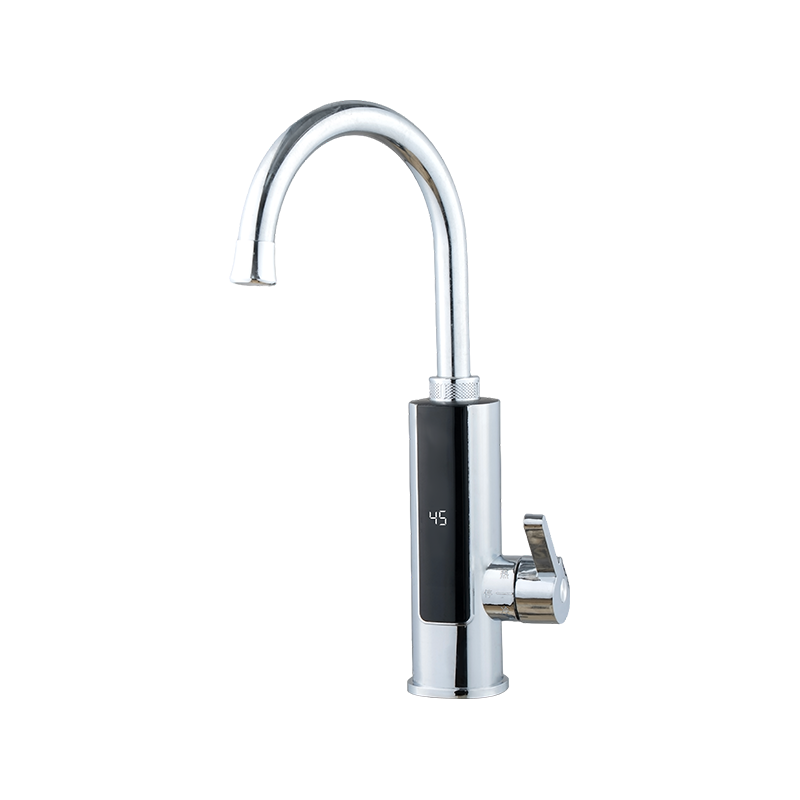
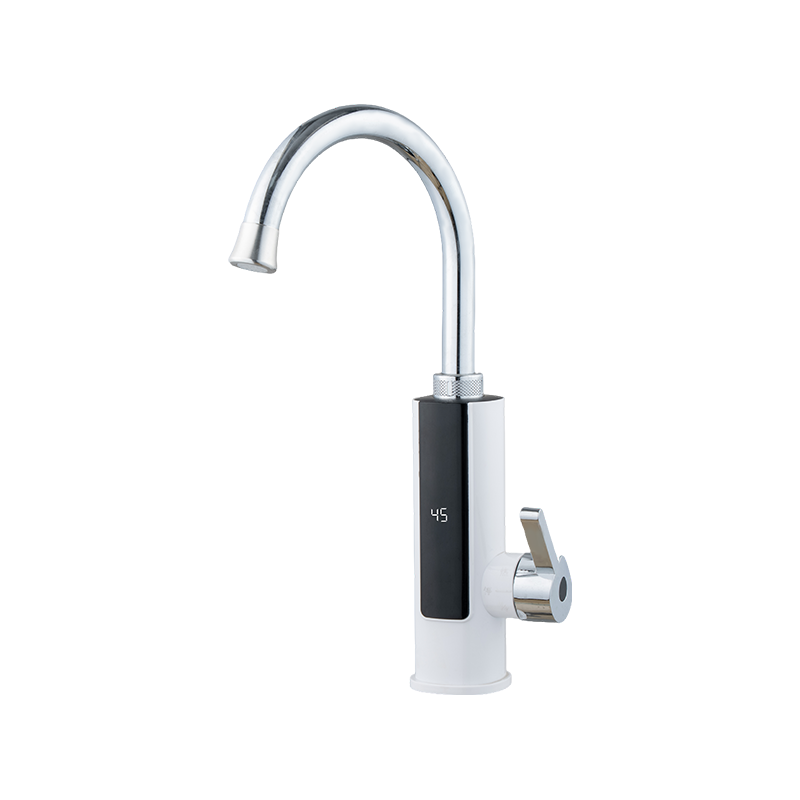
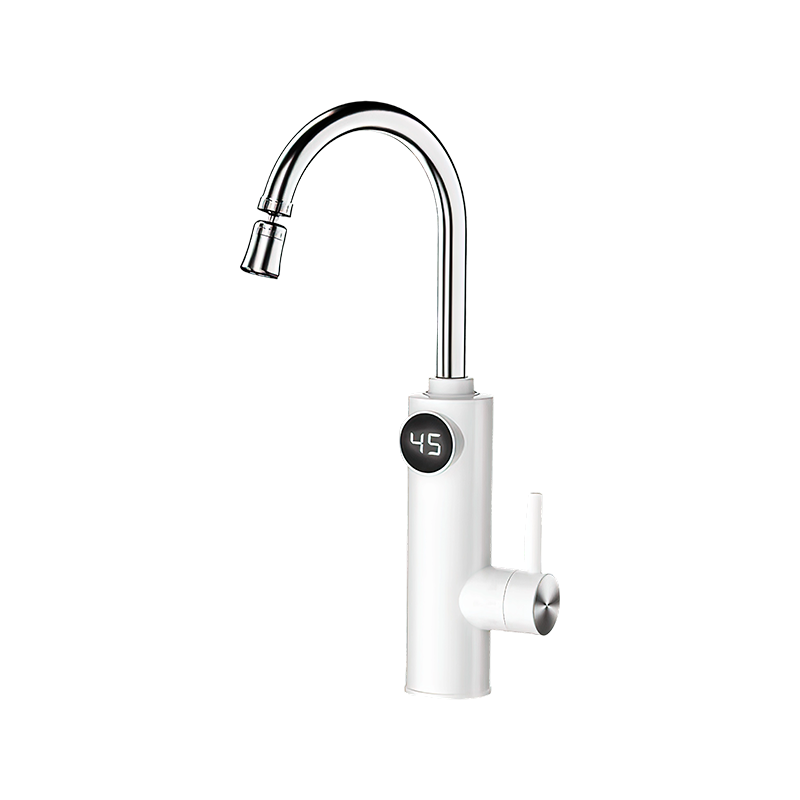
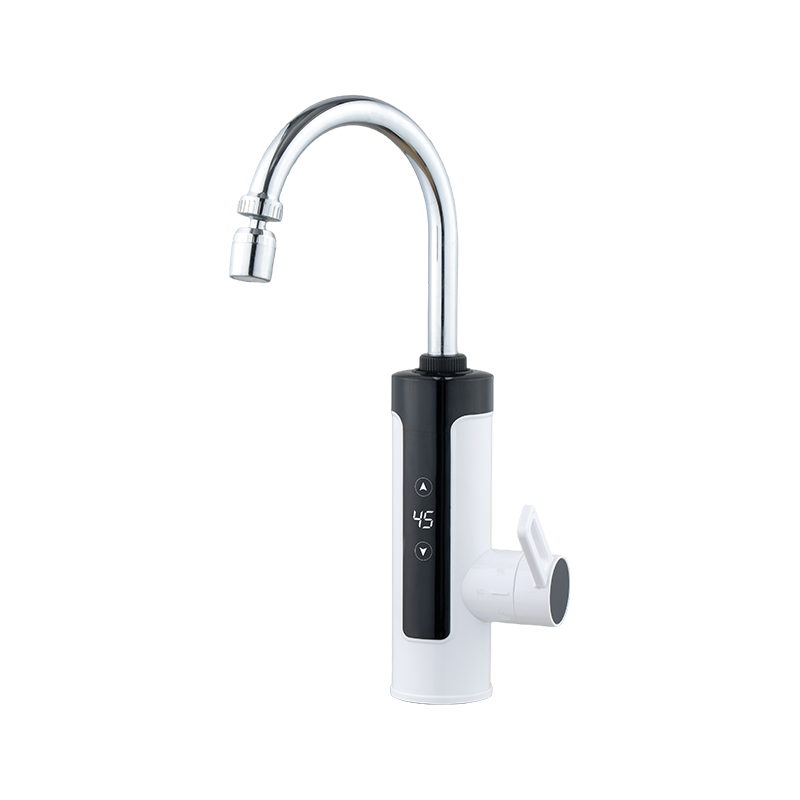



NINGBO MAITENG ELECTRIC APPLIANCE CO., LTD. integrates production and sales. The company adopts a dual model of self-management and distribution sales.
- CONTACT INFO
-
NO.8 Yaobei Avenue,Simen Town, Yuyao City, Ningbo City, Zhejiang, China
-
 +86-159 5821 2132
-
 +86-574-62178444
-
 +86-159 5821 2132
-
 [email protected]
[email protected]
-
- SCAN IT
-
Mobile terminal

