


 English
  Español
Electric Water Faucet Explained: How Instant Hot Water Taps Work
Date:2026-08-11
Content
- 1 Electric Water Faucet Basics: Definition and Core Function
- 2 Common Types of Electric Water Faucets and Their Key Features
- 3 How an Electric Water Faucet Works: Core Structure and Heating Principle
- 4 Where Electric Water Faucets Are Used: Application Scenarios and Selection Criteria
- 5 Electric Water Faucet vs Storage Tank Water Heater: Detailed Comparison
- 6 Market Growth and Adoption Trends for Electric Instant Water Heating
- 7 Energy Efficiency Data: How Much Can an Electric Water Faucet Save
- 8 Maintenance and Care Guidelines for Long-Term Performance
- 9 Choosing a Reliable Electric Water Faucet Manufacturer or Supplier in China
- 10 Frequently Asked Questions About Electric Water Faucets
- 10.1 Q1: What is an electric water faucet used for?
- 10.2 Q2: How much electricity does an electric water faucet consume?
- 10.3 Q3: Is an electric water faucet safe for daily home use?
- 10.4 Q4: Can the temperature on an electric water faucet be adjusted?
- 10.5 Q5: What should buyers check before selecting an electric water faucet supplier?
- 10.6 Q6: How long does an electric water faucet typically last?
Electric Water Faucet Basics: Definition and Core Function
An electric water faucet is a point-of-use appliance that heats cold tap water instantly as it passes through an internal heating chamber, delivering hot water directly at the tap without a separate storage tank. It relies on an electric heating element, commonly rated between roughly 3000 and 8000 watts depending on the model and target market voltage, working together with a flow sensor and a thermostat that regulate output temperature in real time as water passes through the unit. Because there is no tank that needs to stay hot around the clock, an electric water faucet avoids much of the standby energy loss associated with conventional storage water heaters, a factor that industry research referenced later in this guide estimates at roughly eighteen percent of a household's water heating energy use. This makes an electric water faucet a compact, energy-conscious option for kitchens, bathrooms, dormitories, and small commercial spaces where installing a full-size water heater is impractical or unnecessary. The sections below explain how these units are built, where they perform best, how they compare with storage tank heaters, what the available efficiency data shows, and what to look for when working with a professional electric water faucet manufacturer or supplier.
Electric water faucets are manufactured in several configurations to suit different plumbing layouts and climates, ranging from simple single-temperature kitchen units to multifunction models with digital displays and adjustable heat settings. They are widely produced by factories across China, where mature supply chains for heating elements, thermostats, and food-grade or bathroom-grade housings support both domestic sales and export. Throughout this article, references to an electric water faucet manufacturer, factory, or supplier reflect this broader production landscape rather than any single company, except where a specific example is introduced later for illustration.
An electric water faucet delivers on-demand hot water without a storage tank, which reduces standby energy loss and saves installation space compared with conventional tank-based heaters.
Common Types of Electric Water Faucets and Their Key Features
Electric water faucets are generally grouped by installation location, heating capacity, and control method rather than by a single universal standard, so understanding these categories helps buyers match a unit to its intended plumbing setup. A kitchen-oriented electric water faucet is typically designed for lower flow rates and food-contact-safe materials, while a bathroom or shower-oriented unit is often built for slightly higher flow and includes stronger scald-protection logic. A wall-mounted electric water faucet is fixed to a wall or under-sink cabinet and connected to a dedicated circuit, whereas a more portable electric water faucet can be moved between fixtures for temporary or rental use. A multifunction electric water faucet usually adds features such as digital temperature display, multiple spray modes, or dual hot-cold mixing, and an adjustable electric water faucet allows the user to set a target temperature rather than relying on a fixed output. The table below summarizes four common categories that buyers frequently request from an electric water faucet manufacturer.
| Type | Typical Power Range | Common Installation | Key Feature |
|---|---|---|---|
| Kitchen instant electric water faucet | 3000–4500W | Under-sink or single-hole mount | Fast heating for washing and cooking use |
| Bathroom point-of-use electric water faucet | 4500–6500W | Wall-mounted near basin or shower | Higher flow tolerance, scald protection |
| Wall-mounted digital electric water faucet | 5000–7000W | Fixed circuit, dedicated breaker | Digital display with adjustable temperature |
| Multifunction hot-cold electric water faucet | 4000–8000W | Kitchen or utility room | Combined hot and cold mixing with multiple modes |
Selecting among these categories usually comes down to available flow rate, circuit capacity, and how the space will be used day to day. A rental property or dormitory often benefits from a simpler, more portable electric water faucet that can be relocated, while a renovated kitchen or bathroom is better suited to a fixed, adjustable electric water faucet wired into its own circuit. Buyers sourcing in volume from an electric water faucet factory frequently request a mix of these types to serve different regional markets within a single purchase order.
Matching the correct electric water faucet type to the installation's flow rate and circuit capacity is the first and most important selection step.
How an Electric Water Faucet Works: Core Structure and Heating Principle
Inside a typical electric water faucet, cold water first passes through an inlet valve and a flow sensor that detects when the tap is opened and signals the control circuit to begin heating. The water then moves through a sealed heating chamber, which usually contains either a ceramic PTC (positive temperature coefficient) heating disc or a copper heating tube, depending on the manufacturer's design and target price tier. A thermostat and control PCB continuously monitor the outgoing water temperature and adjust the heating output so the water leaves the spout close to the set temperature rather than fluctuating sharply. A leakage current protector, sometimes paired with a grounding wire, is built in to cut power automatically if any current leakage is detected, which is a core safety requirement for any electric water faucet installed near a water source. When the tap is closed, the flow sensor signals the heating element to stop almost immediately, which is part of why an electric water faucet does not need to keep a reservoir of water hot while idle.
The simplified structural diagram below illustrates these core components in a generalized electric water faucet body. It is intended as an explanatory schematic rather than a drawing of any single product, since exact internal layouts vary between models and between each electric water faucet manufacturer.
- Cold water inlet valve, where water enters the electric water faucet from the supply line.
- Flow sensor, which detects water movement and triggers the heating cycle.
- Heating chamber with a ceramic or copper heating element that raises water temperature as it flows through.
- Thermostat and control PCB, which regulate output temperature and manage safety cutoffs.
- Leakage current protector and grounding point, a core safety feature for any electric water faucet.
- Hot water outlet spout, where heated water is delivered to the sink, basin, or shower fixture.
The flow sensor and thermostat working together are what allow an electric water faucet to heat water only on demand, rather than storing and reheating it continuously.
Where Electric Water Faucets Are Used: Application Scenarios and Selection Criteria
An electric water faucet is commonly chosen for spaces where running a dedicated hot water pipe from a central heater is inconvenient, costly, or simply unavailable. Rental apartments and student dormitories frequently use a portable electric water faucet because tenants can install or remove it without altering shared plumbing. Small commercial kitchens, workshops, and staff washrooms often select a more robust, adjustable electric water faucet rated for higher flow and heavier daily use. Older buildings undergoing partial renovation sometimes rely on an eco friendly electric water faucet as an interim solution before a full central heating system is installed, since it avoids the standby losses of adding a new tank unit. Outdoor utility sinks, garden taps, and mobile or temporary housing units also represent a growing use case for a compact, wall-mounted electric water faucet.
Typical Application Scenarios
|
Selection Checklist
|
Because electrical circuit capacity varies significantly by building and region, buyers and installers should always confirm that the local wiring can support the wattage of the selected electric water faucet before purchase. A multifunction electric water faucet with digital display can simplify this process by showing real-time power draw and temperature, helping users avoid overloading a shared circuit. For B2B buyers, working directly with an electric water faucet supplier that offers multiple wattage tiers within one product line makes it easier to serve varied markets without redesigning packaging or documentation for each region.
Confirming voltage, circuit capacity, and flow rate compatibility before installation is the most common factor in a successful electric water faucet deployment.
Electric Water Faucet vs Storage Tank Water Heater: Detailed Comparison
A storage tank water heater keeps a fixed volume of water hot at all times, reheating it periodically to offset heat lost through the tank walls, a phenomenon known as standby loss. An electric water faucet, by contrast, only heats the water that is actually flowing through it at the moment of use, which changes the efficiency and footprint profile of the two approaches in several measurable ways. The table below summarizes the main structural differences, and the radar chart that follows translates several of these differences into a relative visual comparison across five practical dimensions.
| Factor | Electric Water Faucet | Storage Tank Heater |
|---|---|---|
| Heating method | On-demand, in-line heating | Continuous heating of stored volume |
| Installation footprint | Compact, wall or under-sink mounted | Larger tank requiring dedicated space |
| Standby energy loss | Minimal, since no water is stored hot | Present, from ongoing tank heat loss |
| Typical service life reference | Often cited around 20 years with maintenance | Often cited around 10 to 15 years |
| Maintenance focus | Periodic descaling of the heating chamber | Tank flushing and anode inspection |
Before reviewing the chart, it is worth noting how these factors interact in practice. A shorter installation footprint tends to matter most in compact urban housing, while standby loss and service life influence long-run operating considerations for property managers and facility operators. Response speed at the point of use depends on how quickly the heating element reaches target temperature once flow begins, which is a design strength of most electric water faucet units. Maintenance simplicity depends on water hardness and how frequently the unit is descaled or serviced, and this factor tends to be closer between the two technologies than the others. The relative index below combines publicly discussed efficiency, footprint, and lifespan characteristics into a single five-point illustrative scale so the trade-offs can be compared side by side at a glance.
The chart above presents an illustrative five-point relative index synthesized from the structural comparison and published efficiency and lifespan discussions covered in this article, rather than a single official measurement. Across all five dimensions, the electric water faucet profile extends further from center on energy efficiency, compact footprint, and response speed, which reflects its lack of a standby-loss tank and its smaller physical size. The storage tank heater profile stays closer to center on those same three dimensions, consistent with the fact that it must maintain a larger stored volume at temperature. On typical service life, the electric water faucet profile is also shown extending further, aligning with commonly cited lifespan ranges of around twenty years for well-maintained tankless electric units compared with ten to fifteen years for many storage tank models. On maintenance simplicity, the two profiles sit closer together, since both technologies require some periodic upkeep, descaling for the heating chamber in one case and tank flushing or anode inspection in the other. This closeness on maintenance is intentional in the chart, since neither technology is maintenance-free and the practical burden depends heavily on local water hardness. Readers evaluating options for a specific building should treat this chart as a starting framework for discussion rather than a precise engineering specification. Facility managers comparing multiple properties often find it useful to walk through each axis individually with their electric water faucet supplier before finalizing a purchase order. Because the underlying advantages stem from basic thermodynamics, namely the presence or absence of a heated storage volume, the general direction of this comparison tends to hold across most residential and light commercial contexts. Buyers with unusually high simultaneous hot water demand across multiple fixtures should discuss flow rate limits with their supplier, since a single electric water faucet is sized for point-of-use rather than whole-building distribution. Overall, the chart is meant to support an informed conversation about trade-offs rather than to declare one technology universally superior in every scenario.
The comparison indicates that an electric water faucet tends to offer efficiency, footprint, and lifespan advantages at the point of use, while maintenance needs remain broadly comparable between the two technologies.
Market Growth and Adoption Trends for Electric Instant Water Heating
Demand for tankless and instant water heating technology, including the broader electric water faucet category, has been tracked by several independent market research firms over the past few years. According to a market report published by Grand View Research, the global tankless water heater market was valued at approximately 4.3 billion US dollars in 2025 and is projected to reach roughly 9.4 billion US dollars by 2033, which corresponds to a compound annual growth rate of about 10.4 percent. The same report notes that the electric segment led the overall tankless water heater market with a 70.5 percent revenue share in 2025, reflecting a broader shift toward electric-based, on-demand heating over gas-based systems in many regions. Separate market analysis from Business Research Insights indicates that the Asia Pacific region, including China, is expected to hold a substantial share of the global tankless electric water heater market between 2026 and 2033, driven in part by rapid urbanization and rising demand for compact, space-saving heating appliances. Before reviewing the line chart below, it is useful to understand that these figures represent overall market value trends rather than unit shipment counts, and that different research firms sometimes report somewhat different totals depending on their scope and methodology.
The line chart traces the global tankless water heater market value from an estimated 4.3 billion US dollars in 2025 to a projected 9.4 billion US dollars by 2033, based on figures published by Grand View Research. The upward slope reflects a compound annual growth rate near 10.4 percent, which is a relatively strong pace for a mature appliance category and suggests sustained, multi-year demand rather than a short-term spike. Several factors are commonly cited as drivers of this trend, including rising household electricity access in developing regions, growing urbanization that favors compact appliances over bulky storage tanks, and increasing consumer awareness of standby energy losses in traditional water heating systems. The electric segment's reported 70.5 percent share of the broader tankless water heater market in 2025 suggests that buyers researching an electric water faucet are participating in the fastest-growing part of this category rather than a niche corner of it. Regional research also points to the Asia Pacific market, including China, as a significant growth contributor, which aligns with the concentration of electric water faucet manufacturer and electric water faucet factory capacity in the region. For B2B buyers and distributors, this sustained growth trend can be a useful data point when evaluating whether to expand an electric water faucet product line or add new SKUs from an OEM manufacturer. It is worth noting that different research firms publish somewhat different absolute figures for this market, with some reports citing values closer to 5 billion US dollars in 2026 and others citing figures nearer 8 billion US dollars by the early 2030s, so the chart above should be read as directionally representative of strong sustained growth rather than as a single precise industry consensus number. Retailers and wholesalers considering a wholesale electric water faucet program may find this growth context useful when forecasting demand over a multi-year planning horizon. Because standby energy loss reduction is a recurring theme across these market reports, it connects directly to the efficiency data explored in the next section of this guide. Overall, the trend line supports the view that instant, tank-free heating technology, including the electric water faucet category, is moving from a secondary option toward a mainstream water heating choice in many markets. This broader context also helps explain why more brands and manufacturers continue to expand their electric water faucet Technology offerings each year.
Published market research points to sustained, double-digit percentage growth in the tankless water heater category, with the electric segment representing the majority share as of 2025.
Energy Efficiency Data: How Much Can an Electric Water Faucet Save
Efficiency Gains by Household Usage Level
Efficiency comparisons between tankless and storage tank heating are among the most frequently cited figures in this product category, so it is worth walking through the underlying data carefully. Guidance summarizing U.S. Department of Energy research indicates that households using about 41 gallons or fewer of hot water per day can see tankless units operate roughly 24 to 34 percent more efficiently than a comparable storage tank heater. For households with heavier daily hot water use, around 86 gallons per day, the same guidance indicates a smaller but still meaningful efficiency gain of roughly 8 to 14 percent. Installing a dedicated point-of-use tankless unit, such as an electric water faucet, at each hot water outlet rather than relying on one central heater can increase total efficiency gains further, with some guidance citing improvements of up to 27 to 50 percent in that specific configuration. The bar chart below visualizes these three usage scenarios so the relative scale of each efficiency range is easier to compare at a glance.
The horizontal bar chart shows that the efficiency advantage of tankless, on-demand heating is not a fixed number but instead depends heavily on household hot water usage patterns. For lighter-use households consuming around 41 gallons or fewer per day, the reported 24 to 34 percent efficiency range is substantial, suggesting that an electric water faucet installed in a smaller household, apartment, or single-occupant unit could see a meaningful reduction in water heating energy use. For heavier-use households near 86 gallons per day, the smaller 8 to 14 percent range still represents a real efficiency gain, though the relative advantage narrows as continuous demand reduces the proportion of energy that would otherwise be lost to standby heating in a tank system. The largest range shown, 27 to 50 percent, applies specifically to installing point-of-use units such as an electric water faucet at each individual fixture rather than centralizing hot water production, since this configuration eliminates distribution losses that occur when hot water travels through long pipe runs from a central heater. This distinction matters for property developers and facility planners deciding between a single central heater and multiple distributed electric water faucet installations across a building. It also helps explain why point-of-use electric water faucet units are increasingly specified in multi-unit residential buildings, where minimizing pipe runs to each hot water outlet is often difficult to achieve with a single central system. Buyers and specifiers should treat the exact percentages as usage-dependent ranges rather than fixed guarantees, since actual savings depend on climate, incoming water temperature, and how consistently hot water is used throughout the day. Nonetheless, the consistent direction of these ranges, all favoring on-demand heating over storage tank heating to some degree, supports the broader adoption trend covered in the previous section. For manufacturers and B2B buyers, this efficiency data can support conversations with end customers about the practical benefits of switching from a storage tank heater to a distributed electric water faucet setup. It also provides a useful frame for comparing an eco friendly electric water faucet against older, less efficient legacy heating equipment during a renovation project. Overall, the data indicates that efficiency gains are real and usage-dependent, with the strongest case for on-demand heating appearing in lighter-use households and in point-of-use, per-fixture installations.
Where Storage Tank Heaters Lose Energy
To understand why an electric water faucet avoids much of the inefficiency associated with storage tank heating, it helps to look specifically at where that inefficiency comes from. A storage tank heater keeps a set volume of water hot continuously, and the tank walls, however well insulated, gradually radiate heat into the surrounding room. This ongoing loss is commonly referred to as standby loss, and estimates referencing U.S. Department of Energy research place it at roughly 18 percent of a typical home's water heating energy use, with some industry sources citing a broader range of about 10 to 20 percent depending on tank age, insulation quality, and ambient temperature. Because an electric water faucet does not store any water at temperature between uses, this category of loss is largely avoided by design. The donut chart below breaks a typical storage tank heater's energy use into two simplified categories, standby loss and effectively delivered heating energy, using the 18 percent estimate referenced above.
The donut chart illustrates that roughly eighteen percent of a typical storage tank water heater's energy budget can be attributed to standby loss rather than water that is actually delivered for use, based on an estimate referencing U.S. Department of Energy research. This means that for every unit of energy the appliance consumes, a meaningful portion is spent simply keeping stored water at temperature rather than heating water someone is actively using. An electric water faucet is structurally designed to avoid this category of loss almost entirely, since the heating element only activates while water is flowing through the unit. This distinction becomes more significant over the full operating lifespan of a water heating appliance, since standby loss accumulates continuously, twenty-four hours a day, regardless of how often hot water is actually drawn from the tap. Buildings in colder climates, where ambient temperatures around the tank are lower, can see standby loss estimates trend toward the higher end of the ten to twenty percent range cited by some industry sources. Better tank insulation can reduce, but generally not eliminate, this loss, since some heat transfer through any insulated surface is unavoidable given a sustained temperature difference. This is one of the clearest engineering reasons that an electric water faucet is frequently positioned as a more energy-conscious alternative for point-of-use applications, particularly in smaller households or single-fixture installations. It also explains why energy efficiency messaging around electric water faucet products tends to focus on the absence of standby loss rather than on heating speed alone, since heating speed is influenced by wattage rather than by tank versus tankless design. For manufacturers and suppliers, this standby loss data provides a factual, non-promotional basis for discussing the category-level advantages of on-demand heating with commercial buyers and distributors. It is worth noting that the exact percentage varies by tank size, insulation standard, and climate, so the eighteen percent figure should be read as a commonly cited estimate rather than a universal constant. Taken together with the usage-based efficiency ranges discussed above, this standby loss data reinforces why on-demand technologies, including the electric water faucet category, continue to gain adoption across the residential and light commercial water heating market.
Standby heat loss, estimated at roughly 18 percent of a typical storage tank heater's energy use, is a category of inefficiency that an electric water faucet is structurally designed to avoid.
Maintenance and Care Guidelines for Long-Term Performance
Routine maintenance is one of the simplest ways to keep a durable electric water faucet performing reliably over its service life. Because the heating chamber is in direct contact with flowing water, mineral buildup from hard water can gradually reduce heating efficiency and, in some cases, trigger safety cutoffs. A consistent maintenance routine also supports the safety systems built into a reliable electric water faucet, since leakage protectors and thermostats depend on clean internal components to function as designed. The steps below outline a general maintenance approach suitable for most residential and light commercial electric water faucet installations.
- Descale the heating chamber periodically, with frequency adjusted based on local water hardness, to prevent mineral buildup from reducing heat transfer efficiency.
- Clean or replace the inlet filter and outlet aerator regularly to maintain consistent flow rate and prevent sediment from entering the heating chamber.
- Test the leakage current protector button on a monthly basis to confirm the safety cutoff is functioning correctly.
- Inspect the power cord, plug, and grounding connection periodically for wear, looseness, or corrosion.
- Avoid operating the unit without water flow, since dry-heating can damage the heating element in most electric water faucet designs.
- Schedule a professional inspection at reasonable intervals, particularly in commercial or high-frequency-use settings.
Facility managers overseeing multiple installations often keep a simple maintenance log noting descaling dates and any observed changes in flow rate or heating response, which can help identify a failing unit before it stops working entirely. Distributors and installers working with an electric water faucet supplier can also request maintenance documentation as part of the product package, which supports end customers in getting the longest practical service life from each unit. Consistent care is one of the more overlooked factors in evaluating whether an electric water faucet is durable in real-world conditions, since even a well-engineered unit can underperform if descaling and inspection are neglected over time.
Regular descaling, filter cleaning, and leakage protector testing are the most effective ways to maintain a reliable electric water faucet over the long term.
Choosing a Reliable Electric Water Faucet Manufacturer or Supplier in China
Sourcing from a professional electric water faucet manufacturer involves more than comparing product specifications alone. B2B buyers typically evaluate a prospective electric water faucet factory on production capacity, quality inspection processes, certification records, and prior experience serving export markets. Working with an established China electric water faucet manufacturer can offer practical advantages, including access to mature component supply chains for heating elements, thermostats, and housings, as well as familiarity with the documentation and testing expectations of overseas buyers. Many buyers also look for flexibility across sourcing models, since a single electric water faucet supplier may offer several ways to structure a partnership depending on order volume and branding needs.
OEM Electric Water Faucet Manufacturing
Production based on a buyer's own specifications and branding, suited to established brands seeking a manufacturing partner.ODM Electric Water Faucet Development
Joint or supplier-led product development, useful for buyers who want design input without building specifications from scratch.Wholesale Electric Water Faucet Supply
Standard catalog models supplied in bulk, suited to distributors and wholesalers seeking established product lines.Small-Batch Customization
Lower minimum order options for buyers testing a new market or region before committing to larger volumes.
Established in 2011, NINGBO MAITENG ELECTRIC APPLIANCE CO., LTD. is one example of a China electric water faucet manufacturer that has focused on the electric water heating faucet category for more than a decade. The company operates from a facility spanning roughly 10,000 square meters with about 200 employees and an annual output of around 2 million units, encompassing sales, e-commerce, production, after-sales, warehousing, and quality inspection departments under one operation. It holds ISO9001 and CE certification and has built OEM partnerships with several established domestic appliance brands, alongside producing its own brands, including Dongri Le and Aituosheng, and a further brand named HELLO DREAM launched in March 2019. Sales are conducted through a dual model of self-operation and distribution, including several Tmall, Pinduoduo, and Taobao enterprise stores as well as an Alibaba wholesale platform store, and in 2023 the company established a dedicated foreign trade department to serve a broader international market as an electric water faucet exporter. The company describes its approach around a quality-first philosophy paired with ongoing product development, summarized in its slogan, "Fast and hot life starts with me," and it welcomes factory visits from prospective partners interested in cooperation. This kind of background information is generally useful for B2B buyers evaluating whether a prospective electric water faucet manufacturer has the scale, certification, and export experience needed to support a long-term supply relationship.
Evaluating production scale, certification, and OEM/ODM flexibility is a practical way for B2B buyers to assess a professional electric water faucet manufacturer before placing an order.
Frequently Asked Questions About Electric Water Faucets
Q1: What is an electric water faucet used for?An electric water faucet is used to provide hot water at a single point, such as a kitchen sink or bathroom basin, without needing a separate central water heater or storage tank installed nearby. |
Q2: How much electricity does an electric water faucet consume?Power ratings for a typical electric water faucet commonly range from about 3000 to 8000 watts, depending on the model, target flow rate, and regional voltage standard, so it is important to confirm circuit compatibility before installation. |
Q3: Is an electric water faucet safe for daily home use?A well-built electric water faucet includes grounding, a leakage current protector, and an automatic shutoff for dry-heating conditions, and following the manufacturer's installation and maintenance guidance supports safe daily operation. |
Q4: Can the temperature on an electric water faucet be adjusted?Yes, many current models are built as an adjustable electric water faucet with digital temperature control, allowing the user to set a target output temperature rather than relying on a single fixed setting. |
Q5: What should buyers check before selecting an electric water faucet supplier?Buyers sourcing from an electric water faucet manufacturer or supplier should review certification records, production capacity, quality inspection processes, and prior OEM or ODM experience with export markets similar to their own. |
Q6: How long does an electric water faucet typically last?With regular descaling and proper care, a durable electric water faucet can provide many years of service, though the exact lifespan depends on water hardness, usage frequency, and how consistently maintenance steps are followed. |
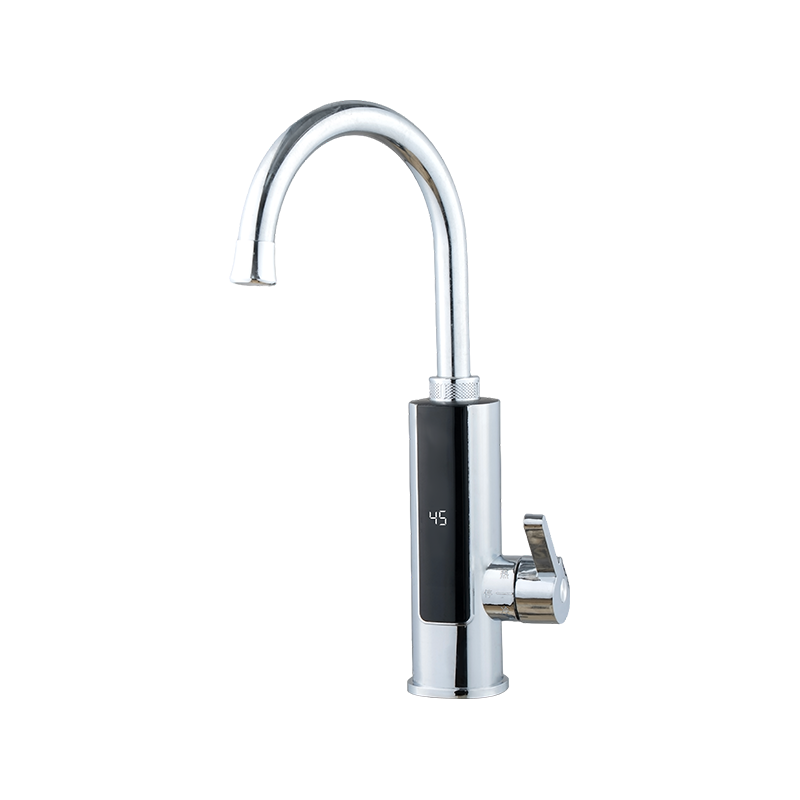
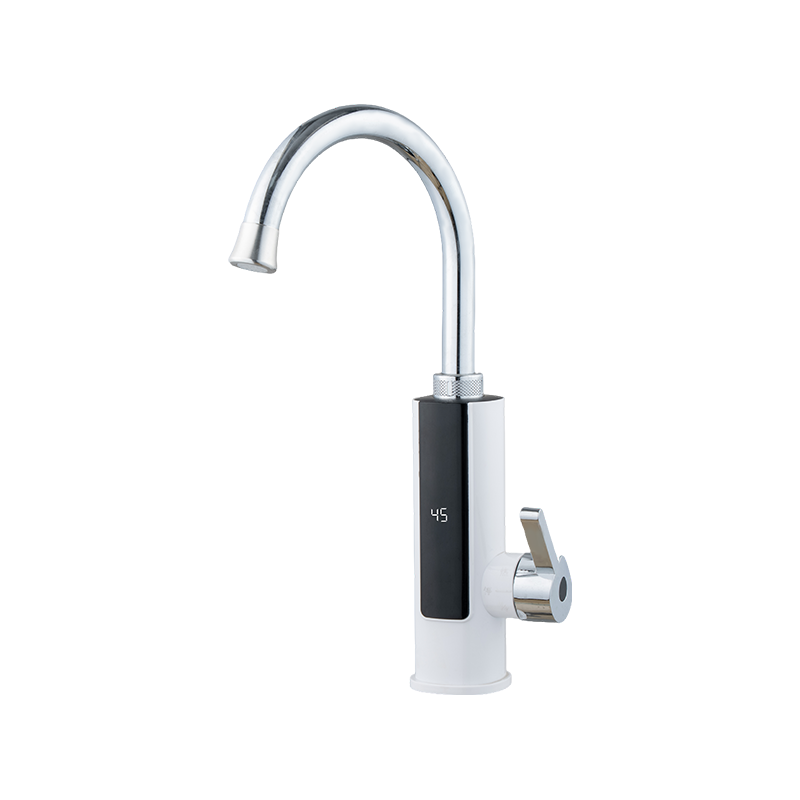
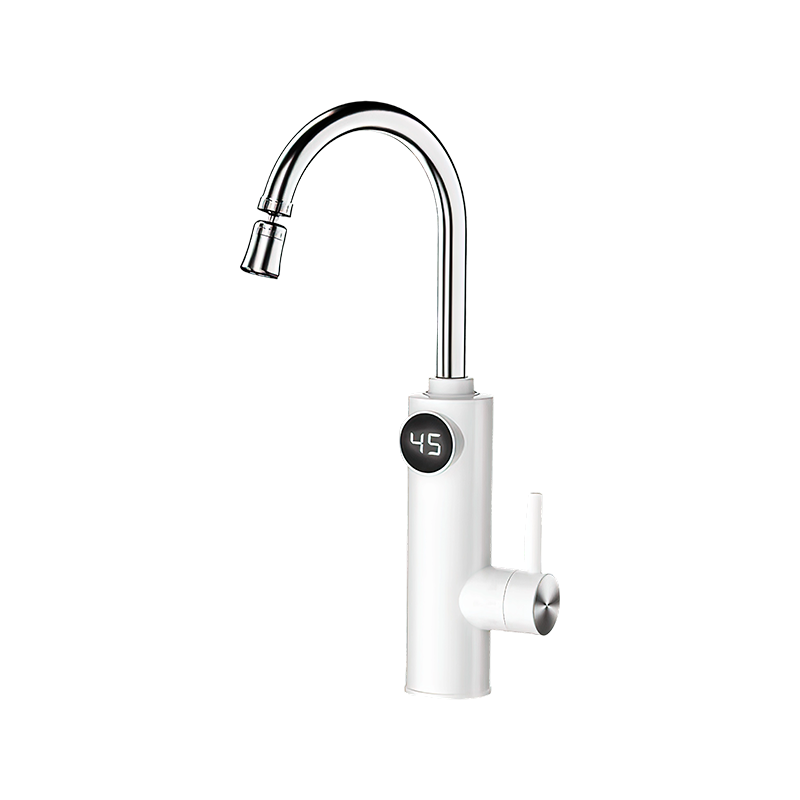
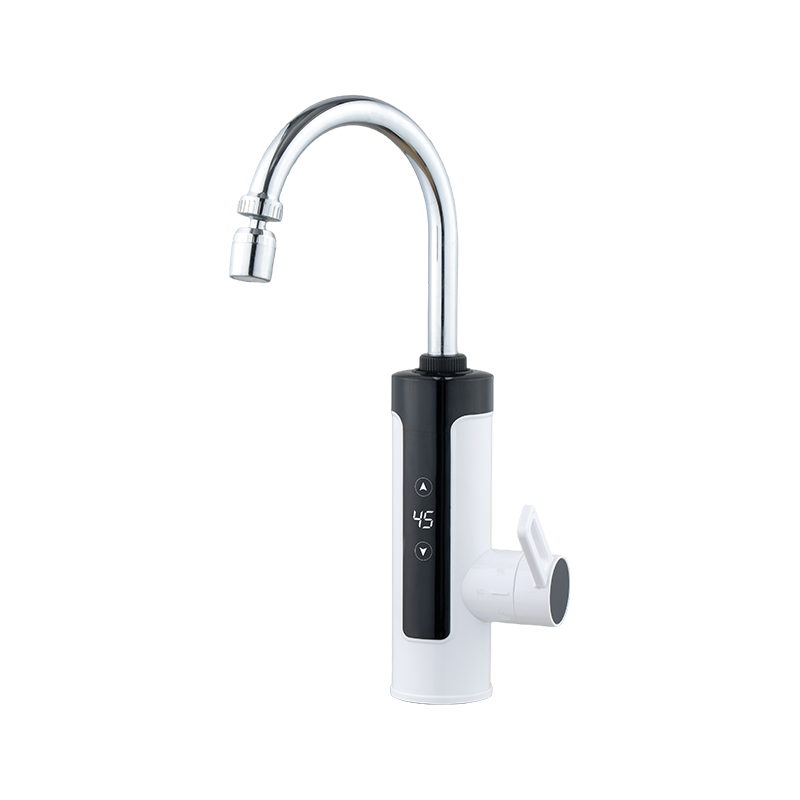



NINGBO MAITENG ELECTRIC APPLIANCE CO., LTD. integrates production and sales. The company adopts a dual model of self-management and distribution sales.
- CONTACT INFO
-
NO.8 Yaobei Avenue,Simen Town, Yuyao City, Ningbo City, Zhejiang, China
-
 +86-159 5821 2132
-
 +86-574-62178444
-
 +86-159 5821 2132
-
 [email protected]
[email protected]
-
- SCAN IT
-
Mobile terminal

