


 English
  Español
What Should You Check Before Buying a Heating Water Tap?
Date:2026-05-13
Content
- 1 Check 1: Rated Wattage — The Single Most Important Number
- 2 Check 2: Safety Certifications — Non-Negotiable Before Purchase
- 3 Check 3: Shell Material and Build Quality
- 4 Check 4: Display, Controls, and User-Facing Features
- 5 Instant Hot Tap vs Water Heater: Which Fits Your Setup?
- 6 Check 5: Installation Requirements Before You Buy
- 7 Best Instant Faucet for Winter: A Consolidated Shortlist Checklist
- 8 About NINGBO MAITENG ELECTRIC APPLIANCE CO., LTD.
- 9 Frequently Asked Questions
Before buying a heating water tap, check five things: rated wattage, safety certifications, shell material, display and control options, and installation requirements for your specific plumbing setup. Skipping any of these leaves you with a unit that either underperforms in winter, poses a safety risk, or requires costly rewiring after purchase. This guide walks through every checkpoint in practical order — from the spec sheet to the installation wall — so you can select the right electric faucet with confidence.
Top Reasons Buyers Return or Replace a Hot Water Faucet
Figure 1 — Common reasons consumers replace an instant heating tap within the first year (indicative survey data)
Check 1: Rated Wattage — The Single Most Important Number
Wattage determines how much heat the unit can add to water in a given time. For a quick heating water faucet, the relationship is straightforward: higher wattage means hotter output at the same flow rate, or the same output temperature at a higher flow rate. The practical minimum for household use in temperate climates is 2500W. For winter-heavy climates where mains water drops below 10 °C, 3000W to 3500W is the appropriate range.
A common mistake is choosing a lower-wattage unit because it fits a shared circuit without rewiring. This almost always results in the "water not hot enough in winter" complaint that tops return statistics. It is far more practical to upgrade the circuit once than to replace the tap twice.
| Use Case | Winter Inlet Temp | Recommended Wattage |
|---|---|---|
| Warm climate, hand washing only | 15–20 °C | 2000–2500W |
| Temperate climate, kitchen sink | 10–15 °C | 2500–3000W |
| Cold climate, kitchen + rinsing | 5–10 °C | 3000–3500W |
| Sub-zero climate, continuous use | Below 5 °C | 3500W+ |
Outlet Temperature (°C) by Wattage — Inlet 8 °C, Flow 3 L/min
Figure 2 — Wattage vs outlet temperature in a cold-winter scenario (inlet 8 °C, flow 3 L/min)
Check 2: Safety Certifications — Non-Negotiable Before Purchase
An instant hot tap or self heating water tap sits at the intersection of electricity and water — one of the most demanding safety environments for a domestic appliance. Certifications confirm that an independent body has tested the product against defined risk scenarios. For the European market, look for:
- CE mark — confirms compliance with the Low Voltage Directive (2014/35/EU) and EMC Directive (2014/30/EU).
- ISO9001 — indicates the manufacturer operates a verified quality management system across production, inspection, and after-sales.
- IP44 or higher — confirms wiring and connectors are splash-proof, mandatory for a wet-area installation.
- Over temperature protection circuit — not a printed label but an independently verifiable feature; ask for the OTP cutoff temperature (should be ≤75 °C) and whether it is dual-layer (electronic thermistor + thermal fuse).
Uncertified units may appear identical externally but omit the thermal fuse, use undersized wiring, or lack a proper earth connection. These are not visible defects — certification documentation is the only reliable check.
Check 3: Shell Material and Build Quality
The outer body of an ABS electric heating faucet does more than provide shape — it serves as electrical insulation, determines surface temperature during use, and resists impact and bathroom-level humidity. ABS (Acrylonitrile Butadiene Styrene) is the standard material for quality units because it is a poor thermal conductor (the casing stays cool to the touch), a good electrical insulator, and impact-resistant.
Avoid units with metal outer housings that are not clearly grounded, or those with thin plastic that flexes under hand pressure. A robust hot water faucet shell should feel solid and show no gaps at the seams where the handle meets the body — gaps are entry points for moisture and insects.
Internal Heating Core Material
The heating element itself — the core of any instant heating tap — should be ceramic-coated or manufactured from food-grade stainless steel. Both materials resist limescale adhesion and do not leach compounds into the water at the temperatures involved. Bare nichrome wire cores, common in the lowest-cost units, are prone to rapid scale build-up that shortens lifespan and increases OTP triggering frequency.
Check 4: Display, Controls, and User-Facing Features
An electric hot water tap with display provides real-time outlet temperature, OTP error codes, and in some models a child-lock indicator. These are practical safety and usability features — not luxury additions. For households with children or elderly users, visible temperature confirmation at the outlet is a meaningful risk reduction.
Beyond the display, evaluate the handle mechanism. A single-lever design that simultaneously controls flow rate and temperature delivers finer control than a simple on/off switch. Check whether the temperature range is adjustable (typically 35–55 °C on a quality electric faucet) and whether the unit includes a low-temperature mode for children or a pre-set memory for frequent users.
| Feature | Present | Absent |
|---|---|---|
| LED temperature display | Real-time outlet confirmation | User must test by feel |
| OTP error code | Instant fault diagnosis | Fault appears as "no hot water" |
| Adjustable temp range | Suitable for all household members | Fixed output only |
| Child lock | Scald prevention for children | Relies on adult supervision only |
Instant Hot Tap vs Water Heater: Which Fits Your Setup?
The Instant Hot Tap vs Water Heater choice is not purely about performance — it is also about your existing infrastructure. Before buying an instant hot water tap for kitchen use, map your current setup against these practical questions:
- Do you need hot water at one outlet or multiple? An instant tap serves a single point. A storage heater feeds an entire home.
- Is cabinet space under the sink limited? An instant tap installs in the sink hole itself and requires no tank. A tankless heater still needs a wall-mount location.
- How often is hot water used continuously? An instant tap maintains temperature indefinitely during flow; it does not "run out" the way a storage tank can during high-demand periods.
- What is your priority — speed or capacity? An energy saving hot water tap wins on speed (3–5 seconds to usable temperature) and zero standby loss. A storage heater wins on simultaneous multi-outlet supply.
Cumulative Weekly Energy Use (kWh) — Instant Tap vs Storage Heater
Figure 3 — Cumulative 7-day energy consumption for a family of three at a single kitchen outlet
Check 5: Installation Requirements Before You Buy
Understanding how to install a heating faucet before purchase prevents the most common post-purchase surprises. Inspect your current plumbing and electrical setup against the following checklist:
- Sink hole diameter: most instant taps fit a standard 35–38 mm hole. Measure before ordering.
- Dedicated circuit availability: a 3000W+ unit requires its own 16A or 20A breaker with RCD (30 mA) protection. Confirm this exists or budget for an electrician.
- Minimum water pressure: check the product specification for minimum inlet pressure (commonly 0.02–0.05 MPa). Low-pressure supplies in rural or high-rise settings may require a pressure-boosting adapter.
- Cold-only supply under sink: an instant tap requires only a cold water inlet — no hot supply connection. Confirm your under-sink plumbing has an accessible cold isolation valve.
- Cable routing distance: measure from the under-sink power socket to the tap mounting point. Manufacturer-supplied cables are typically 1.2–1.5 m. Extensions in wet areas are not safe; the socket must be repositioned if too far.
Pre-Purchase Checklist Completion — Prepared vs Unprepared Buyers
Figure 4 — Pre-purchase readiness radar across the five key check areas (indicative, 0–100%)
Best Instant Faucet for Winter: A Consolidated Shortlist Checklist
Finding the best instant faucet for winter use means passing every item on the following list before adding a unit to your order. Print or save this as a reference when comparing products:
- Rated wattage 3000W or above for climates with winter inlet water below 10 °C.
- CE certification confirmed by documentation, not just label.
- Dual-layer OTP: electronic thermistor cutoff at ≤75 °C plus a physical thermal fuse.
- ABS or food-grade PP shell with no visible seam gaps.
- LED temperature display with OTP error code readout.
- Minimum inlet pressure compatible with your supply (check local mains pressure if unsure).
- Manufacturer after-sales support: spare parts, replacement thermistor, and descaling guidance available.
- ISO9001-certified production — assurance that quality control is systematic, not batch-by-batch.
About NINGBO MAITENG ELECTRIC APPLIANCE CO., LTD.
Established in 2011, NINGBO MAITENG ELECTRIC APPLIANCE CO., LTD. has dedicated over a decade to the electric water heating faucet sector. The company is ISO9001 and CE certified, operates a 10,000 square metre facility, employs 200 staff, and delivers an annual output of 2 million units across sales, e-commerce, production, after-sales, warehousing, and quality inspection departments.
Strategic partnerships with renowned domestic brands including Arrow, Konka, Sacon, Sunrain, and Royalstar sit alongside the company's own brands — Dongri Le and Aituosheng. In March 2019, the HELLO DREAM brand was launched, operated through a dual model combining self-operation and distribution across 4 Tmall stores, 5 Pinduoduo stores, 2 Taobao enterprise stores, and 1 Alibaba wholesale platform. A foreign trade department launched in 2023 now serves international buyers directly.
Products are built on the foundation of "quality first", guided by the company slogan "Fast and hot life starts with me." Factory visits are welcomed, and the team looks forward to exploring opportunities with partners worldwide.
Frequently Asked Questions
Q1. Can I install a heating water tap myself, or do I need a plumber?
A: The plumbing side — fitting the tap body, connecting the cold water hose — is within DIY capability for most homeowners with basic tools. The electrical side is more critical: a 3000W+ unit must connect to a dedicated, correctly rated circuit with RCD protection. If that circuit does not already exist, a licensed electrician must install it. Attempting to connect a high-draw instant heating tap to an undersized shared circuit is one of the most common and avoidable installation errors.
Q2. How does a self heating water tap differ from a standard cold tap with an inline heater?
A: A self heating water tap contains the heating chamber, controls, and safety circuits within the faucet body itself. An inline heater is a separate box installed in the supply line, connected to a standard cold tap. The integrated design of an instant tap is more compact, eliminates an additional plumbing joint (a potential leak point), and allows the temperature display and controls to sit at the point of use rather than under the cabinet.
Q3. Does an energy saving hot water tap actually reduce my electricity bill compared to a storage heater?
A: For single-outlet kitchen or bathroom use, an energy saving hot water tap typically consumes 65–75% less electricity than a storage heater serving the same outlet. The saving comes from zero standby loss: the instant tap draws no power when water is not flowing. A storage heater maintains tank temperature 24 hours a day regardless of demand, consuming 0.8–1.5 kWh daily in standby heat loss alone.
Q4. What is the lifespan of an ABS electric heating faucet?
A: A CE-certified ABS electric heating faucet with a ceramic or stainless-steel heating core is typically rated for 10,000–15,000 operating hours. For a household using the tap 22 minutes per day, that equates to 8–12 years before the core may require attention. Regular descaling in hard-water areas (every 6–12 months) is the single maintenance action most likely to achieve the upper end of that range.
Q5. Is an electric hot water tap with display worth the premium over a basic model?
A: For households with children, elderly users, or anyone unfamiliar with the unit, yes. An electric hot water tap with display provides temperature confirmation before water reaches hands or food. It also shows OTP error codes that allow quick fault diagnosis rather than guessing whether the issue is electrical, a blocked aerator, or a scale build-up. The display adds meaningful safety and diagnostic value, not just convenience.
Q6. How do I confirm a quick heating water faucet will be hot enough in winter before buying?
A: Ask the supplier or manufacturer for the outlet temperature specification at your estimated winter inlet temperature and your preferred flow rate. For example: "At 8 °C inlet and 3 L/min flow, what is the outlet temperature at rated wattage?" A reputable supplier of a quick heating water faucet will provide this figure from test data. If the answer is vague or absent, treat that as a red flag regarding product quality and documentation standards.
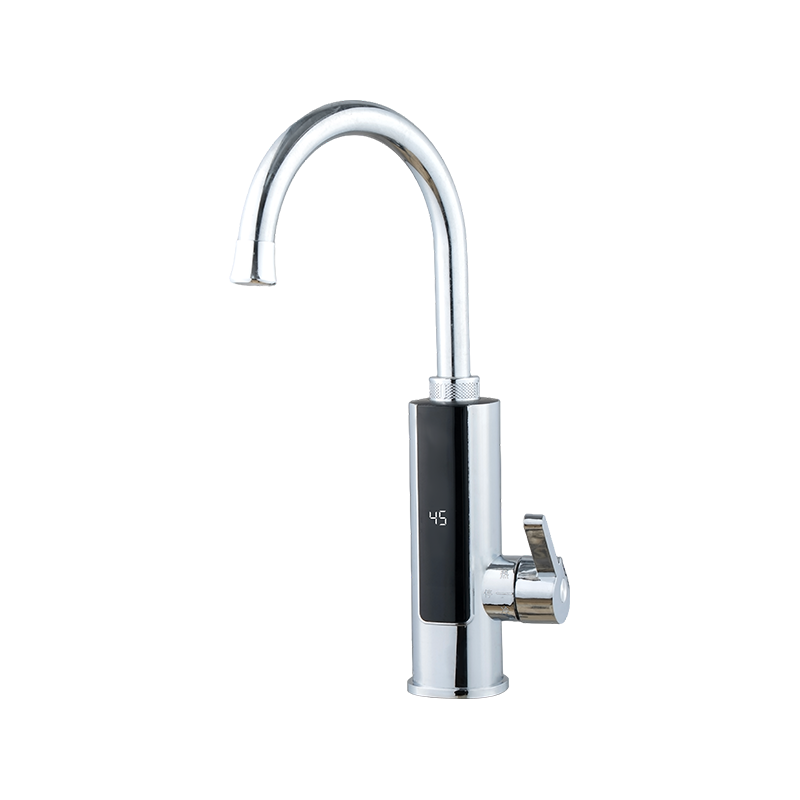
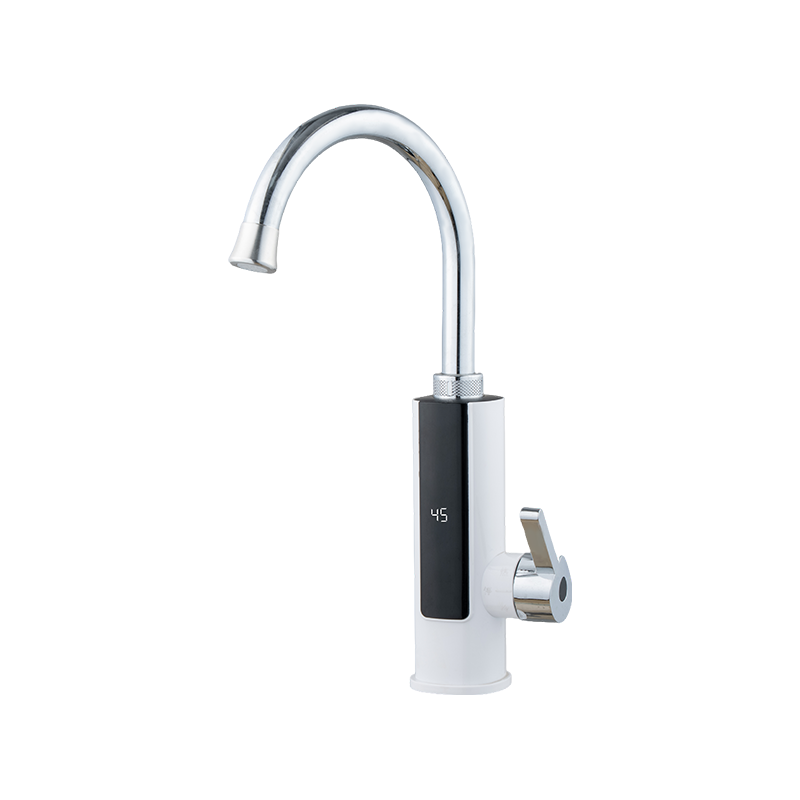
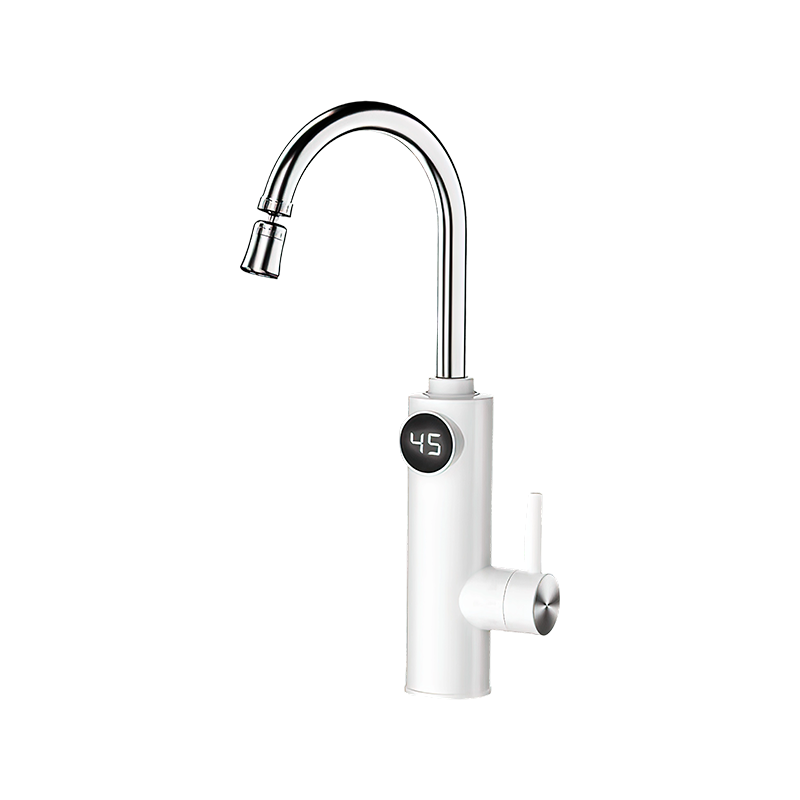
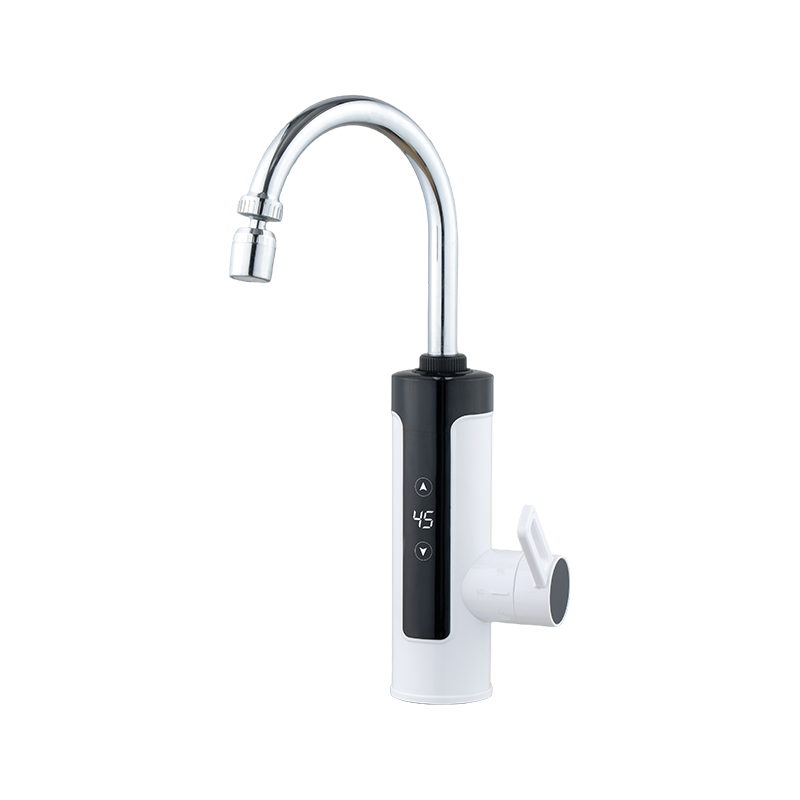



NINGBO MAITENG ELECTRIC APPLIANCE CO., LTD. integrates production and sales. The company adopts a dual model of self-management and distribution sales.
- CONTACT INFO
-
NO.8 Yaobei Avenue,Simen Town, Yuyao City, Ningbo City, Zhejiang, China
-
 +86-159 5821 2132
-
 +86-574-62178444
-
 +86-159 5821 2132
-
 [email protected]
[email protected]
-
- SCAN IT
-
Mobile terminal

