


 English
  Español
Are electric hot water taps any good?
Date:2026-03-18
Content
- 1 How Electric Hot Water Taps Actually Work
- 2 Key Benefits That Make Them Worth Considering
- 3 Honest Drawbacks to Be Aware Of
- 4 Energy Use Compared: Hot Water Tap vs Kettle
- 5 Safety Features: Are They Safe to Use?
- 6 What to Look for When Choosing One
- 7 Who Benefits Most from an Electric Hot Water Tap
- 8 Installation and Maintenance: What to Expect
- 9 The Verdict: Are Electric Hot Water Taps Worth It?
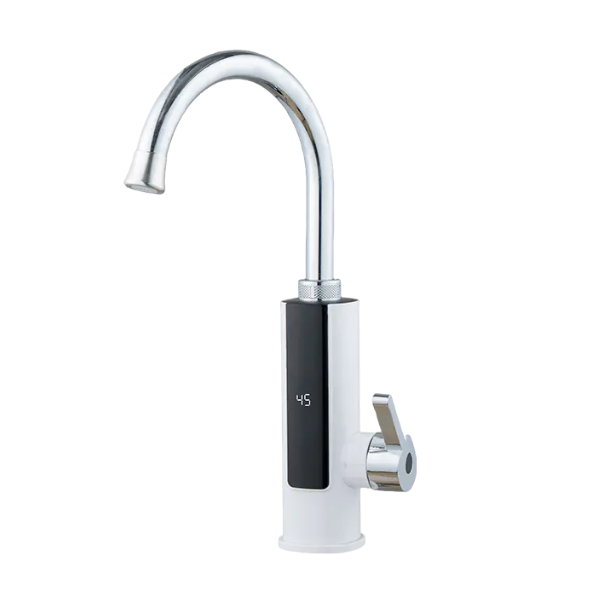
Yes, electric hot water taps are genuinely good — and for many households, they are a worthwhile upgrade. They deliver near-instant boiling or hot water directly from the tap, eliminating the wait time of a traditional kettle or water heater. However, whether they are the right choice depends on your usage habits, kitchen layout, and how much value you place on convenience versus upfront cost. This article breaks down everything you need to know to make an informed decision.
How Electric Hot Water Taps Actually Work
Electric hot water taps are connected to a compact under-sink tank, typically ranging from 1.5 to 4 litres, that keeps water at a set temperature — usually around 98°C for boiling models or adjustable between 50°C and 98°C for multi-temperature versions. When you turn the tap, hot or boiling water is delivered instantly without heating a full kettle.
Most models require both a mains cold water connection and a nearby electrical outlet. Installation typically involves a plumber and an electrician if a dedicated socket is not already in place. The tank heats water continuously on standby, which is an important factor when assessing energy use.
Key Benefits That Make Them Worth Considering
Instant Access to Boiling Water
The headline benefit is speed. Rather than waiting 2–3 minutes for a kettle to boil, you get boiling water in under 5 seconds. For households that make multiple hot drinks or cook with boiling water regularly — pasta, blanching vegetables, making soups — this time saving adds up considerably over a week.
Reduced Water Waste
Traditional kettles are typically overfilled. Studies have found that over 40% of kettle users boil more water than they need each time. A hot water tap dispenses only what you use, which reduces both water and energy waste simultaneously.
Cleaner Counter Space
Removing a kettle from the worktop frees up meaningful space, especially in smaller kitchens. Many users also find the integrated tap design more aesthetically pleasing than a bulky appliance sitting on the counter.
Temperature Flexibility
Many modern models offer adjustable temperature settings, making them useful for green tea (around 80°C), baby formula (below 70°C), or filtered drinking water at room temperature. Some units combine boiling, hot, and filtered cold water in a single tap.
Honest Drawbacks to Be Aware Of
- Higher upfront cost: Installation and the unit itself represent a significant initial investment compared to buying a kettle.
- Standby energy use: The tank keeps water hot continuously. While modern units are well insulated, standby consumption is a real ongoing cost, particularly if you use boiling water infrequently.
- Professional installation required: Unlike a kettle, you cannot simply plug it in and use it. Plumbing and electrical work add to the total cost and complexity.
- Tank capacity limits: A 2.4-litre tank produces a finite amount of boiling water before needing time to reheat. For large gatherings, a kettle may still be more practical.
- Maintenance and filter replacement: Most units require descaling and periodic filter changes, adding a small but ongoing maintenance commitment.
Energy Use Compared: Hot Water Tap vs Kettle
This is where the picture is nuanced. A hot water tap can be more energy-efficient than a kettle if you use boiling water multiple times per day, because it avoids repeatedly heating a full kettle. However, for low-frequency users, the standby energy cost of keeping the tank warm can exceed the savings.
| Factor | Electric Hot Water Tap | Traditional Kettle |
|---|---|---|
| Water heated per use | Exact amount needed | Often overfilled |
| Standby energy | Continuous (tank insulation reduces this) | None |
| Best for heavy users | More efficient | Less efficient |
| Best for light users | Standby cost dominates | Lower overall energy |
| Time to boiling water | Under 5 seconds | 2–3 minutes |
As a general rule, households that use boiling water more than 4–5 times per day are likely to see energy savings with a hot water tap compared to a frequently reboiled kettle.
Safety Features: Are They Safe to Use?
Safety is a common concern given that these taps dispense water at or near 100°C. Reputable models include several protective features:
- Spring-loaded or dual-action handles that require a deliberate two-step action to activate, preventing accidental scalding.
- Insulated or heat-resistant tap bodies that remain cool to the touch on the outside.
- Child-safety locks on some models for family households.
- Automatic shut-off and overheat protection built into the under-sink tank.
When used correctly following the manufacturer's instructions, electric hot water taps are considered as safe as, or safer than, a traditional kettle — because there is no carrying of heavy boiling water involved.
What to Look for When Choosing One
Not all electric hot water taps are created equal. Here are the most important specifications to evaluate:
- Tank capacity: A 2–2.5 litre tank suits most households; larger families or office use may need 3–4 litres.
- Temperature range: Look for adjustable settings if you want versatility beyond just boiling.
- Filtration: Many models include built-in water filters, which improve taste and reduce limescale — particularly valuable in hard water areas.
- Flow rate: Check how quickly the tap dispenses water, typically measured in litres per minute.
- Cold water function: Some 3-in-1 or 4-in-1 taps also handle regular cold and filtered cold water, replacing your existing mixer tap entirely.
- Standby power consumption: Look for units with good insulation ratings to keep ongoing running costs low.
Who Benefits Most from an Electric Hot Water Tap
Electric hot water taps are not the right fit for everyone. Based on typical usage patterns, here is a clear breakdown:
| User Type | Likely Benefit |
|---|---|
| Frequent tea or coffee drinkers (4+ cups/day) | High — saves time and energy daily |
| Home cooks who boil water regularly | High — faster cooking prep |
| Small kitchen owners | Medium — frees up counter space |
| Households in hard water areas | Medium — built-in filtration helps |
| Occasional hot drink users (1–2 cups/day) | Low — standby costs may outweigh benefits |
| Renters or those who move frequently | Low — installation investment hard to recoup |
Installation and Maintenance: What to Expect
Installation typically takes 1–3 hours and involves connecting the under-sink tank to your water supply and an electrical socket. In most cases, you will need a qualified tradesperson to ensure safe and code-compliant installation, especially if cabinetry modifications or new electrical sockets are required.
Ongoing maintenance includes:
- Descaling the tank every 3–6 months, depending on water hardness in your area.
- Replacing the water filter cartridge roughly every 6 months (if your model includes one).
- Periodically checking connections for any minor leaks around fittings.
The maintenance burden is low, but it is not zero. Neglecting descaling in particular can shorten the lifespan of the unit and reduce efficiency over time.
The Verdict: Are Electric Hot Water Taps Worth It?
For high-frequency users, electric hot water taps are absolutely worth it. The combination of convenience, reduced water waste, and the elimination of counter clutter makes them a compelling kitchen upgrade. The time saved and the daily quality-of-life improvement are tangible for busy households or keen home cooks.
For lower-frequency users, the maths are less compelling. If you only boil water once or twice a day, a high-quality kettle remains a perfectly efficient and far less expensive solution. The standby energy cost of a hot water tap will likely outweigh the convenience gained at that usage level.
In summary: electric hot water taps are a genuinely good product — but they are best suited to households that will use them heavily enough to justify the investment.
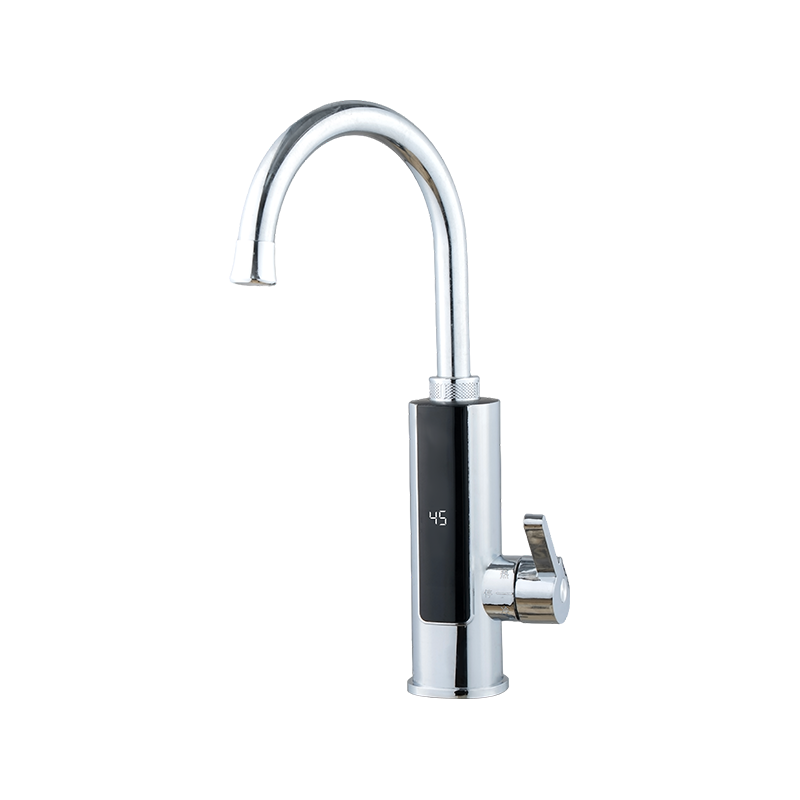
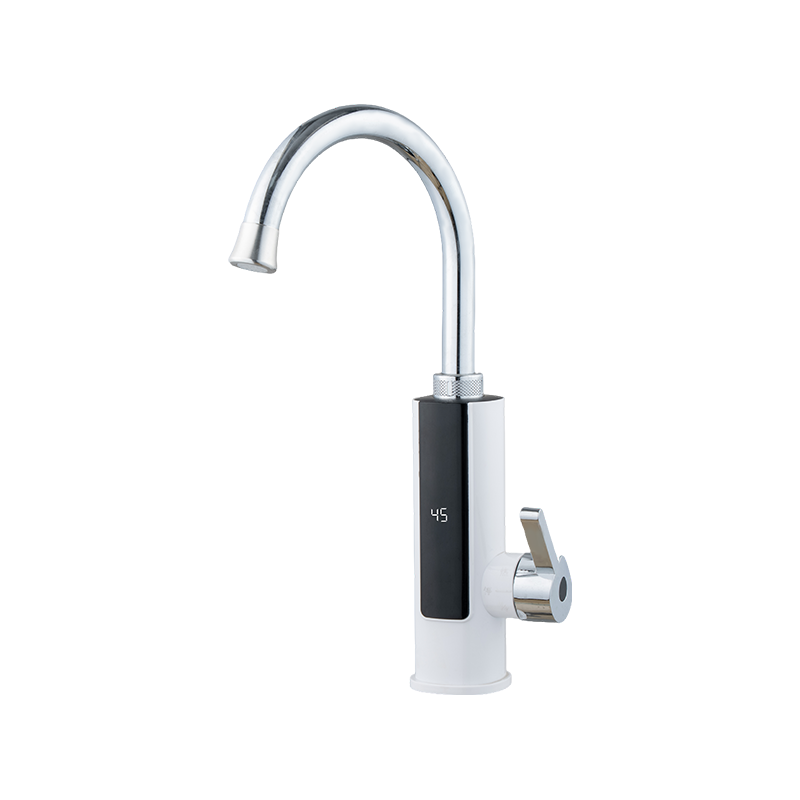
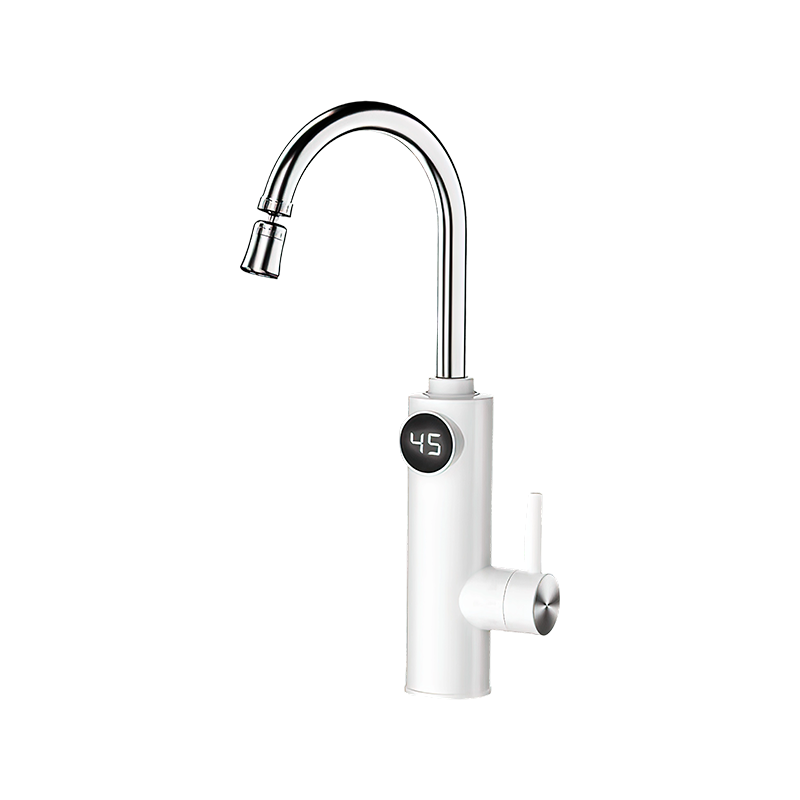



NINGBO MAITENG ELECTRIC APPLIANCE CO., LTD. integrates production and sales. The company adopts a dual model of self-management and distribution sales.
- CONTACT INFO
-
NO.8 Yaobei Avenue,Simen Town, Yuyao City, Ningbo City, Zhejiang, China
-
 +86-159 5821 2132
-
 +86-574-62178444
-
 +86-159 5821 2132
-
 [email protected]
[email protected]
-
- SCAN IT
-
Mobile terminal

