


 English
  Español
What is an Instant electric Bathroom faucet?
Date:2026-03-10
Content
- 1 How Does an Instant Electric Bathroom Faucet Work?
- 2 Key Features of a Modern Instant Electric Bathroom Faucet
- 3 Safety Protections Built Into Instant Electric Faucets
- 4 Instant Electric Faucet vs Traditional Water Heater: Key Differences
- 5 Energy Efficiency and Environmental Benefits
- 6 Space-Saving Design: Why It Matters for Modern Bathrooms
- 7 Installation and Electrical Requirements
- 8 Who Should Consider an Instant Electric Bathroom Faucet?
- 9 Limitations to Be Aware Of
- 10 Summary: Is an Instant Electric Bathroom Faucet Worth It?
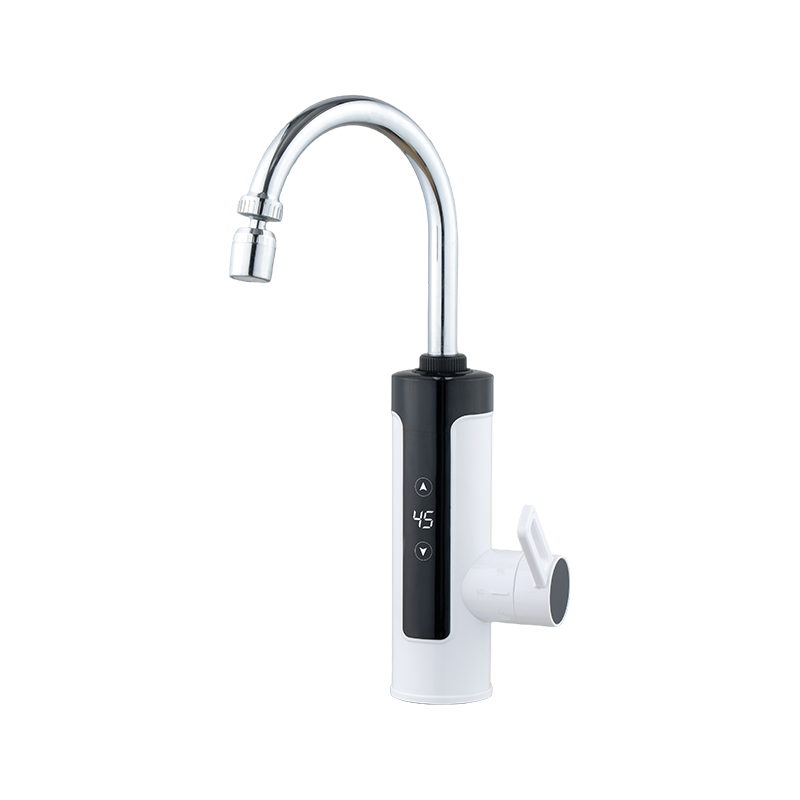
An instant electric bathroom faucet is a self-contained, high-powered water heater built directly into the faucet unit. Unlike traditional water heating systems that store hot water in a tank and heat it in advance, an instant electric faucet heats water on demand — the moment you turn it on — using an internal heating element. Hot water is delivered within seconds, with no waiting and no storage tank required.
This type of faucet is designed primarily for bathroom sinks and is increasingly used as a space-saving, energy-efficient alternative to conventional water heaters in both residential and small commercial settings.
How Does an Instant Electric Bathroom Faucet Work?
The heating mechanism is straightforward and efficient:
- Cold water enters the faucet through the standard water supply line.
- As the water passes through the faucet body, it flows over or around a compact electric heating element.
- The heating element — powered directly from your home's electrical supply — rapidly raises the water temperature.
- Hot water exits the spout within seconds of activation, at the temperature you have selected.
- When the faucet is turned off, the heating element automatically powers down, consuming zero standby energy.
Most instant electric bathroom faucets operate at a power range of 2.5 kW to 5.5 kW, which is sufficient to heat water for handwashing and light bathroom use quickly and consistently.
Key Features of a Modern Instant Electric Bathroom Faucet
Today's instant electric faucets offer a well-rounded set of features that make them practical for daily bathroom use:
High-Speed Heating
The integrated heating element brings cold water to a usable warm temperature in just 3 to 5 seconds after activation. There is no need to let the tap run while waiting for hot water to travel from a distant tank — the heat is generated at the point of use.
Digital Temperature Display
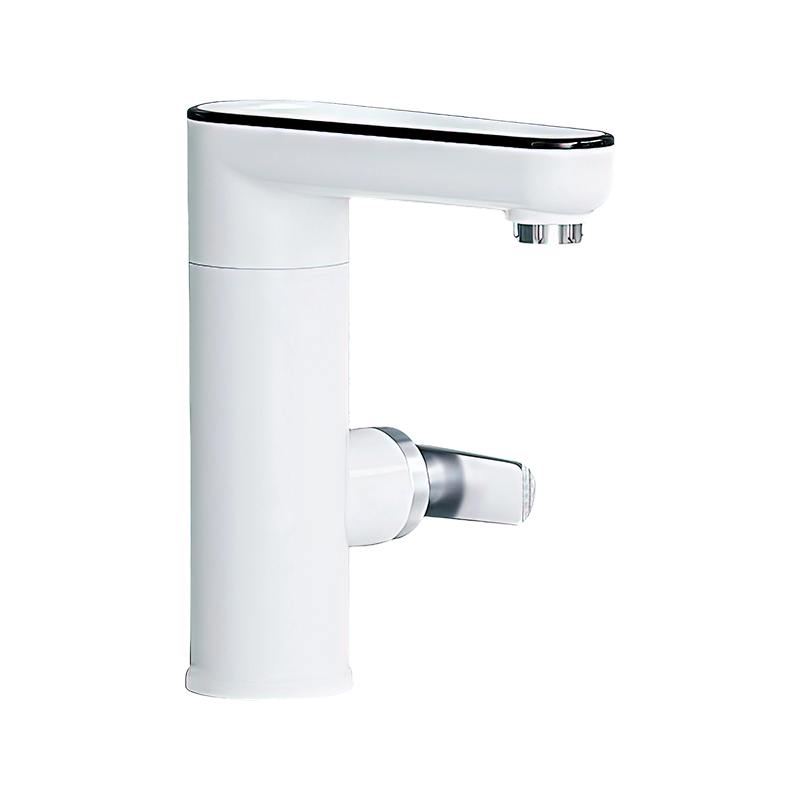
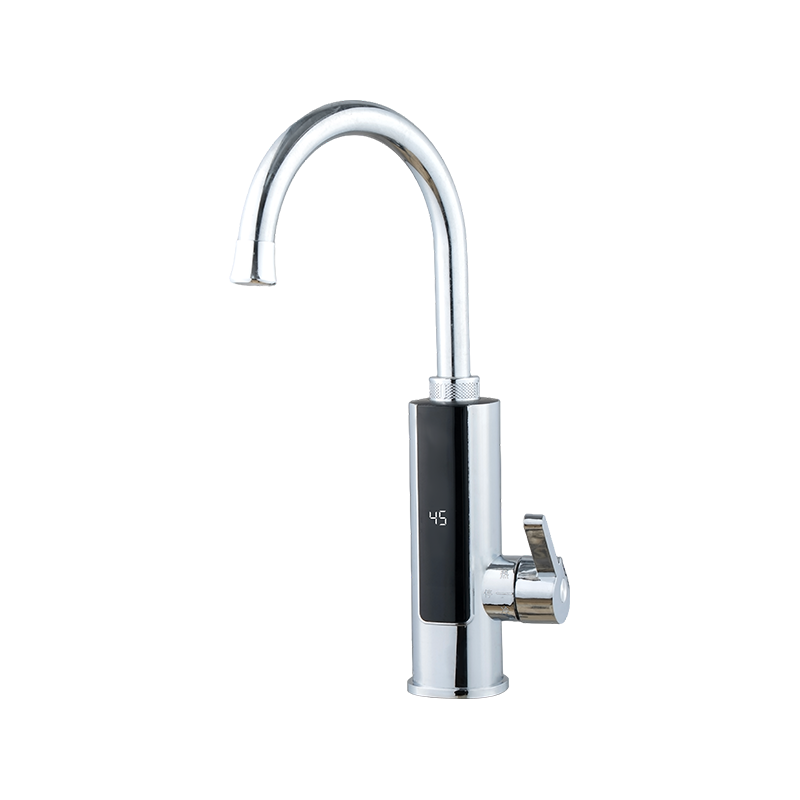
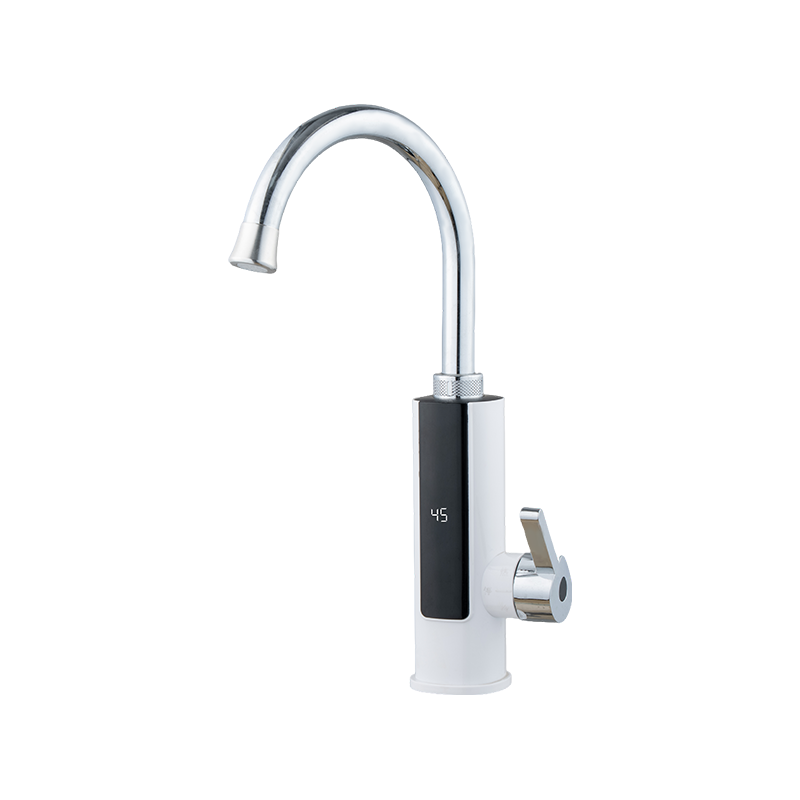
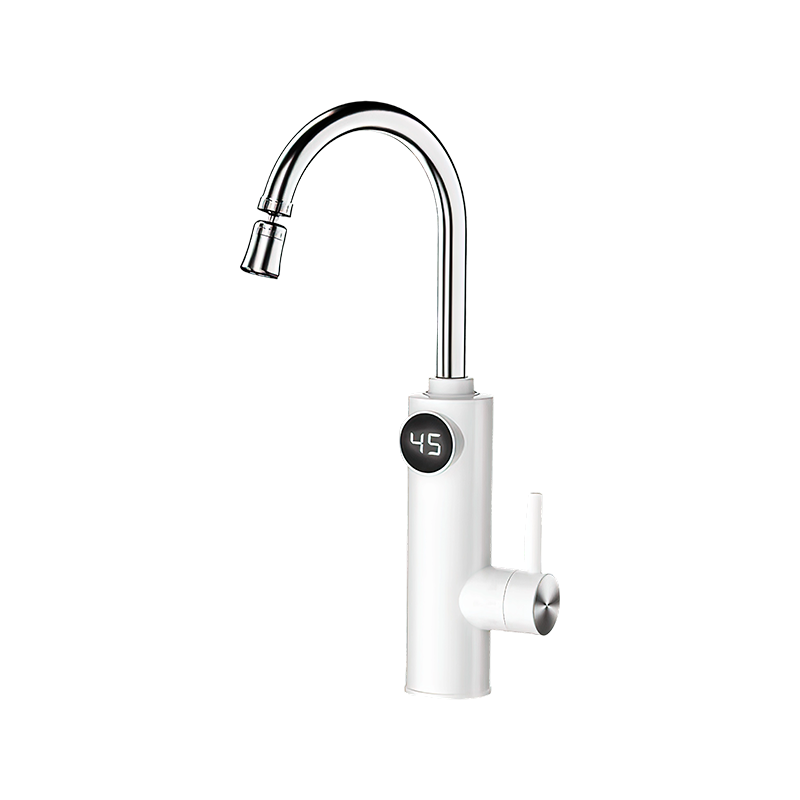
Many models feature an LED digital display on the faucet body that shows the current water temperature in real time. This allows users to see exactly what temperature water is flowing before they touch it, which is particularly useful for households with young children or elderly users who are more sensitive to heat.
Hot and Cold Water Switching
Instant electric faucets function as a 2-in-1 system: they dispense both standard cold water and electrically heated hot water from a single unit. Switching between the two is simple and immediate, controlled by the same handle or switch used for standard faucets.
Durable, Impact-Resistant Construction
Quality instant electric faucets are built with high-grade, eco-friendly ABS (Acrylonitrile Butadiene Styrene) materials, which are both lightweight and highly resistant to impact and aging. This ensures that the product retains its integrity and appearance over years of regular use in a humid bathroom environment.
Safety Protections Built Into Instant Electric Faucets
Because these faucets combine electricity and water in close proximity, safety engineering is critical. Reputable models incorporate multiple layers of protection:
- Leakage protection: An internal circuit breaker cuts power immediately if any electrical leakage is detected, preventing shock risk.
- IPX4 waterproof rating: The electrical components are sealed to withstand water splashing from any direction, meeting the international IPX4 waterproofing standard.
- Dry heating protection: If the faucet is switched on without water flowing through it, sensors detect the absence of water and automatically prevent the heating element from activating, avoiding overheating or damage.
- Water-flow isolation: The electrical circuit and the water pathway are completely separated within the faucet body, ensuring that electricity never comes into direct contact with the water supply.
- Auto power-off when inactive: If the faucet is left on without active water flow, the system automatically shuts off power, preventing energy waste and potential hazards.
- Over-temperature automatic power-off: If the water temperature exceeds a pre-set safety threshold, the unit cuts power automatically, preventing scalding and protecting the heating element from thermal damage.
Together, these protections make the instant electric faucet safe for everyday use in household bathrooms, including homes with children and older adults.
Instant Electric Faucet vs Traditional Water Heater: Key Differences
Understanding how an instant electric faucet differs from a conventional storage tank heater helps clarify which solution suits your situation best:
| Feature | Instant Electric Faucet | Traditional Tank Heater |
|---|---|---|
| Hot water delivery | Within 3–5 seconds | 30 seconds to several minutes |
| Water storage required | No | Yes (20–80+ liters) |
| Standby heat loss | None (heats only on demand) | Continuous — 2 to 4× higher loss |
| Space required | Minimal — faucet only | Large tank, dedicated space |
| Installation complexity | Low — replaces standard faucet | High — plumbing and tank setup |
| Maintenance | Very low | Regular flushing, anode replacement |
| CO₂ emissions | Lower (no standby heating) | Higher (constant reheating) |
| Best suited for | Bathroom sink, handwashing | Whole-home hot water supply |
Studies on point-of-use instant heaters show that eliminating standby heat loss can reduce water heating energy consumption by 2 to 4 times compared to a traditional storage tank system, resulting in meaningful savings on utility bills over time.
Energy Efficiency and Environmental Benefits
One of the strongest arguments for the instant electric bathroom faucet is its environmental profile:
- Zero standby energy loss: A tank heater must maintain a large volume of water at temperature around the clock. An instant faucet only draws power when water is actively flowing — the moment you close the tap, energy consumption drops to zero.
- No water waste: Because hot water is generated at the tap, there is no cold water run-off while waiting for hot water to arrive from a distant tank. This can save several liters of water per day in a typical household.
- Lower CO₂ emissions: Reduced energy consumption directly translates to a lower carbon footprint, making instant electric faucets a genuinely green solution for home hot water needs.
- Eco-friendly materials: The ABS housing used in quality instant faucets is recyclable and free from harmful substances, adding to the product's environmental credentials.
Space-Saving Design: Why It Matters for Modern Bathrooms
Traditional water heaters require a dedicated storage tank — often occupying 0.3 to 0.6 square meters of floor or wall space, plus clearance for maintenance access. In smaller apartments, compact bathrooms, or homes where tank placement is impractical, this can be a significant constraint.
An instant electric bathroom faucet eliminates this entirely. The entire heating system is contained within the faucet body itself — no tank, no additional pipework, no dedicated storage space. Installation is comparable to replacing a standard faucet, and the freed-up space can be repurposed for storage, cabinetry, or simply left open for a cleaner bathroom layout.
This makes the instant electric faucet an especially practical solution for:
- Studio apartments and small homes with limited utility space
- Bathroom renovations where adding new tank plumbing would be disruptive or expensive
- Secondary bathrooms or guest bathrooms that do not need a full hot water supply system
- Office restrooms and small commercial washrooms
Installation and Electrical Requirements
Installing an instant electric bathroom faucet is straightforward compared to fitting a tank heater, but there are important electrical requirements to consider:
Dedicated Electrical Circuit
Because instant electric faucets draw 2.5 kW to 5.5 kW of power during operation, they typically require a dedicated circuit — separate from general bathroom lighting and socket circuits — to avoid tripping breakers. In most homes, a qualified electrician can install this circuit in a short visit.
Earthing and RCD Protection
Proper earthing and connection to a Residual Current Device (RCD) are essential for safe operation. Most modern homes already have RCD protection on bathroom circuits; if yours does not, this should be addressed before installation.
Water Supply Connection
The faucet connects to the cold water supply only — there is no need for a separate hot water pipe. This simplifies the plumbing considerably, especially in renovations where running new hot water lines would be costly or structurally invasive.
Who Should Consider an Instant Electric Bathroom Faucet?
This type of faucet is an excellent fit for a specific set of users and situations:
| User / Situation | Why It's a Good Fit |
|---|---|
| Small apartment dwellers | No tank needed, frees up limited space |
| Eco-conscious homeowners | Reduces energy use and CO₂ emissions significantly |
| Renovation projects | Easy installation without new hot water pipe runs |
| Families with children or elderly members | Digital display and auto-shutoff prevent scalding |
| Secondary or guest bathrooms | Provides hot water without extending tank system |
| Office or commercial washrooms | Low-maintenance, instant hot water for hand hygiene |
Limitations to Be Aware Of
An instant electric bathroom faucet is not a replacement for a whole-home hot water system. Understanding its limitations helps set realistic expectations:
- Flow rate vs temperature trade-off: The heating power is fixed, so at higher flow rates, the water temperature will be lower. For the best results, use at a moderate flow rate suited to handwashing rather than filling a basin quickly.
- Not designed for showers or bathtubs: The power output of a bathroom faucet model is optimized for sink use. Whole-shower instant heaters are separate, higher-powered products.
- Electrical upgrade may be needed: Older homes with outdated wiring or insufficient amperage on the bathroom circuit may require electrical work before installation.
- Water pressure dependency: Performance can vary with changes in incoming water pressure. A minimum pressure of around 0.05 MPa is typically required for the heater to activate correctly.
Summary: Is an Instant Electric Bathroom Faucet Worth It?
For bathroom sink use, the instant electric bathroom faucet offers a compelling combination of convenience, energy efficiency, safety, and space savings that traditional tank heaters cannot match in this specific application. Hot water in seconds, zero standby waste, a compact footprint, and multiple built-in safety protections make it a practical and forward-thinking upgrade for modern bathrooms.
If your priority is instant hot water at the bathroom sink — with lower running costs and without the complexity of a tank system — an instant electric bathroom faucet is one of the most efficient and low-maintenance solutions currently available.



NINGBO MAITENG ELECTRIC APPLIANCE CO., LTD. integrates production and sales. The company adopts a dual model of self-management and distribution sales.
- CONTACT INFO
-
NO.8 Yaobei Avenue,Simen Town, Yuyao City, Ningbo City, Zhejiang, China
-
 +86-159 5821 2132
-
 +86-574-62178444
-
 +86-159 5821 2132
-
 [email protected]
[email protected]
-
- SCAN IT
-
Mobile terminal

