


 English
  Español
What Is a Smart Electric Water Faucet and How Does It Work?
Date:2026-04-02
Content
- 1 What Is a Smart Electric Water Faucet: The Direct Answer
- 2 How a Smart Electric Water Faucet Works: The Internal Mechanism
- 3 Smart Features That Distinguish Advanced Models
- 4 Energy Efficiency: How Smart Faucets Reduce Hot Water Energy Consumption
- 5 Installation Requirements and What to Prepare
- 6 Applications Across Residential and Commercial Settings
- 7 What to Look for When Sourcing from a Smart Electric Water Faucet Factory
- 8 About NINGBO MAITENG ELECTRIC APPLIANCE CO., LTD.
- 9 Frequently Asked Questions
What Is a Smart Electric Water Faucet: The Direct Answer
A Smart Electric Water Faucet is a self-contained instant water heating device that combines a water outlet faucet with an integrated electric heating element, a temperature control system, and increasingly, smart sensing or digital display technology — all within a single compact unit installed directly at the point of use. Unlike traditional water heaters that store and maintain a tank of pre-heated water, a smart electric faucet heats water on demand as it flows through the heating chamber, delivering warm or hot water within 3–5 seconds of activation.
The core value proposition is straightforward: no waiting, no hot water waste, no storage tank, and no heat loss over time. These characteristics make smart electric water faucets the preferred solution for kitchens, washrooms, and small bathrooms where installing a centralized hot water system is impractical or inefficient. Leading suppliers — from a dedicated Smart Electric Water Faucet manufacturer to a full-scale Smart Electric Water Faucet exporter — produce units ranging from basic single-temperature models to digitally controlled faucets with LCD displays, precise temperature setting, and child safety locks.
How a Smart Electric Water Faucet Works: The Internal Mechanism
Understanding the internal working principle clarifies why these units deliver hot water almost instantly and why they are safe to use in wet environments. The heating cycle involves several integrated systems operating in sequence:
Water Flow Activation
When the user opens the faucet handle or touches the control panel, water begins flowing from the cold supply line into the faucet body. In smart models, a flow sensor or water pressure switch detects this incoming flow and triggers the heating element to activate simultaneously. This prevents the heating element from operating without water present — a fundamental safety design that eliminates dry-burn risk.
Instant Heating Chamber
Water passes through a compact heating chamber — typically made from food-grade stainless steel or copper — where a resistive heating element rapidly raises the water temperature. The chamber volume is small by design, usually 50–150 ml, which is why heating is near-instantaneous. The heating element power rating determines the maximum temperature rise achievable at a given flow rate: most residential units are rated between 2,500W and 6,500W.
Temperature Regulation and Sensing
A thermistor or NTC (Negative Temperature Coefficient) sensor continuously monitors the water temperature at the outlet. This signal feeds back to the electronic control board, which modulates the heating element's power output to maintain the user-set temperature. In advanced smart models, an LCD panel displays the real-time outlet temperature in degrees Celsius, and the user can adjust the target temperature in 1°C increments — typically across a range of 35°C to 55°C for household use.
Safety Systems
Smart electric faucets incorporate multiple independent safety layers:
- Anti-dry-burn protection — Heating element shuts off if water flow drops below the minimum threshold
- Over-temperature cutoff — A thermal fuse or bimetallic thermostat disconnects power if the outlet water exceeds a safe maximum (typically 60°C)
- Leakage current protection — Ground fault circuit interrupter (GFCI) function prevents electric shock in the event of insulation failure
- Child safety lock — Control panel lock prevents accidental temperature changes or activation in households with young children
- Waterproof electrical housing — All electrical components are housed in a sealed enclosure rated IPX4 or higher to prevent moisture ingress
Smart Features That Distinguish Advanced Models
The "smart" designation separates modern electric faucets from basic instant-heat models through a defined set of intelligent features that improve usability, safety, and energy efficiency:
| Feature | Basic Electric Faucet | Smart Electric Faucet |
|---|---|---|
| Temperature Display | None | LCD real-time display |
| Temperature Setting | Fixed or dial-based | Digital, 1°C increments |
| Child Safety Lock | Not available | Standard feature |
| Flow Sensor Activation | Pressure switch only | Precision flow sensor |
| Over-Temp Protection | Thermal fuse only | Multi-level electronic + fuse |
| Energy Management | On/off only | Modulated power output |
| IP Rating | IPX4 | IPX4–IPX5 |
Energy Efficiency: How Smart Faucets Reduce Hot Water Energy Consumption
One of the most data-supported arguments for smart electric water faucets is their energy efficiency compared to storage tank water heaters. The efficiency difference comes from two sources: elimination of standby heat loss and on-demand activation.
A conventional storage water heater maintains a tank of 50–100 liters at 60–65°C continuously. Even with insulation, this results in standby heat loss of 1–3 kWh per day, representing wasted energy regardless of whether hot water is used. A smart electric faucet consumes zero energy in standby — the heating element is only active while water is flowing, which in a typical kitchen washing scenario amounts to 2–5 minutes per day.
Studies on point-of-use electric water heaters show that replacing a storage heater serving a single kitchen or bathroom with an instant-heat faucet can reduce the energy consumption for that use point by 40–60%, depending on usage pattern and the baseline efficiency of the replaced unit.
Installation Requirements and What to Prepare
Smart electric water faucets are designed for straightforward installation in existing kitchen or bathroom plumbing. However, a few prerequisites must be confirmed before purchase:
Electrical Supply
Most units require a dedicated grounded circuit rated for the faucet's power draw. A 3,500W unit at 220V draws approximately 16A; a 6,500W unit requires a 30A circuit. The supply cable and circuit breaker must be rated accordingly. The socket or hard-wired connection point should be located within the cabinet below the sink, out of direct water exposure.
Cold Water Supply Connection
The faucet connects to the cold water supply line via a standard inlet fitting, typically G1/2 inch thread. An isolation valve on the inlet line is strongly recommended to allow servicing without shutting off the main water supply. Inlet water pressure should be between 0.1 and 0.6 MPa for correct operation; excessively high pressure requires a pressure reducer.
Mounting Configuration
Smart electric faucets mount through a single sink hole (standard 35mm diameter) using the supplied mounting hardware. The compact body sits above the sink deck, with electrical connections and water supply routed through the cabinet below. Most models weigh under 1.5 kg and require no structural reinforcement beyond standard sink mounting.
Applications Across Residential and Commercial Settings
The versatility of smart electric water faucets makes them suitable across a wide range of installation scenarios. The table below summarizes the most common applications and the specific product attributes most relevant to each:
| Setting | Primary Use | Recommended Power | Key Feature Priority |
|---|---|---|---|
| Kitchen (residential) | Dishwashing, food prep | 3,000–5,500W | Temperature display, safety lock |
| Bathroom washbasin | Hand washing, face washing | 2,500–3,500W | Compact size, precise temp control |
| Office pantry / break room | Multiple users, frequent use | 5,500–6,500W | High flow rate, durability |
| Restaurant back-of-house | Prep sink, utility washing | 6,000–6,500W | Continuous duty rating, CE cert |
| Elderly / accessibility | Safe handwashing | 2,500–3,000W | Max temp limit, easy controls |
What to Look for When Sourcing from a Smart Electric Water Faucet Factory
Whether sourcing for retail distribution, private label development, or large-volume commercial procurement, the criteria for evaluating a Smart Electric Water Faucet factory go beyond quoted unit specifications. Key evaluation factors include:
- Certification status — Confirm active ISO9001 quality management system certification and CE marking for the European market. For other regions, verify the applicable local certifications (ETL for North America, SAA for Australia, etc.).
- Production capacity — A factory with annual output of 1–2 million units or more has demonstrated process maturity and can handle volume reorders without lead time uncertainty.
- OEM and ODM capability — The ability to produce to buyer-specified designs or develop new product variants gives importers and distributors access to differentiated product ranges.
- After-sales support infrastructure — A factory with a dedicated after-sales department can provide replacement parts, warranty documentation, and technical support that buyers can relay to their end customers.
- Export experience — A qualified Smart Electric Water Faucet exporter with established foreign trade operations understands export documentation, labeling requirements, and customs compliance — reducing friction at the import side for the buyer.
- Quality inspection process — Request details on incoming material inspection, in-process QC checkpoints, and final electrical safety testing before shipment.
About NINGBO MAITENG ELECTRIC APPLIANCE CO., LTD.
NINGBO MAITENG ELECTRIC APPLIANCE CO., LTD. was established in 2011 and has been focused exclusively on the electric water heating faucet sector for over a decade. The company is ISO9001 certified and CE certified, operating from a 10,000 square meter facility with more than 200 employees and an annual production capacity of 2 million units.
As a comprehensive Smart Electric Water Faucet manufacturer, Ningbo Maiteng encompasses sales, e-commerce, production, after-sales, warehousing, and quality inspection within a fully integrated operation. The company holds strategic partnerships with major domestic brands and also produces and sells its own brands — Dongri Le and Aituosheng. In March 2019, the company launched the HELLO DREAM brand, further expanding its market presence through a dual sales model that includes multiple flagship stores across leading Chinese e-commerce platforms.
In 2023, Ningbo Maiteng established a dedicated foreign trade department, positioning itself as a capable Smart Electric Water Faucet exporter for international buyers seeking a reliable Smart Electric Water Faucet factory partner. The company's guiding principle — "quality first, fast and hot life starts with me" — reflects its commitment to product performance, customer satisfaction, and continuous product development. Factory visits are welcomed, and the team looks forward to exploring cooperation with new partners worldwide.
Frequently Asked Questions
Q1: How quickly does a smart electric water faucet produce hot water?
Most smart electric water faucets deliver warm water within 3–5 seconds of activation. This near-instant response is achieved by heating a small internal chamber volume (50–150 ml) rather than waiting for a large storage tank to deliver pre-heated water through the pipe run.
Q2: Is it safe to use an electric faucet in a bathroom?
Yes, when properly installed. Smart electric water faucets intended for bathroom use are designed with IPX4 or IPX5 waterproof electrical housings, leakage current protection (GFCI function), and grounded circuits. Installation must comply with local electrical safety regulations and should be performed by a qualified electrician.
Q3: What power rating should I choose for kitchen use?
For kitchen dishwashing and general food preparation use, a unit rated 3,000–5,500W is appropriate for most households. Higher power ratings deliver a greater temperature rise at higher flow rates. If you need water above 45°C at a flow rate above 3 liters per minute, choose a unit at the higher end of this range.
Q4: Can a smart electric water faucet replace a full home water heater?
A smart electric water faucet is a point-of-use heater designed to serve a single fixture. It is not a replacement for a whole-home or multi-point water heating system. It is best used to provide independent hot water at a kitchen sink, bathroom basin, or utility point where running a central hot water supply line would be impractical or inefficient.
Q5: What maintenance does a smart electric water faucet require?
In areas with hard water, periodic descaling of the heating chamber is recommended — typically every 6–12 months depending on local water hardness. This involves running a citric acid or vinegar solution through the unit according to the manufacturer's instructions. The external body requires only routine cleaning. No other routine maintenance is required under normal operating conditions.
Q6: What certifications should a smart electric water faucet have for export to Europe?
For the European market, the essential certifications are CE marking (covering the Low Voltage Directive and EMC Directive) and RoHS compliance. Products sold in the EU must also meet ERP energy efficiency requirements where applicable. Always request current, valid test reports and the Declaration of Conformity from the supplier before importing.
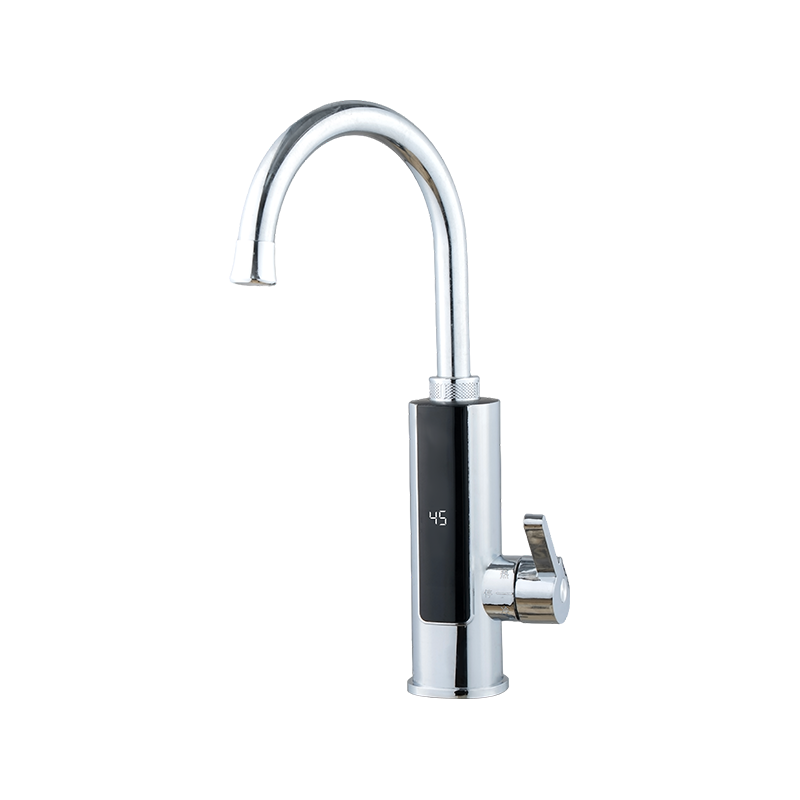
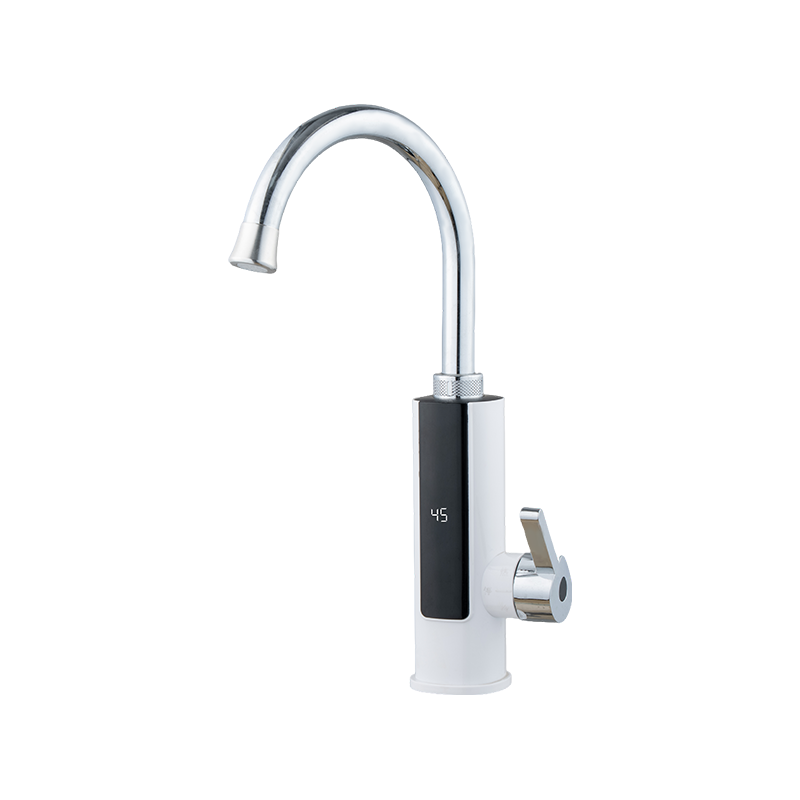
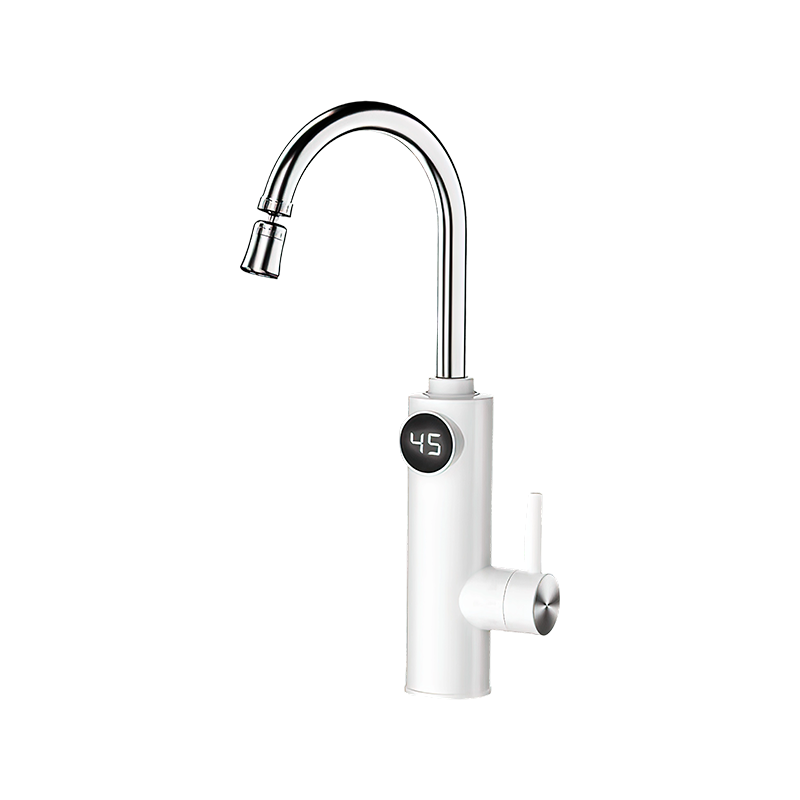
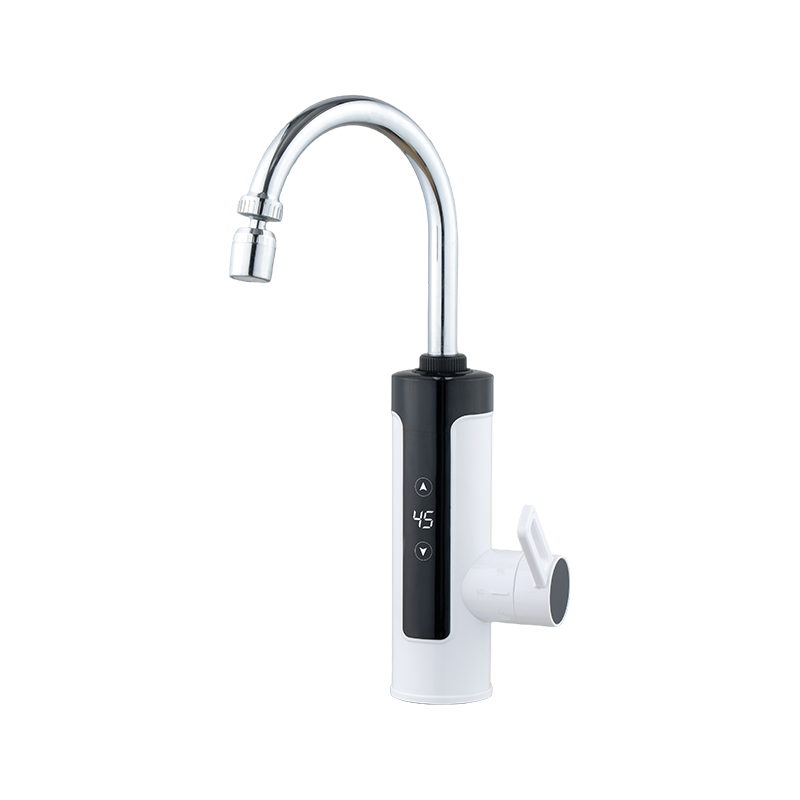



NINGBO MAITENG ELECTRIC APPLIANCE CO., LTD. integrates production and sales. The company adopts a dual model of self-management and distribution sales.
- CONTACT INFO
-
NO.8 Yaobei Avenue,Simen Town, Yuyao City, Ningbo City, Zhejiang, China
-
 +86-159 5821 2132
-
 +86-574-62178444
-
 +86-159 5821 2132
-
 [email protected]
[email protected]
-
- SCAN IT
-
Mobile terminal

