


 English
  Español
Do Instant Heating Taps Really Heat Water Fast?
Date:2026-05-13
Content
- 1 How an Electric Faucet Heats Water Instantly
- 2 Instant Hot Tap vs Water Heater — Which Wins for Your Home?
- 3 Energy Saving Performance: The Real Numbers
- 4 Choosing the Best Instant Faucet for Winter
- 5 How to Install a Heating Faucet — Step-by-Step Guide
- 6 Key Features to Look for in an Electric Hot Water Tap
- 7 Performance Radar: What Separates a Good Unit from a Great One
- 8 About NINGBO MAITENG ELECTRIC APPLIANCE CO., LTD.
- 9 Frequently Asked Questions
Yes — a quality instant hot tap heats water to usable temperature in 3 to 5 seconds. Unlike traditional water heaters that store and slowly reheat a tank, an instant heating tap uses a compact, high-power heating element (typically 2500W–3500W) built directly into the faucet body. The moment you turn the handle, cold water passes over a ceramic or stainless-steel heating core and emerges hot at the spout. This article explains exactly how that works, what performance to expect, and how to pick the right electric faucet for your kitchen or bathroom.
Heat-Up Speed: Instant Tap vs Other Solutions (seconds to hot water)
Figure 1 — Average time from tap-on to 45 °C water at outlet (lab conditions, 3000 W unit)
How an Electric Faucet Heats Water Instantly
A quick heating water faucet works on the flow-through principle. Inside the handle or body sits a sealed heating chamber roughly the size of a soda can. Water volume inside that chamber is tiny — usually 80–120 ml — so even a 3000W instant hot water tap can raise that small slug of water from 15 °C to 55 °C in under five seconds. Key internal components include:
- Ceramic or nickel-alloy heating core — resists scale, rated for 10,000+ hours.
- Flow sensor — activates heating only when water is running, eliminating idle energy draw.
- Thermistor feedback loop — reads outlet temperature 20 times per second and adjusts wattage.
- Over temperature protection faucet circuit — cuts power if the core exceeds 75 °C, preventing scalding and hardware damage.
The ABS shell on many units — such as the ABS electric heating faucet — provides electrical insulation and impact resistance while keeping the unit lightweight. High-end models add a digital electric hot water tap with display, showing outlet temperature in real time so users can dial in exactly the warmth they want.
Instant Hot Tap vs Water Heater — Which Wins for Your Home?
The debate around Instant Hot Tap vs Water Heater usually comes down to three factors: speed, installation complexity, and running cost. Here is a direct comparison:
| Attribute | Instant Hot Tap | Storage Water Heater |
|---|---|---|
| Time to hot water | 3–5 seconds | 30–90 seconds |
| Standby energy loss | Zero | 0.8–1.5 kWh/day |
| Installation space | Under-sink or in-wall | Dedicated wall/floor space |
| Simultaneous outlets | 1 (per unit) | Multiple |
| Best for | Kitchen, single bathroom | Whole-house supply |
For a single kitchen sink or ensuite bathroom, an instant hot water tap for kitchen use outperforms a tank heater on every metric that matters day-to-day: it delivers hot water faster, wastes no energy keeping a tank warm overnight, and fits under a standard cabinet.
Energy Saving Performance: The Real Numbers
An energy saving hot water tap only consumes electricity during actual water flow. A typical household uses hot water at the kitchen sink for around 20–25 minutes per day. At 3000W that equals 1.0–1.25 kWh per day, compared to a 50-litre storage heater that may consume 3–4 kWh daily including standby losses. Annual savings can reach 730–1095 kWh — a meaningful reduction in electricity consumption.
Daily Energy Consumption (kWh) — Instant Tap vs Storage Heater
Figure 2 — Estimated daily kWh, single-outlet kitchen use, family of three
Choosing the Best Instant Faucet for Winter
Cold-climate performance is where many cheap units fall short. In winter, incoming water can drop to 5–8 °C, which demands more wattage to reach comfortable hand-washing temperature (38–42 °C). When selecting the best instant faucet for winter, look for:
Wattage
A 3000W instant hot water tap is the practical minimum for climates where winter mains water stays below 10 °C. Units at 2500W may struggle, producing only lukewarm output. Models rated at 3500W offer a larger thermal buffer and maintain consistent outlet temperature even during high-flow moments.
Safety Features
An over temperature protection faucet is non-negotiable. This circuit automatically cuts heating power if the internal temperature climbs too high, protecting both the user and the appliance. Additional safety markers to look for include ground fault circuit protection, waterproof-rated wiring (IP44 or better), and CE certification.
Display and Controls
An electric hot water tap with display lets users confirm the output temperature before rinsing vegetables or washing a baby's hands — a practical safety and convenience benefit, especially in winter when the gap between comfortable and scalding is narrow.
Outlet Temperature (°C) by Wattage — Inlet 8 °C, Flow 3 L/min
Figure 3 — Outlet temperature vs rated wattage, winter inlet 8 °C, 3 L/min flow rate
How to Install a Heating Faucet — Step-by-Step Guide
Knowing how to install a heating faucet correctly prevents leaks, electrical faults, and warranty voids. Most self heating water tap units are designed for DIY installation in under 30 minutes with basic plumbing knowledge.
- Turn off the cold water supply at the isolation valve under the sink. Open the existing tap to drain residual pressure.
- Remove the old faucet by unscrewing the mounting nut from below the sink deck.
- Feed the new electric faucet's supply hose up through the sink hole. Thread the mounting nut finger-tight, then tighten a quarter-turn with a basin wrench.
- Connect the cold water inlet using PTFE tape on the threads to ensure a watertight seal.
- Route the power cable to a dedicated 13A socket with RCD (residual current device) protection. Never use an extension lead or multi-adapter in a wet environment.
- Restore water supply and test for drips at all connections before switching on power.
- Power on and check that the display (if present) lights up and that the over temperature protection indicator is not triggered.
If your home wiring runs on a 20A circuit shared with other high-draw appliances, consult a licensed electrician before installing a 3000W+ unit. In the EU and UK, the tap must be connected to a circuit protected by an RCD rated at 30 mA or lower.
Key Features to Look for in an Electric Hot Water Tap
Not all heating water taps are equal. The table below summarises the features that meaningfully affect daily usability and long-term durability:
| Feature | Why It Matters | Look for |
|---|---|---|
| Rated power | Determines winter performance | 3000W–3500W |
| Over-temp protection | Prevents scalding, hardware burn | Auto cutoff at ≤75 °C |
| Shell material | Insulation & durability | ABS or food-grade PP |
| Temperature display | Real-time safety monitoring | LED readout, ±1 °C accuracy |
| Flow rate | Usability at sink | 2–4 L/min at rated temp |
| Certifications | Safety compliance | CE, ISO9001 |
Performance Radar: What Separates a Good Unit from a Great One
A hot water faucet should score well across five dimensions simultaneously. The radar chart below compares a basic entry-level unit against a well-specified instant hot water tap with display and full safety suite.
Performance Radar — Entry Level vs Premium Instant Tap
Figure 4 — Performance radar across five dimensions (indicative scores, 0–100%)
About NINGBO MAITENG ELECTRIC APPLIANCE CO., LTD.
Established in 2011, NINGBO MAITENG ELECTRIC APPLIANCE CO., LTD. has been dedicated to the electric water heating faucet project for over a decade. The company is ISO9001 certified and CE certified, with a facility spanning 10,000 square metres and a team of 200 employees producing an annual output of 2 million units. Operations encompass sales, e-commerce, production, after-sales, warehousing, and quality inspection departments.
The company has established strategic partnerships with renowned domestic brands including Arrow, Konka, Sacon, Sunrain, and Royalstar, while also producing and distributing its own brands — Dongri Le and Aituosheng. In March 2019, the new brand HELLO DREAM was launched, operating through a dual sales model: self-operation and distribution across 4 Tmall stores, 5 Pinduoduo stores, 2 Taobao enterprise stores, and 1 Alibaba wholesale platform store.
In 2023, a dedicated foreign trade department was established to serve international markets. Built on the foundation of "quality first" — embracing science and technology, focusing on people, and striving for excellence — the company's guiding slogan is: "Fast and hot life starts with me." Factory visits are welcomed, and the team looks forward to potential future cooperation.
Frequently Asked Questions
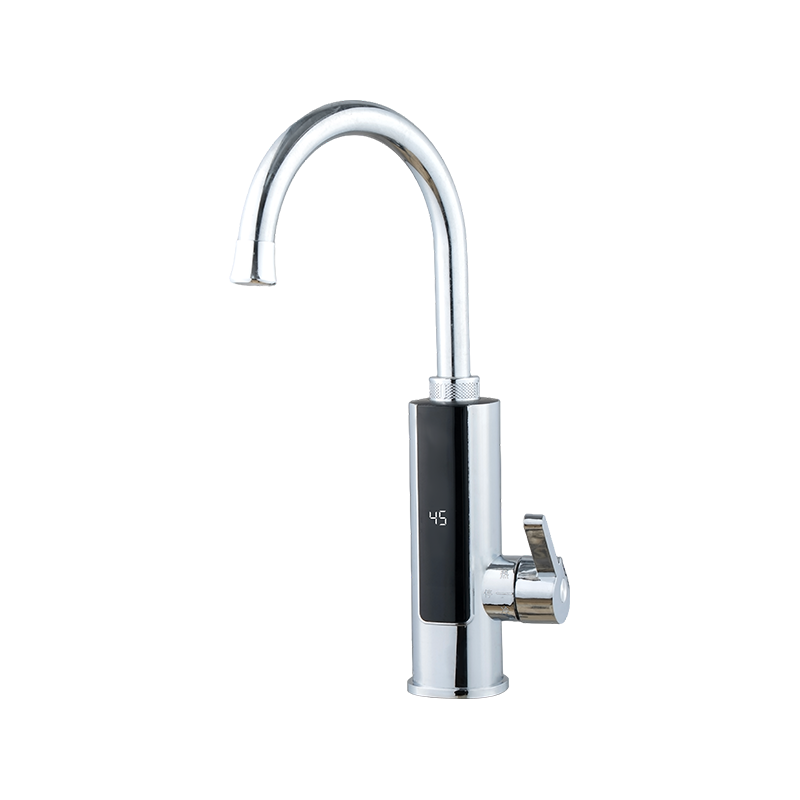
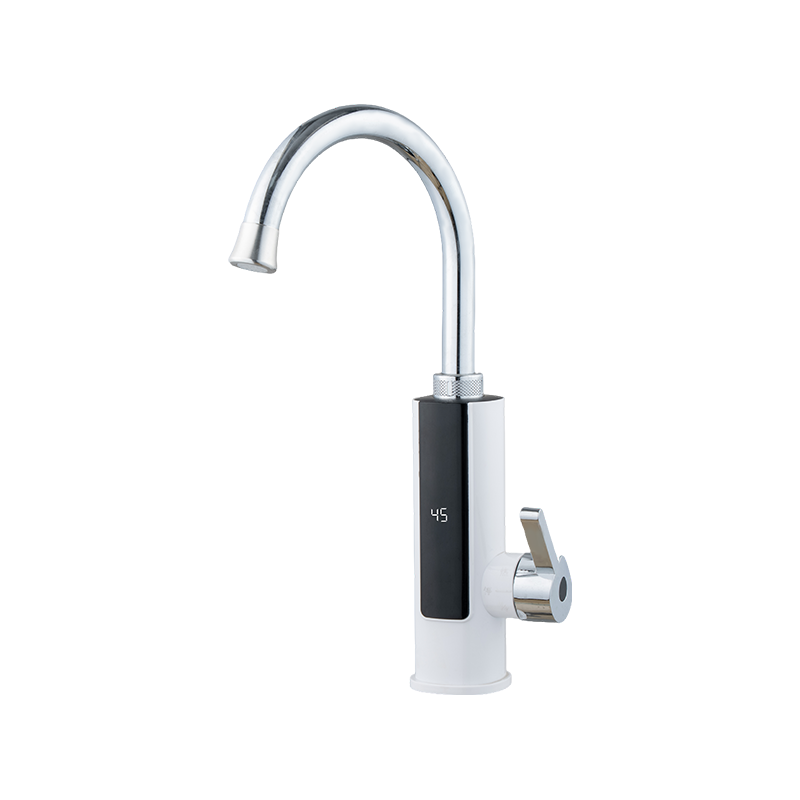
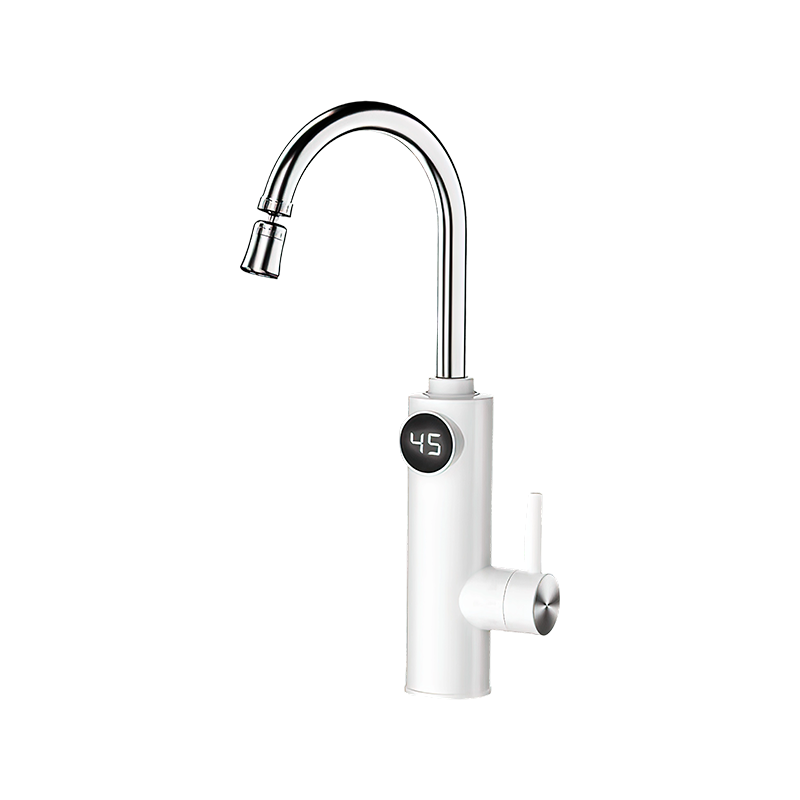
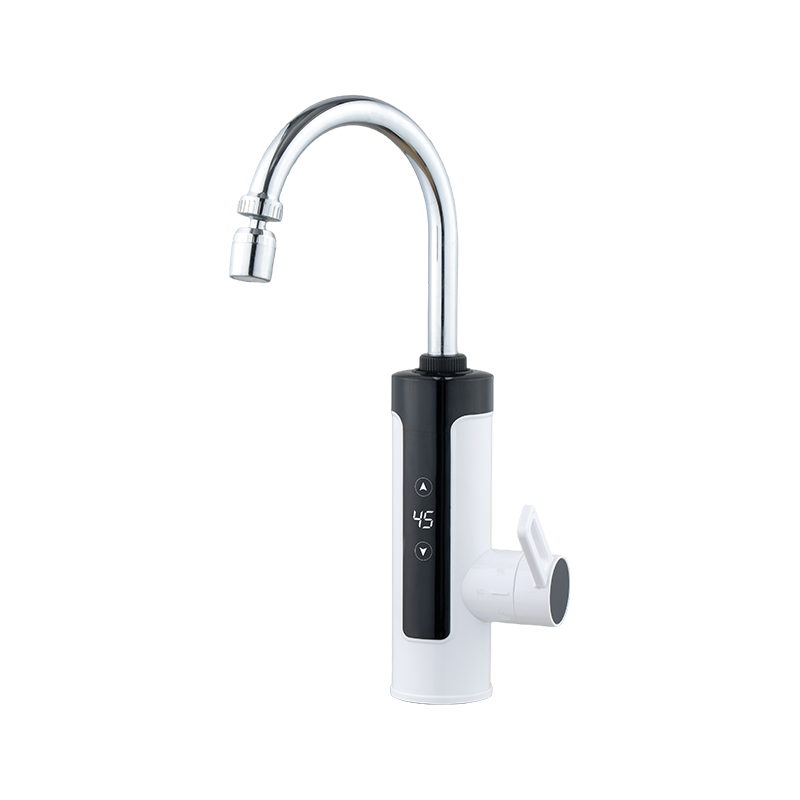



NINGBO MAITENG ELECTRIC APPLIANCE CO., LTD. integrates production and sales. The company adopts a dual model of self-management and distribution sales.
- CONTACT INFO
-
NO.8 Yaobei Avenue,Simen Town, Yuyao City, Ningbo City, Zhejiang, China
-
 +86-159 5821 2132
-
 +86-574-62178444
-
 +86-159 5821 2132
-
 [email protected]
[email protected]
-
- SCAN IT
-
Mobile terminal

