


 English
  Español
Are Instant Electric Hot Water Systems Any Good? A Practical Guide
Date:2026-07-07
Content
- 1 Instant Electric Hot Water Systems Are Generally a Practical Choice for On-Demand Kitchen Use
- 2 How Instant Electric Heating Differs From Storage Tank Systems
- 3 Why Kitchens Are a Common Starting Point for Point-of-Use Heating
- 4 Where Standby Energy Loss Occurs in Different Water Heating Methods
- 5 How Wait Time for Hot Water Changes With Distance From the Heater
- 6 Comparing Instant Electric Faucets Against Central Heating on Key Attributes
- 7 Typical Applications for Instant Electric Kitchen Faucets
- 8 Seasonal and Usage Pattern Considerations
- 9 What to Check When Evaluating an Instant Electric Kitchen Faucet
- 10 Key Features to Compare in an Instant Electric Kitchen Faucet
- 11 Installation Considerations and Common Questions During Setup
- 12 About NINGBO MAITENG ELECTRIC APPLIANCE CO., LTD.
- 13 Frequently Asked Questions
- 13.1 Q1: Are instant electric hot water systems any good for daily kitchen use?
- 13.2 Q2: Does an instant electric kitchen faucet require special plumbing?
- 13.3 Q3: What certification should an instant electric kitchen faucet have?
- 13.4 Q4: Why is ABS commonly used for kitchen faucet housings?
- 13.5 Q5: Can an instant electric kitchen faucet replace a central water heater entirely?
- 13.6 Q6: How much electrical capacity does an instant electric kitchen faucet typically need?
Instant Electric Hot Water Systems Are Generally a Practical Choice for On-Demand Kitchen Use
The direct answer is that instant electric hot water systems are a practical and increasingly common solution for kitchens and small spaces, particularly where a dedicated hot water tap is needed without waiting for a tank to heat or reheat. According to general guidance from the U.S. Department of Energy on tankless and point-of-use water heating, on-demand electric units heat water only when the tap is opened, which avoids the standby heat loss associated with storage tank systems. An instant electric kitchen faucet applies this same on-demand heating principle directly at the point of use, so hot water reaches the tap almost immediately rather than traveling through a long pipe run from a central heater. This design is particularly useful in kitchens, small apartments, offices, and any setting where a short burst of hot water is needed frequently throughout the day rather than for extended showers or baths. Because the heating element sits inside the faucet body itself, rather than in a separate tank somewhere else in the building, the distance between where water is heated and where it is used shrinks to almost nothing. The sections below examine how these systems perform, what factors affect their efficiency, how they compare with central heating on several practical measures, and what to look for when evaluating an instant electric kitchen faucet for a specific space.
How Instant Electric Heating Differs From Storage Tank Systems
A storage tank water heater keeps a large volume of water hot at all times, which means energy is used continuously to maintain temperature even when no tap is open anywhere in the building. An instant electric hot water system, by contrast, uses a compact heating element that activates only when water flows through it, which is the same operating principle described in Department of Energy guidance on demand-type water heaters. This difference in operating principle is why point-of-use electric units are often positioned as a complement to, rather than a full replacement for, a central water heater in larger households with multiple bathrooms or high-volume needs. For a kitchen specifically, an instant electric kitchen faucet can supply hot water for dishwashing, food preparation, or quick rinsing without requiring the main water heater to run a long pipe distance from another part of the building. This localized heating approach also reduces the amount of water wasted while waiting for hot water to arrive at a distant tap, which is a common complaint in kitchens located far from a central heater, particularly in multi-story homes or converted spaces. The heating element inside a typical instant electric faucet is sized for short, intermittent bursts of use rather than continuous high-volume flow, which matches well with how a kitchen tap is actually used throughout an average day. Because the unit only draws power while water is actively flowing, the overall electrical load pattern tends to be short and intermittent rather than the steady background draw associated with a tank maintaining temperature around the clock.
Why Kitchens Are a Common Starting Point for Point-of-Use Heating
Kitchens tend to be one of the first places homeowners and property managers consider when evaluating point-of-use electric heating, largely because kitchen taps are used in short, frequent bursts rather than long continuous draws. A typical kitchen sink might be used dozens of times a day for rinsing dishes, washing produce, or filling a small pot, and each of these tasks only requires a modest volume of hot water delivered quickly. This usage pattern is different from a bathroom shower, where a single continuous draw over several minutes is more common, and it is one reason instant electric kitchen faucets are frequently discussed specifically in kitchen and food preparation contexts rather than as a whole-house solution. Older buildings and converted spaces often have a kitchen located at a considerable distance from the original water heater, since kitchens have sometimes been relocated or added during renovations without matching plumbing changes. In these situations, running new hot water piping back to a central heater can involve significant construction work, whereas installing a point-of-use electric faucet only requires an appropriate electrical connection and the existing cold water supply already present at the sink. Commercial settings such as small offices, break rooms, and retail back-of-house areas share a similar pattern, where hot water is needed briefly and occasionally rather than continuously, making an instant electric kitchen faucet a reasonable fit for these secondary locations as well.
Where Standby Energy Loss Occurs in Different Water Heating Methods
Standby heat loss is one of the most commonly cited inefficiencies in traditional storage-based water heating, and comparing it against on-demand systems helps explain why instant electric units are often discussed in efficiency conversations. The donut chart below presents an illustrative breakdown of where energy tends to be used across a typical storage water heater cycle, based on general categories described in energy efficiency literature.
| Energy Use Category | Approximate Share |
|---|---|
| Active water heating during use | Largest share |
| Standby loss while tank sits idle | Second largest |
| Heat lost through pipe travel distance | Moderate share |
| Other system losses | Smallest share |
This breakdown illustrates why standby loss is such a frequently discussed inefficiency in central water heating systems, since a large portion of energy use in a storage tank comes from simply maintaining temperature rather than delivering water someone is actively using at that moment. Heat lost through pipe travel is also notable in kitchens located far from the main heater, since the water sitting in the pipe cools between uses and must be reheated or run off before hot water actually arrives at the tap. An instant electric kitchen faucet avoids both the standby loss and the pipe travel loss shown in this chart, since it heats water directly at the point of use rather than maintaining a remote reservoir that must be kept warm continuously. This is one reason point-of-use electric heating is frequently discussed as a complementary solution in kitchens, even in households that keep a central water heater for bathrooms and laundry needs elsewhere in the home. Recognizing where energy tends to be lost in a traditional system helps explain the practical appeal of localized, on-demand heating at a single fixture, particularly for households already looking to reduce unnecessary energy use around the home. It is worth noting that these figures are illustrative categories meant to explain the general pattern discussed in energy efficiency guidance, rather than precise measurements for any specific product or household.
How Wait Time for Hot Water Changes With Distance From the Heater
One of the most commonly reported frustrations with central water heating is the delay before hot water reaches a distant tap. The area chart below illustrates the general relationship between pipe distance from a central heater and typical wait time, a pattern widely discussed in plumbing efficiency guidance and commonly experienced in larger or multi-story homes.
The upward trend in this chart reflects a simple physical reality: the farther hot water has to travel through piping, the more it cools along the way, and the longer a tap must run before hot water actually arrives at the fixture. Kitchens located on an upper floor, in a converted space, or far from the main utility area tend to experience the longest wait times, which also means more water is run and effectively wasted while waiting for the temperature to rise. This wait time issue is one of the most frequently cited reasons homeowners consider a point-of-use solution such as an instant electric kitchen faucet for a specific fixture rather than rerouting plumbing throughout the building. Because an instant electric kitchen faucet heats water at the tap itself, the wait time shown in this chart is effectively bypassed for that specific fixture, regardless of how far it sits from the central heater elsewhere in the structure. This makes point-of-use heating particularly relevant for secondary kitchens, wet bars, office pantries, garage sinks, or any installation where running new hot water piping over a long distance would be impractical or disruptive to existing finishes. Property managers overseeing multiple rental units sometimes cite this same wait time issue as a recurring tenant complaint, which can make a targeted point-of-use installation a reasonable response for a specific problem unit rather than a full plumbing overhaul.
Comparing Instant Electric Faucets Against Central Heating on Key Attributes
Different hot water delivery methods make different tradeoffs, and no single method scores highest across every attribute that matters to a household or business. The radar chart below compares an instant electric kitchen faucet against a central storage heater across four commonly discussed attributes on an illustrative 0 to 10 scale.
Instant electric kitchen faucet Central storage heater
The comparison shows the instant electric kitchen faucet scoring higher on instant availability, standby efficiency, and space footprint, since it eliminates the wait time and idle energy loss discussed in the earlier charts while also occupying much less physical space than a storage tank installation. A central storage heater tends to score higher on high volume use, since it can supply multiple fixtures at once and sustain longer continuous draws such as filling a bathtub or running a washing machine simultaneously with other hot water demands. Install simplicity varies depending on the specific setup, since an instant electric faucet typically requires only an appropriate electrical connection at a single point, while a central heater may already be installed as part of the building infrastructure and simply needs to be maintained rather than newly installed. Neither method scores highest across every attribute, which is consistent with how these two approaches are generally discussed as complementary rather than direct replacements for one another in most household configurations. This kind of side-by-side comparison helps clarify that an instant electric kitchen faucet is best suited to targeted, single-fixture hot water needs rather than whole-house supply, and it explains why many households choose to keep both systems operating together rather than replacing one with the other entirely.
Typical Applications for Instant Electric Kitchen Faucets
Instant electric kitchen faucets are used across a range of settings where a dedicated, localized hot water source is more practical than extending existing plumbing throughout a building. The list below summarizes common applications discussed in home improvement and small commercial contexts.
- Kitchen sinks where hot water is needed frequently for short tasks such as rinsing dishes
- Secondary kitchens, wet bars, or basement kitchenettes far from the main water heater
- Small offices or break rooms where installing full plumbing to a central heater is impractical
- Rental units or renovations where minimizing plumbing work is a priority
- Seasonal or occasional-use spaces where running a central heater continuously is not efficient
- Workshop, garage, or utility sinks used briefly for hand washing or cleanup tasks
Each of these applications shares a common theme: the need for hot water at a specific, often isolated point, rather than across an entire building or property. An instant electric kitchen faucet addresses this need without requiring the water heater to be relocated or new hot water piping to be run over a long distance through walls or under floors. In rental properties and renovations specifically, this can reduce the scope of plumbing work considerably, since only an electrical connection and cold water supply are typically needed at the fixture location. Small offices and break rooms benefit in a similar way, since running a central heater continuously for occasional hot water use elsewhere in the building is generally less efficient than heating water only when the tap is used at that specific sink. Workshops and utility areas often have similarly infrequent hot water needs, where a full plumbing run to a central heater would represent a disproportionate amount of construction work relative to how often hot water is actually needed there. Recognizing these typical use cases helps clarify whether a point-of-use electric faucet fits a particular space before installation planning begins.
Seasonal and Usage Pattern Considerations
Hot water demand in a kitchen is rarely constant throughout the year, and understanding this pattern helps explain why on-demand heating can be a good fit for variable usage. The stacked bar chart below presents an illustrative view of how kitchen hot water use might be distributed across different task categories during a typical week, based on general household usage patterns discussed in residential water use studies.
Dishwashing Food prep Cleaning
This illustrative pattern shows hot water use rising toward the weekend, which lines up with the common observation that meal preparation and cleanup tend to increase on Saturdays and Sundays compared with weekday routines. Dishwashing consistently represents the largest segment of kitchen hot water use across the week in this illustration, reflecting how frequently a kitchen tap is used for rinsing rather than for longer continuous tasks. Food preparation and general cleaning make up smaller but still meaningful segments, and both tend to follow a similar weekend increase as household activity in the kitchen rises. An instant electric kitchen faucet is well suited to this kind of variable, task-based demand pattern, since it does not need to maintain a constant reserve of hot water regardless of whether the kitchen is being used heavily or lightly on a given day. A central storage heater, by contrast, maintains the same standby temperature whether it is a quiet Tuesday morning or a busy Saturday afternoon, which is part of why the standby loss discussed earlier in this article remains relatively constant regardless of actual usage variation. Recognizing this kind of weekly pattern can help households and property managers think through whether a point-of-use solution matches their own household's actual kitchen activity level.
What to Check When Evaluating an Instant Electric Kitchen Faucet
Not all point-of-use electric faucets are built the same way, and a few construction and certification details are worth reviewing before installation. The gauge below represents an example evaluation score for a unit that meets most but not all of a basic five-point review checklist.
In this example, the unit passes four of five checklist items, which might include verified electrical safety certification, secure ABS housing construction, a properly rated heating element, and clear installation documentation, with one item flagged for closer review before purchase. Certification marks such as CE indicate that a unit has undergone independent testing against recognized electrical safety standards, which is particularly relevant for any appliance that combines water and electricity at a single point in the home. The durability of the faucet housing also matters, since an ABS construction is valued for its resistance to everyday wear and its ability to maintain structural integrity around the internal heating components over years of use. Reviewing installation documentation before purchase helps confirm that the electrical requirements match the household's existing wiring, which avoids complications or delays during setup. Applying a simple checklist score like this one gives a more concrete basis for comparison than relying on general impressions or assumptions alone, and it encourages a more methodical evaluation process before committing to a specific installation.
Key Features to Compare in an Instant Electric Kitchen Faucet
Beyond certification, several construction features affect how well an instant electric kitchen faucet performs over time. The table below summarizes common features worth reviewing before selecting a unit for a specific installation.
| Feature | Why It Matters |
|---|---|
| Electrical safety certification (CE or equivalent) | Confirms independent testing of the electrical heating components |
| ABS housing construction | Provides durable, corrosion-resistant protection around internal parts |
| Heating element response time | Affects how quickly hot water reaches the desired temperature |
| Compact installation footprint | Determines suitability for under-sink or space-limited installations |
| Installation documentation clarity | Reduces setup errors and helps confirm electrical compatibility |
Electrical safety certification remains the most important feature to confirm, since it reflects independent verification rather than a manufacturer's own description of the product's capabilities. An ABS kitchen faucet housing is commonly used in this product category because the material combines durability with resistance to the moisture-heavy environment around a kitchen sink, where exposure to splashing water and cleaning chemicals is routine. Heating element response time affects the practical experience of using the faucet day to day, since a longer warm-up period reduces some of the convenience benefit that draws people to instant electric heating in the first place. A compact footprint is particularly relevant for kitchens with limited under-sink space, where a bulky unit may not fit alongside existing plumbing, cabinetry, and storage without requiring modification. Clear installation documentation helps installers and homeowners confirm electrical compatibility before work begins, which reduces the likelihood of mid-installation surprises related to wiring capacity or connection type. Reviewing these five features together gives a more complete picture than looking at any single specification in isolation, and it supports a more informed comparison across different available units.
Installation Considerations and Common Questions During Setup
Installing an instant electric kitchen faucet generally involves fewer plumbing steps than connecting to a central water heater, but it does introduce a small set of electrical considerations that are worth planning for in advance. The unit typically needs to be positioned close enough to a suitable power source, and the household's existing electrical panel should have adequate capacity for the additional load without requiring a full panel upgrade in most residential cases. Because the heating element engages only when water is flowing, the electrical draw is intermittent rather than continuous, which is different from appliances that run steadily once switched on. Homeowners considering this type of installation often ask whether existing under-sink space is sufficient, since the compact footprint discussed earlier in this article is one of the more variable specifications between different units on the market. It is also worth confirming that local electrical and plumbing codes are followed during installation, since combining water and electricity at a single fixture always warrants attention to proper grounding and connection practices regardless of which specific unit is chosen. Consulting a qualified electrician or plumber during installation planning is a reasonable step for anyone unfamiliar with these requirements, since a correctly installed unit is central to both its performance and its long-term safe operation.
About NINGBO MAITENG ELECTRIC APPLIANCE CO., LTD.
Established in 2011, NINGBO MAITENG ELECTRIC APPLIANCE CO., LTD. has been dedicated to the electric water heating faucet category for over a decade, holding both ISO9001 and CE certification. The company operates across a 10,000 square meter facility with 200 employees and an annual output of 2 million units, encompassing sales, e-commerce, production, after-sales, warehousing, and quality inspection departments under one operation. The company maintains strategic partnerships with several established domestic appliance brands, while also producing its own branded product lines. In 2019, the company launched an additional brand line and has since expanded into a dual sales model spanning multiple e-commerce platforms, contributing to consistent business growth over the years that followed. In 2023, the company established a foreign trade department to support a broader international market, and it welcomes factory visits and potential cooperation from businesses interested in the instant electric kitchen faucet category and related water heating products.
Frequently Asked Questions
Q1: Are instant electric hot water systems any good for daily kitchen use?
A: They are generally well suited to short, frequent hot water needs at a single fixture, such as dishwashing and food preparation, though they are typically used alongside rather than in place of a central heater for whole-house needs.
Q2: Does an instant electric kitchen faucet require special plumbing?
A: Installation typically requires a cold water supply and a suitable electrical connection at the fixture, rather than new hot water piping from a central heater.
Q3: What certification should an instant electric kitchen faucet have?
A: A CE mark or equivalent recognized electrical safety certification indicates the unit has undergone independent testing of its heating components.
Q4: Why is ABS commonly used for kitchen faucet housings?
A: ABS offers durability and resistance to the moisture-heavy environment typical of kitchen sink areas, helping protect internal heating components.
Q5: Can an instant electric kitchen faucet replace a central water heater entirely?
A: It is generally used as a complementary, point-of-use solution rather than a full replacement, since central heaters better support higher-volume or multi-fixture hot water needs.
Q6: How much electrical capacity does an instant electric kitchen faucet typically need?
A: Requirements vary by model, so checking the installation documentation and confirming compatibility with the existing electrical panel before installation is recommended.
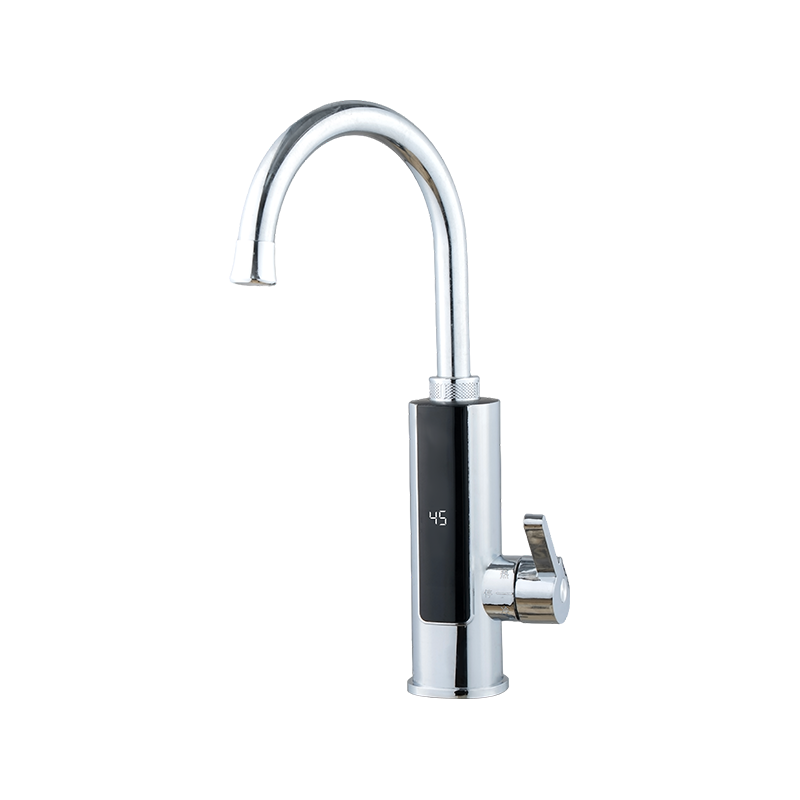
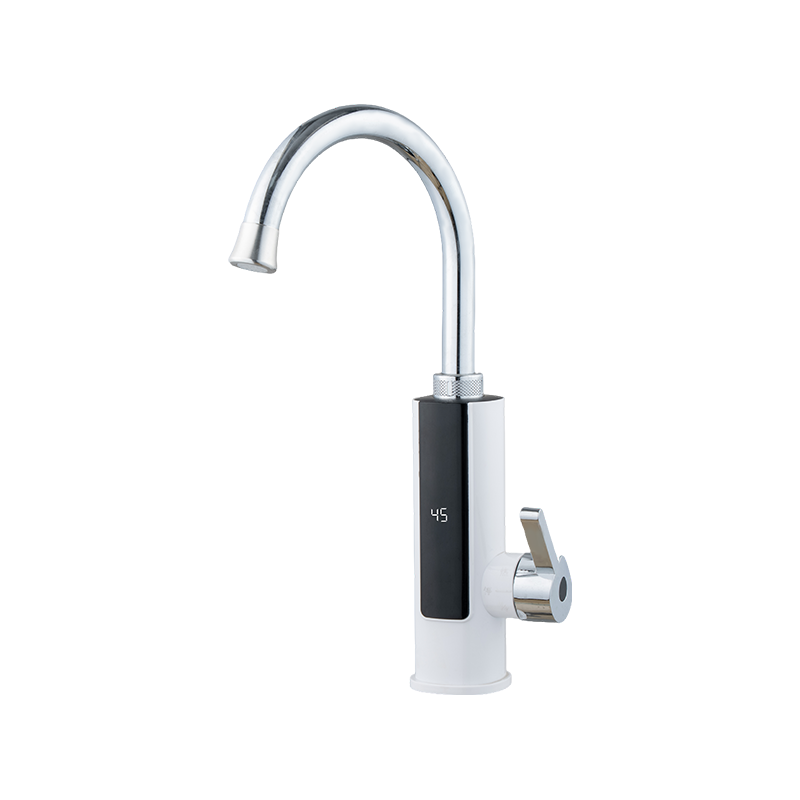
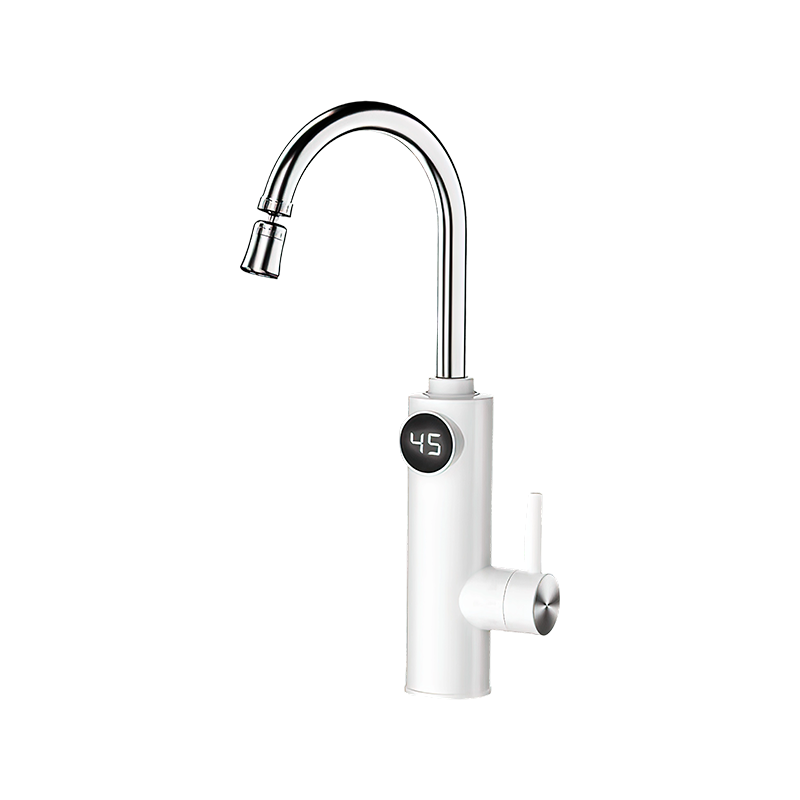
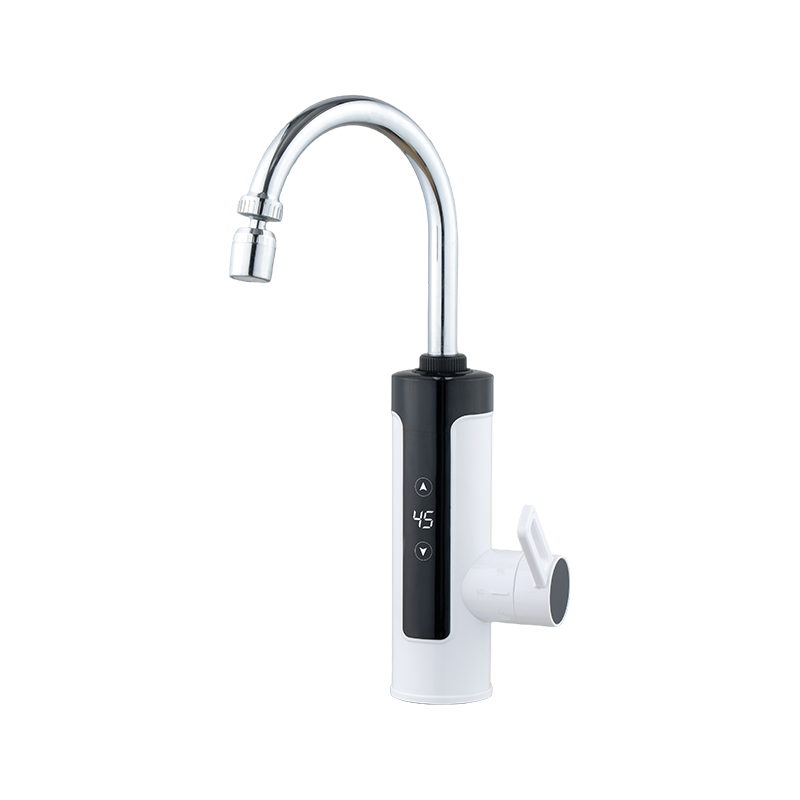



NINGBO MAITENG ELECTRIC APPLIANCE CO., LTD. integrates production and sales. The company adopts a dual model of self-management and distribution sales.
- CONTACT INFO
-
NO.8 Yaobei Avenue,Simen Town, Yuyao City, Ningbo City, Zhejiang, China
-
 +86-159 5821 2132
-
 +86-574-62178444
-
 +86-159 5821 2132
-
 [email protected]
[email protected]
-
- SCAN IT
-
Mobile terminal

