


 English
  Español
What are the precautions for installing stainless steel electric water faucets?
Date:2026-02-11
Content
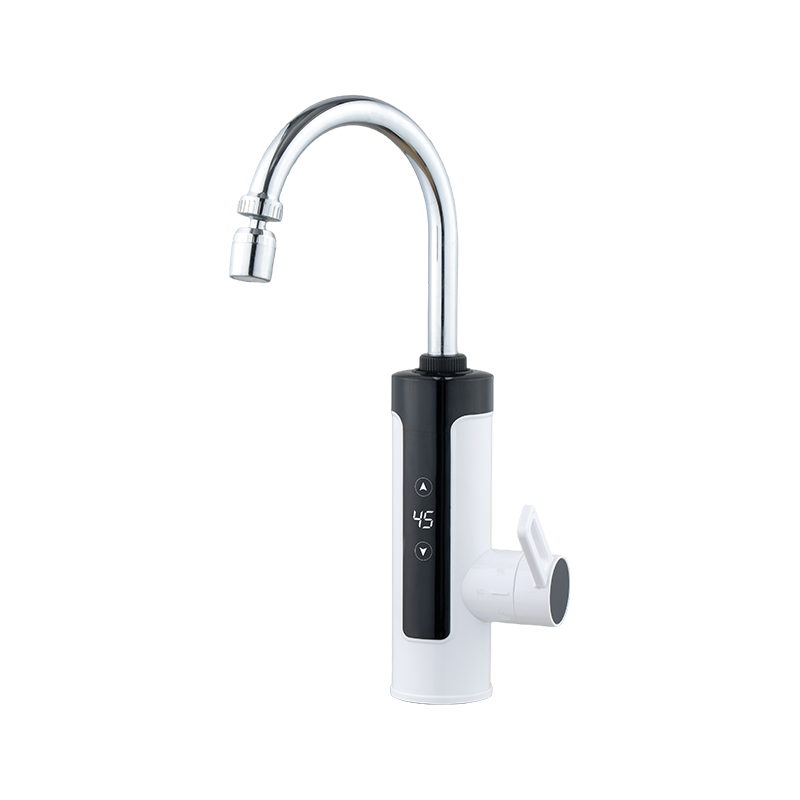
With the increasing popularity of smart homes, stainless steel electric water faucets are becoming increasingly popular in kitchens and bathrooms due to their rapid heating, durability, and aesthetic appeal. However, neglecting some key precautions during installation can not only affect the user experience but also potentially create safety hazards.
Choosing a Suitable Installation Location
The installation location directly affects the convenience and safety of the stainless steel electric water faucet. It is recommended to install it near a power source and in a location that facilitates drainage. Household electric water faucets typically require a standard 220V/50Hz power supply and must be equipped with a leakage protection switch.
Kitchen Sink: It is recommended to install it at a height of 30–50 cm above the center of the sink for easy washing of vegetables and dishes.
Bathroom Sink: The top of the faucet should be 25–40 cm high to prevent splashing when washing hands or face.
Installation that is too high or too low may result in unstable water flow or splashing.
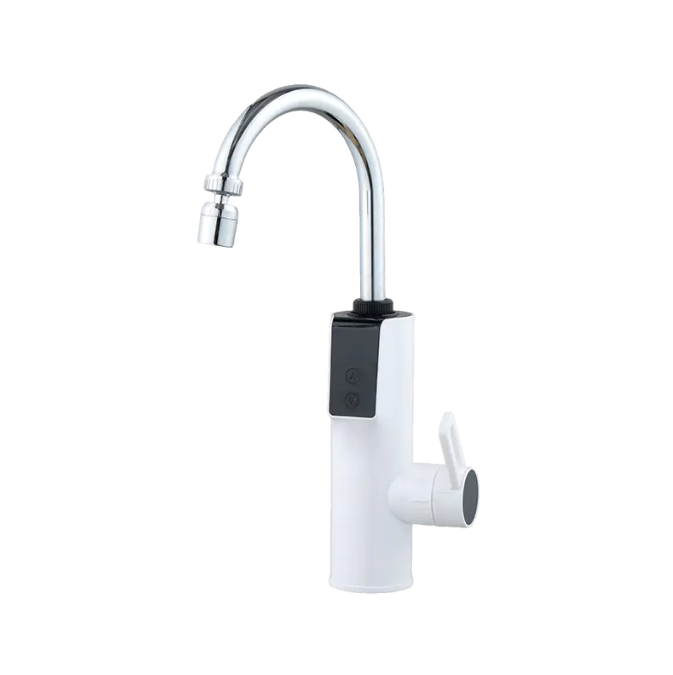
Confirming Water Pressure and Pipe Compatibility
Stainless steel electric water faucets have certain water pressure requirements and are generally suitable for environments with a water pressure of 0.02–0.6 MPa. Low water pressure in your home will reduce heating efficiency; excessively high water pressure may cause faucet leaks or pipe damage.
Before installation, check that your household piping meets standards. If necessary, install a pressure reducing valve or booster pump to ensure stable water flow. For old copper or plastic pipes, it is recommended to replace them or add fittings to ensure high-temperature resistance and long-term safety.
Safe Wiring and Leakage Prevention Measures
Stainless steel electric water faucets operate with the heating element directly heating the flowing water, therefore, safe wiring is crucial:
- Use a three-prong socket equipped with a leakage protection switch to ensure electrical safety.
- The power cord should be kept away from water sources and protected with a waterproof conduit.
- Avoid multiple people using high-power appliances simultaneously to prevent tripping or overload.
For example, a common household stainless steel electric water faucet has a power rating of around 3000W. If the water flow rate is 3 liters/minute, it can provide hot water within 5 seconds. Therefore, improper wiring may lead to short circuits or electric shock.
Check the Sealing and Leak-Proof Design
When installing a stainless steel electric water faucet, a tight seal is crucial for long-term use:
- Use the provided sealing ring or Teflon tape to secure the connection and prevent leaks.
- Do not overtighten to avoid damaging the copper threads or stainless steel casing.
After installation, turn off the faucet and test it with water for 30 seconds to 1 minute to check for leaks or drips.
A good sealing design not only ensures a good user experience but also extends the lifespan of the heating element inside the faucet.
Regular Maintenance and Cleaning Recommendations
After installation, users should also pay attention to subsequent maintenance to ensure the long-term stable operation of the stainless steel electric water faucet:
- Clean the internal scale every 3-6 months, especially in hard water areas, to prevent scale buildup on the heating element from affecting heating efficiency.
- Use a neutral detergent to wipe the outer casing; avoid using strong acidic or alkaline cleaning products that may damage the stainless steel surface.
- Regularly check the power cord, connection sealing ring, and heating element; repair or replace any abnormalities promptly.
For example, some users have reported that if limescale buildup is severe, the heating time may increase from 5 seconds/liter to 15 seconds/liter, significantly impacting the user experience.
Installing a stainless steel electric water faucet requires consideration not only of location and aesthetics, but also of water pressure, electrical circuitry, and sealing safety. Following these precautions will not only ensure the faucet functions properly but also extend its lifespan and enhance the comfort of your home. Choosing a high-quality stainless steel electric water faucet, along with proper installation and maintenance, is key to enjoying the convenience of hot water.
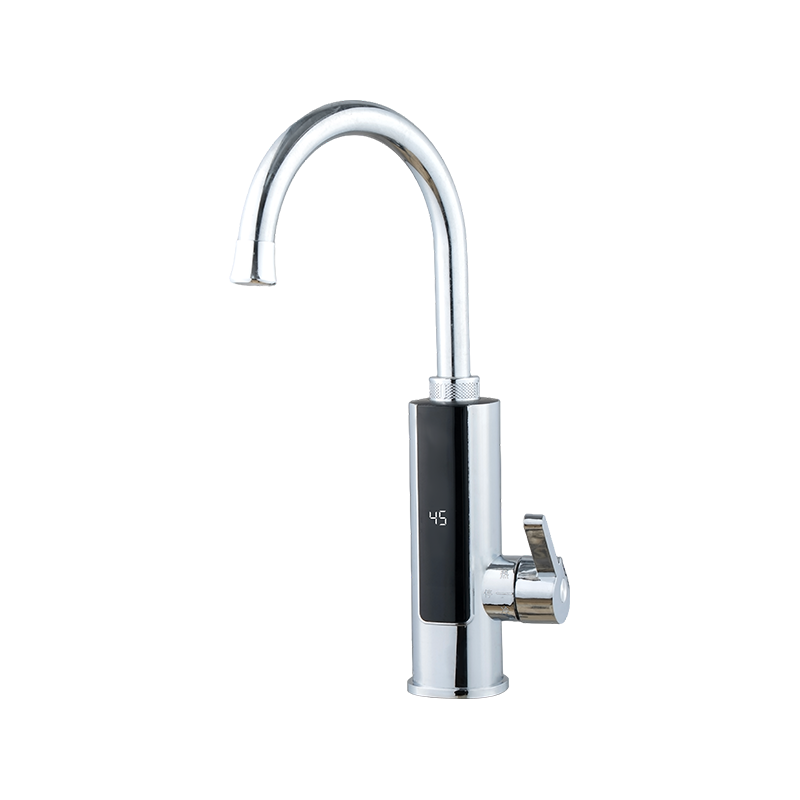
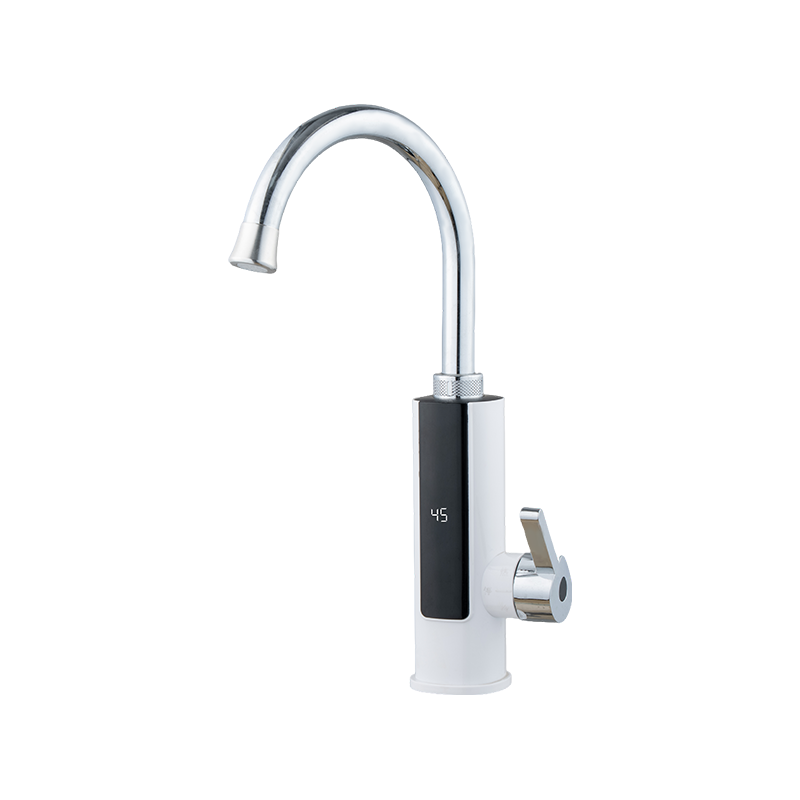
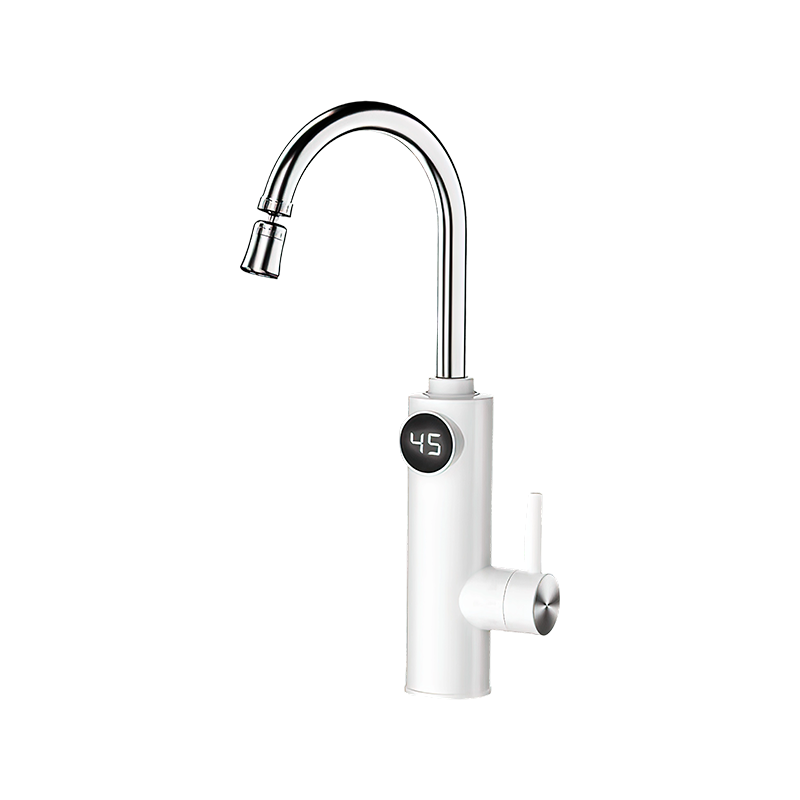



NINGBO MAITENG ELECTRIC APPLIANCE CO., LTD. integrates production and sales. The company adopts a dual model of self-management and distribution sales.
- CONTACT INFO
-
NO.8 Yaobei Avenue,Simen Town, Yuyao City, Ningbo City, Zhejiang, China
-
 +86-159 5821 2132
-
 +86-574-62178444
-
 +86-159 5821 2132
-
 [email protected]
[email protected]
-
- SCAN IT
-
Mobile terminal

