


 English
  Español
What are the most common problems with tankless water heaters?
Date:2025-12-25
Content
As modern families demand higher quality of life, tankless water heaters (also known as instantaneous water heaters) have gradually become a favorite in the bathroom market due to their space-saving, instant hot water, and energy-saving advantages. However, like any high-tech appliance, users may encounter some minor operational problems while enjoying a continuous supply of hot water.
1. Water Temperature Fluctuations ("Cold Water Sandwich" Phenomenon)
This is one of the most common complaints from tankless water heater users. When you turn the tap off and then on again, you might first get a burst of hot water, followed by a burst of cold water, and finally, hot water again.
Cause: This is because after the water heater is turned off, some hot water remains in the heat exchanger. When restarted, the newly entering cold water passes through the pipes before being heated, creating a temperature difference.
Solution: High-end tankless water heaters are usually equipped with a "built-in circulation pump" or a "buffer tank" to effectively mitigate this phenomenon.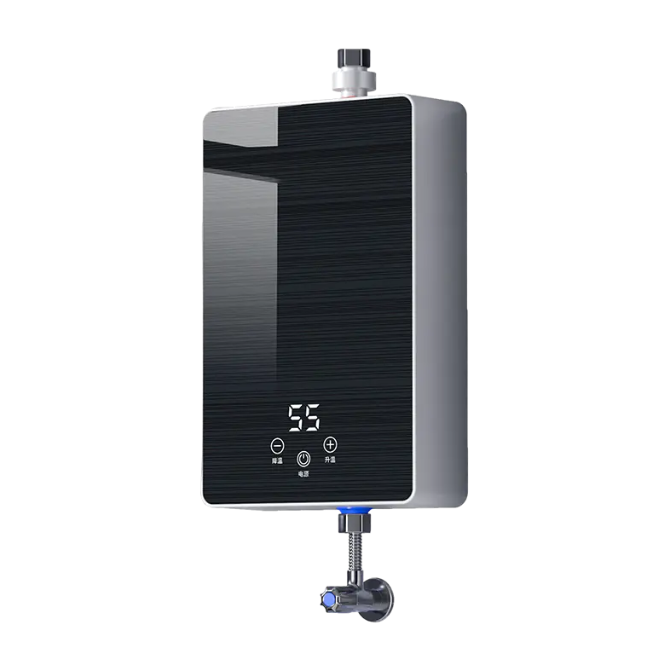
2. Scale Deposition and Scaling
In areas with hard water, the biggest challenge for tankless water heaters is scale buildup.
Cause: Calcium and magnesium ions precipitate and adhere to the heat exchanger during high-temperature heating. Long-term scale buildup reduces thermal efficiency and can even cause the unit to overheat and shut down.
Solution: Perform regular descaling (usually recommended once a year), or install a pre-filter and water softener at the inlet to protect the tankless water heater from the source.
3. System Overload Leading to Shutdown
Since tankless water heaters heat water in real-time based on demand, if multiple water usage points (such as two bathrooms showering simultaneously and a washing machine running) are turned on at the same time, the machine's power limit may be exceeded.
Cause: The flow rate exceeds the unit's maximum heating capacity (L/min).
Solution: When purchasing, be sure to choose a tankless water heaters with an appropriate power (liters) based on the number of family members and their water usage habits.
4. Ignition Failure or Frequent Flameout
For tankless gas water heaters, users sometimes encounter situations where they cannot start.
Causes: This may involve insufficient gas pressure, a blocked exhaust pipe, carbon buildup on the ignition needle, or insufficient water pressure preventing the water flow sensor from activating.
Solutions: Check if the gas valve is fully open and clear any obstructions from the exhaust vent. If the issue is due to insufficient water pressure in older neighborhoods, it is recommended to install a booster pump.
While tankless water heaters present some common challenges, most problems can be avoided through proper selection, professional installation, and regular maintenance. Compared to traditional storage water heaters, their advantages in energy efficiency and space utilization remain irreplaceable.
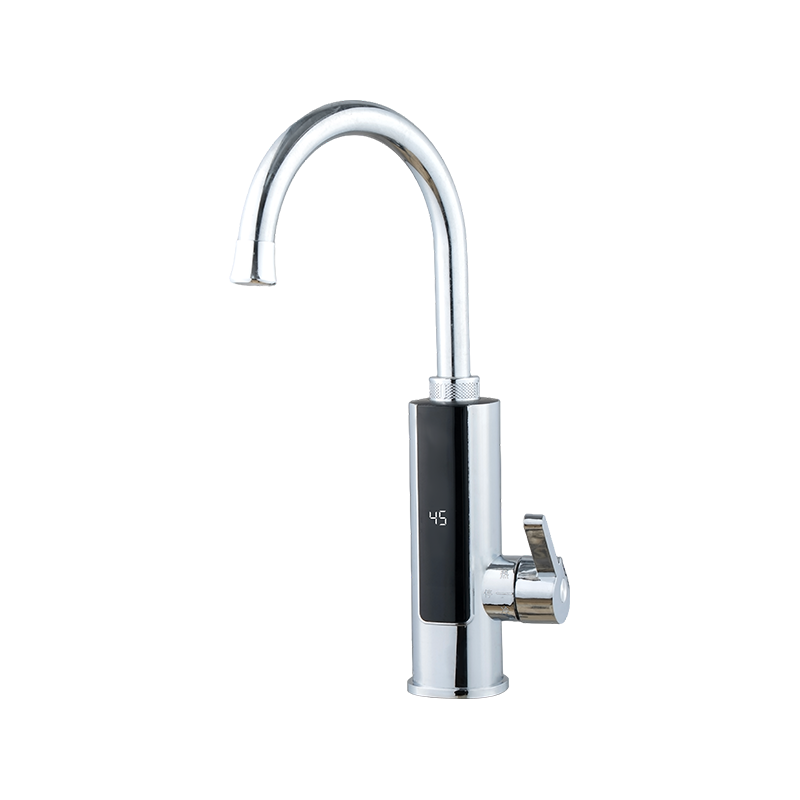
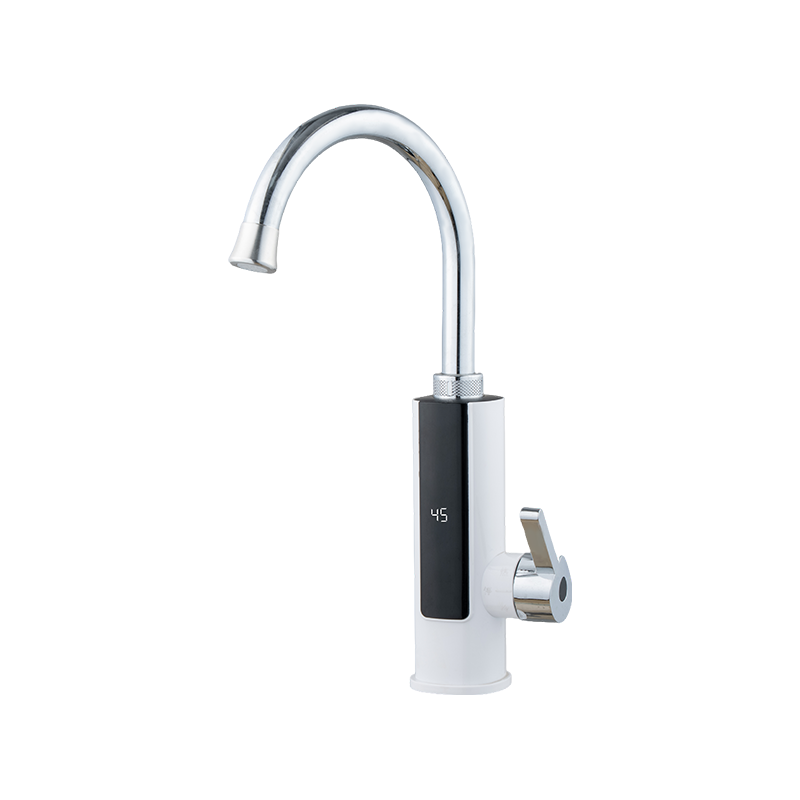
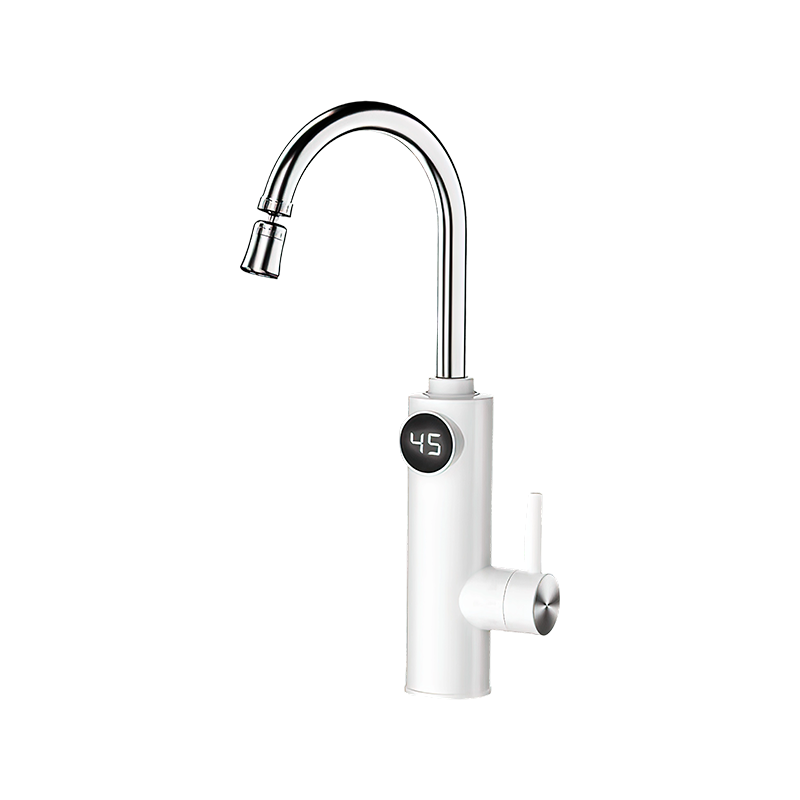



NINGBO MAITENG ELECTRIC APPLIANCE CO., LTD. integrates production and sales. The company adopts a dual model of self-management and distribution sales.
- CONTACT INFO
-
NO.8 Yaobei Avenue,Simen Town, Yuyao City, Ningbo City, Zhejiang, China
-
 +86-159 5821 2132
-
 +86-574-62178444
-
 +86-159 5821 2132
-
 [email protected]
[email protected]
-
- SCAN IT
-
Mobile terminal

