


 English
  Español
Fix a Leaky Faucet or Replace It With an Instant Electric Hot Water Faucet
Date:2026-10-12
Content
- 1 Fix a Leaky Faucet or Replace the Faucet: Decide in Ten Minutes
- 2 Where a Leaky Faucet Usually Leaks, and What the Fix Costs
- 3 When Fixing a Leaky Faucet Costs More Than a New Faucet
- 4 What to Check on a Replacement Instant Electric Hot Water Faucet
- 5 ABS or Stainless Steel: Match the Housing to the Sink
- 6 Safety, Certification and Why the Supplier Matters
- 7 Installation Notes Before You Swap the Leaking Faucet
- 8 FAQ: Fixing a Leaky Faucet and Choosing a Replacement
- 8.1 Is it worth fixing a leaky faucet, or should I replace it?
- 8.2 How do I know if my leaking faucet simply needs a new cartridge?
- 8.3 Can an instant electric hot water faucet replace a leaking one directly?
- 8.4 Does an instant electric faucet need a tank or a special circuit?
- 8.5 What safety features should I check before buying?
- 8.6 Do manufacturers offer OEM and ODM programmes for private labels?
- 8.7 Site Links
A faucet that drips once every few seconds can waste more than 20 litres of water a day, and it usually announces itself at two in the morning, when nobody wants to crawl under a sink with a torch. The practical answer is short. If the leak comes from a cartridge, an O-ring or a valve seat, a repair kit costing a few dollars normally stops it for good. If the faucet body is cracked, the chrome is peeling off in flakes, the spout feels loose in its casting, or the unit has already been opened up twice in the past few years, the money is better spent on a replacement, and an instant electric hot water faucet is the upgrade most households end up choosing because it solves the leak and removes the wait for hot water at the same time.
The rest of this guide covers how to tell those two cases apart in about ten minutes, what a repair really costs once labour is counted, and which details matter when you buy a replacement from a manufacturer or supplier instead of picking whatever is left on a hardware shelf.
Fix a Leaky Faucet or Replace the Faucet: Decide in Ten Minutes
Close the angle valve under the sink, open the faucet to drain the line, then dry the whole fixture with a cloth. Wait five minutes. Water that reappears tells you exactly where the problem lives, and the location decides the job.
- Drip from the spout while the handle is closed. The cartridge, ceramic disc or valve seat has worn. This is the classic repairable leak, and parts are cheap.
- Water around the base of the spout or under the handle. An O-ring or packing has hardened. Reseat or replace the seal and the leak usually stops immediately.
- Water seeping from the deck plate or the mounting nut. The base gasket has failed or the nut has worked loose. Clean the surface, replace the gasket and torque the nut evenly.
- Water escaping from the body itself, or a hairline crack. Nothing in a repair kit can fix a fractured casting. Replace the faucet.
- Repeated leaks on a unit older than eight years. Once scale has pitted the valve seat, each repair lasts a shorter time than the last one. Replacement is the cheaper path over two or three years.
A drip from the spout with the handle closed is almost always a cartridge or valve-seat problem and is worth repairing; water escaping from the body itself is the one leak that no repair kit can fix.
Where a Leaky Faucet Usually Leaks, and What the Fix Costs
Leak location is a better predictor of repair cost than brand, finish or age. The table below reflects common residential situations with standard parts and assumes you do the work yourself.
| Leak location | Usual cause | Typical fix | Parts cost | Working time |
|---|---|---|---|---|
| Spout drips when closed | Worn cartridge or ceramic disc | Swap the cartridge or disc set | USD 8 to 25 | 30 to 60 min |
| Base of spout | Hardened O-rings | Replace O-rings, lubricate with silicone grease | USD 3 to 10 | 20 to 40 min |
| Under the handle | Worn packing or handle seal | Reseat or replace the packing | USD 2 to 8 | 20 to 30 min |
| Around the deck plate | Failed base gasket, loose mounting nut | New gasket, even tightening | USD 2 to 6 | 15 to 30 min |
| Constant drip plus weak flow at all settings | Scale build-up and a pitted valve seat | Descale and resurface, or replace the faucet if pitting is deep | USD 10 to 30, or a new unit | 1 to 2 hours |
Two numbers matter more than the parts price. The first is your time: a cartridge swap on a single-handle mixer is a half-hour job, while a corroded three-piece valve set can eat an afternoon. The second is the water bill that keeps running while you postpone the decision. A steady drip of one drop per second adds up to roughly 20 litres a day, which is easy to check on your own meter before and after a repair.
Location, not brand, decides whether a leaky faucet is a twenty-minute seal job or a sign that the whole fixture has reached the end of its service life.
When Fixing a Leaky Faucet Costs More Than a New Faucet
Repair only stays economical while the parts are simple and the labour is your own. Once a plumber is called out, the arithmetic changes quickly, and that is the moment most households start comparing repair against replacement. The chart below puts the usual out-of-pocket figures side by side for one leaking kitchen faucet.
Out-of-Pocket Cost for One Leaking Kitchen Faucet (USD, indicative)
DIY repair kit
20
Plumber repair visit
150
Basic mixer plus plumber
260
Instant electric hot water faucet, self-installed
70
The pattern is consistent: a parts-only repair is the cheapest option, a plumber call-out is not, and a like-for-like mixer swap is often the most expensive route because you pay for both the new fixture and the labour. An instant electric hot water faucet sits in an interesting middle position. It replaces the leaking fixture in the same mounting hole, arrives as a complete unit with its own heating element, and removes the separate hot water run, which is why buyers comparing quotes frequently find the upgrade cheaper than a straight replacement plus a service call. For a household that already waits thirty seconds for hot water at the sink, the payback is not only about the leak.
Paying a plumber once to repair an ageing faucet often costs more than fitting a new instant electric unit that eliminates the leak and the waiting time together.
What to Check on a Replacement Instant Electric Hot Water Faucet
An instant electric hot water faucet carries the heater inside the body, so the specification sheet matters far more than it does for a passive mixer. The points below are the ones that decide whether the unit still performs well after two winters of hard water.
Power, heating element and temperature control
Kitchen models commonly run at 3000W or 3400W. Higher wattage means faster delivery but also a heavier load on the circuit, so check what the socket and breaker can carry before ordering. Stainless steel heating elements tolerate scale better than bare resistive coils, and a thermostatic version holds the outlet temperature steady instead of letting it swing as the flow changes.
Safety features that are not optional
Look for dry-burn protection, over-temperature cut-off, leakage protection and water resistance rated to IPX4 at minimum. These are the features that separate a compliant unit from a bargain one, and they are the reason buyers ask for the certificate rather than the price alone.
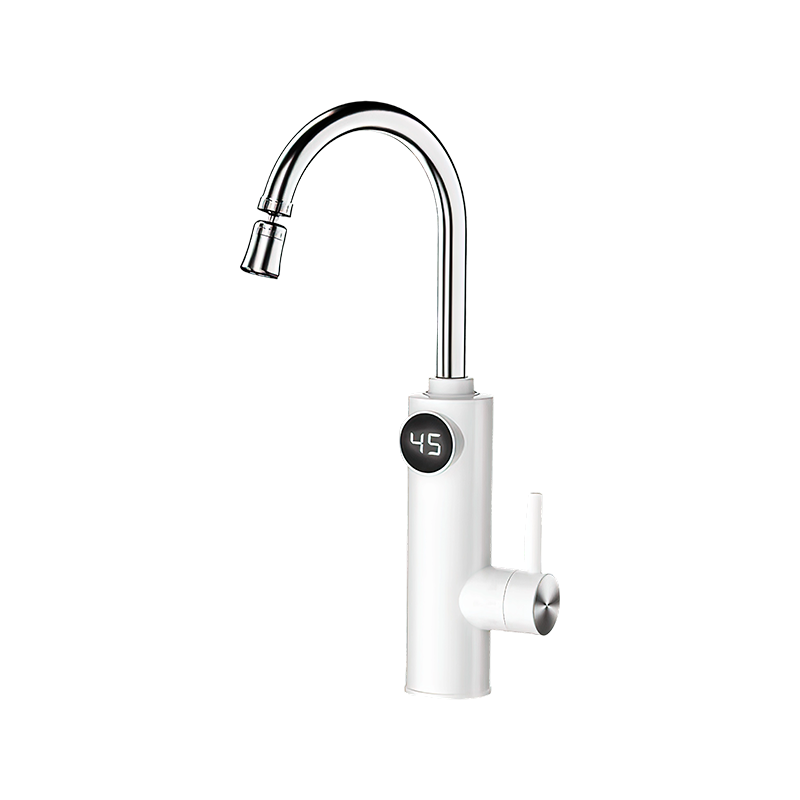
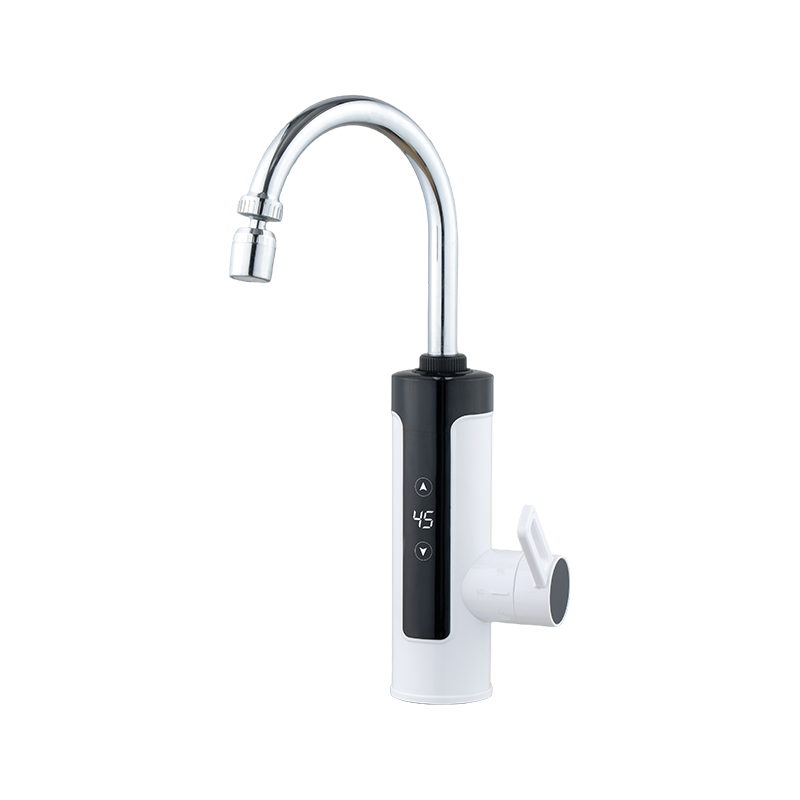
 SS-09-34 smart temperature adjustment ABS electric hot water faucet instant heating electrInstant electric Kitchen faucet (ABS)View Product →
Daily-use details
- LED temperature display, which removes the guesswork when filling a baby bottle or a stock pot.
- 360 degree rotatable spout for twin-bowl sinks and rinsing large pans.
- Built-in water filtration, useful in areas where fine sediment shortens the life of any cartridge.
- Handle feel and swing, since a stiff lever becomes annoying long before the heater fails.
Wattage and temperature control decide how fast the water arrives, but dry-burn, over-temperature and leakage protection decide whether the unit is safe to leave connected all day.
ABS or Stainless Steel: Match the Housing to the Sink
Both housings are sold in large volumes, and neither is simply better. ABS engineering plastic is lighter, warms less to the touch and costs less to replace, which suits busy kitchen sinks where the faucet gets knocked by pans. Stainless steel resists impact and scratching, holds its appearance longer in a bathroom, and tends to be the choice for higher-end kitchen projects and hotel or rental refurbishment.
Material also affects the internals. Stainless steel bodies are usually paired with a stainless heating path, while ABS housings often use a more compact heater module, which keeps the overall weight down and makes a quick-connect installation easier. If the sink sits against a wall with little clearance, a compact ABS body with a horizontal digital display is often the more practical fit; if the faucet is the visual centre of an open kitchen, a stainless model with a large display reads as the more considered purchase.
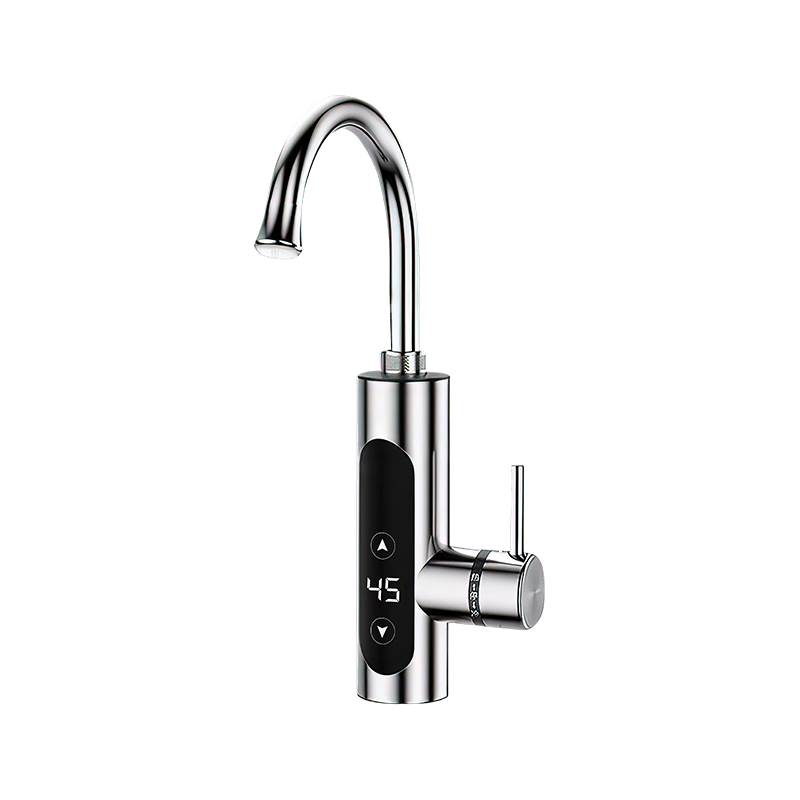 BSDH-01X-34 instant electric heating tap with digital display thermostatic faucet water heInstant electric Kitchen faucet (stainless steel)View Product →
Whichever housing you choose, keep the spare-part question in mind. A supplier that also acts as a manufacturer can usually provide replacement cartridges, seals and heater modules years after the original order, and that availability matters more than the finish on day one.
Choose ABS where weight, cost and tight clearance matter, and stainless steel where the faucet is on show and has to take knocks for a decade.
Safety, Certification and Why the Supplier Matters
An electric faucet mixes water and mains power inside one small housing, so certification is not paperwork for its own sake. A unit built under an ISO9001 quality system and carrying CE marking has gone through documented inspection of its insulation, earthing path and thermal cut-off, and the manufacturer can trace which production batch it came from.
For anyone buying in volume, the more useful question is whether the factory controls the process end to end. A supplier that also manufactures its own heating elements, molds its own housings and runs a separate quality department can change a specification without waiting on an outside workshop. That is how buyers get consistent leakage protection across a container load rather than a sample that behaves differently from the rest. Independent guidance on the safety fundamentals of these products is worth ten minutes of reading before you place an order, particularly around bathroom use.
Practical checks before you commit to a supplier or wholesaler:
- Ask for the current certificate numbers and the test standard they refer to, not a photograph of a logo.
- Confirm the rated voltage and frequency for your market, and whether the plug type matches local sockets.
- Request the IP rating, leakage protection threshold and dry-burn cut-off time in writing.
- Ask what happens to the warranty when the unit is installed in a hard water area.
- Check whether OEM and ODM work is offered from drawings or samples, and what the minimum order quantity is.
A certificate tells you the design passed once; a manufacturer with its own production, inspection and after-sales departments is what keeps every later shipment at the same standard.
Installation Notes Before You Swap the Leaking Faucet
Replacing a leaking faucet with an instant electric model is close to a straight swap, but four measurements decide whether it goes smoothly. Check the mounting hole, usually 32 to 35 mm for a kitchen sink and slightly different on a basin. Confirm the deck thickness so the threaded shank and nut still have room. Note the distance from the hole to the back wall, because a tall body with a rotating spout needs clearance. Finally, confirm there is an earthed socket within reach of the cable, or plan for a spur with an RCD.
Threads are another common surprise. Most residential supplies use a standard G1/2 connection, and quick-connect kits exist precisely because the old flexible hose rarely matches a new fixture. A free-installation model with a push-fit inlet removes the need for a plumber on the water side and keeps the job inside an afternoon. Before tightening anything, flush the line for thirty seconds with the faucet removed; grit left in an old pipe is the fastest way to clog a new heating chamber.
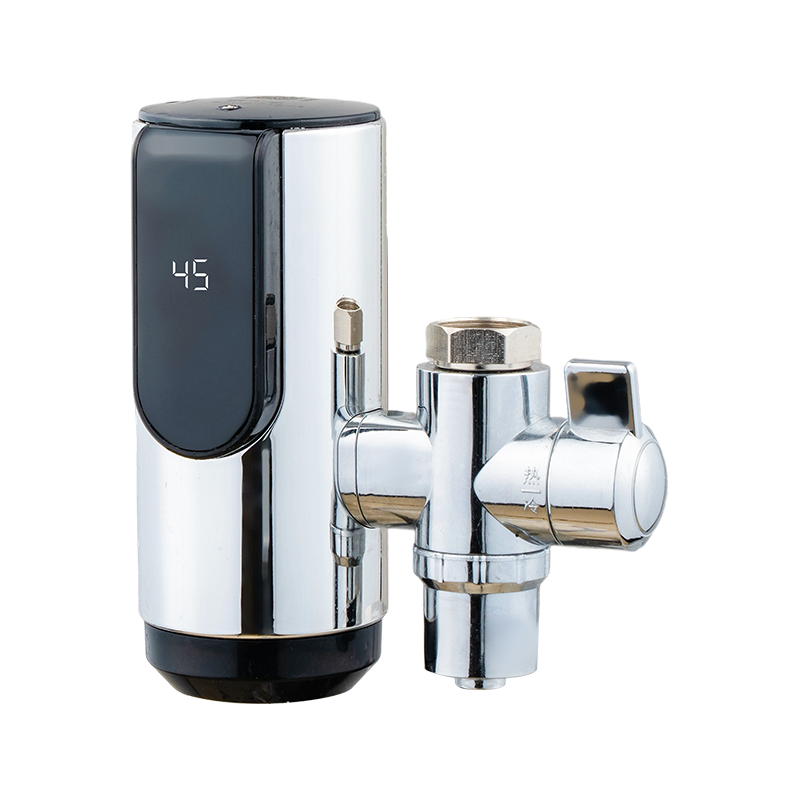 SJ-05-34 constant temperature ABS instant elctric free installation hot water faucet instaInstant electric quick free installation faucetView Product →
Once fitted, run the unit at maximum flow for a minute and watch for weeping at both the inlet and the deck. A single drip there means the seal is pinched, not that the unit is faulty, and it is far easier to correct before the sink is full of dishes again.
Measure the hole, the deck thickness, the wall clearance and the socket location first; those four numbers prevent almost every installation problem after the old faucet comes out.
FAQ: Fixing a Leaky Faucet and Choosing a Replacement
Is it worth fixing a leaky faucet, or should I replace it?
Repair when the leak comes from a cartridge, O-ring, packing or valve seat and the body is sound. Replace when the casting is cracked, the finish is failing, the valve seat is deeply pitted, or the faucet is more than eight years old and has already been repaired more than once.
How do I know if my leaking faucet simply needs a new cartridge?
If the faucet drips from the spout while the handle is fully closed but the flow is normal when open, the cartridge or ceramic disc is the likely cause. Take the old cartridge to the shop as a sample, because thread length and diameter differ between brands.
Can an instant electric hot water faucet replace a leaking one directly?
In most cases yes. The unit mounts in the same hole and uses the same cold water supply, provided the hole size, deck thickness and power socket requirements are met. The hot water line from a tank or boiler is no longer needed at that point.
Does an instant electric faucet need a tank or a special circuit?
No tank is required, since heating happens inside the faucet body. A dedicated earthed circuit is recommended for 3000W and 3400W models, and the breaker rating should be confirmed against the local wiring rules before installation.
What safety features should I check before buying?
Look for over-temperature cut-off, dry-burn protection, leakage protection and an IPX4 or better water resistance rating, backed by current certification from a factory working to a recognised quality management system.
Do manufacturers offer OEM and ODM programmes for private labels?
Yes. Factories in this category frequently develop products from a customer drawing or sample, which allows a distributor or wholesaler to specify wattage, housing material, display type and packaging under its own brand.
A leaking faucet is a small problem with a clear decision behind it: repair the parts that wear out, and replace the fixture once the body, the finish or the valve seat has gone. If replacement is the answer, an instant electric hot water faucet turns a repair job into an upgrade, because the same hole in the sink now delivers hot water in a few seconds without a tank in the cupboard.
The details that decide long-term satisfaction are unglamorous: heater material, wattage matched to the circuit, a thermostat that holds temperature steady, and safety cut-offs that are certified rather than claimed. Get those right and the drip at two in the morning becomes a problem you solve once.
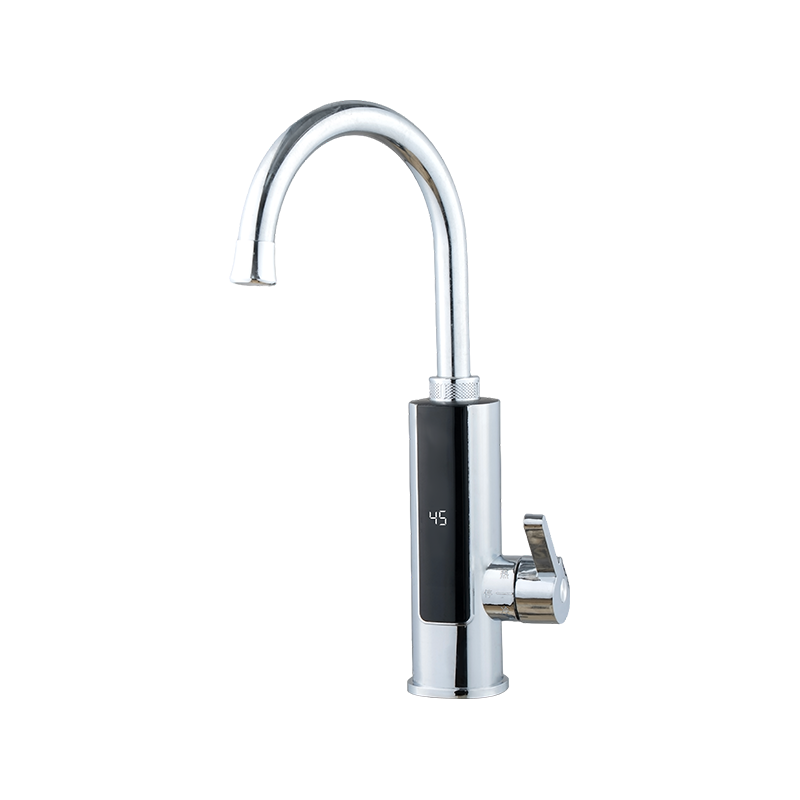
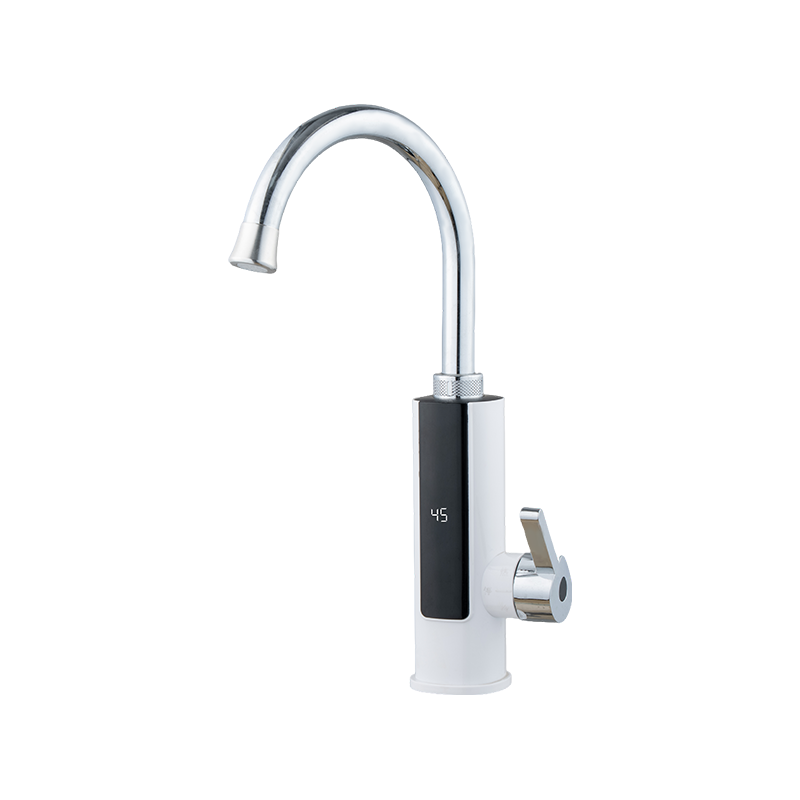



NINGBO MAITENG ELECTRIC APPLIANCE CO., LTD. integrates production and sales. The company adopts a dual model of self-management and distribution sales.
- CONTACT INFO
-
NO.8 Yaobei Avenue,Simen Town, Yuyao City, Ningbo City, Zhejiang, China
-
 +86-159 5821 2132
-
 +86-574-62178444
-
 +86-159 5821 2132
-
 [email protected]
[email protected]
-
- SCAN IT
-
Mobile terminal

