


 English
  Español
Do instant electric water heaters save energy compared to traditional tanks?
Date:2026-04-07
Content
- 1 Standby Heat Loss: The Hidden Energy Waste of Traditional Tanks
- 2 Comparative Energy Analysis: Instant vs. Tank
- 3 Pipe Heat Loss and Recirculation Savings
- 4 Real-World Scenarios: Where Instant Heaters Save Most
- 5 Ningbo Maiteng Electric Appliance Co., Ltd.: Professional Instant Electric Water Heater Manufacturer
- 6 Frequently Asked Questions (FAQ) About Energy Savings
Conclusion: Yes, instant electric water heaters save significant energy compared to traditional tank heaters by eliminating standby heat loss and heating water only on demand — typically reducing water heating energy consumption by 15% to 35% for low-to-medium usage households. Traditional tank heaters maintain 30-80 liters of water at a set temperature 24/7, losing 10-20% of energy through tank walls and pipes. In contrast, an instant electric water heater activates only when the tap opens, consuming power precisely for the water volume needed. For many homes, especially those with intermittent hot water needs (kitchens, guest bathrooms, or remote sinks), the energy savings are substantial. As a reliable Instant Electric water heater manufacturer, factory, supplier, and exporter, Ningbo Maiteng designs point-of-use units that prioritize efficiency without compromising performance.
Standby Heat Loss: The Hidden Energy Waste of Traditional Tanks
Conventional storage water heaters continuously lose heat to the surrounding environment, even when no hot water is being used. This standby loss accounts for 10% to 20% of a household's water heating bill. For a typical 50-liter tank with 1.5 kW heating element, standby losses can amount to 200-400 kWh per year — equivalent to running a refrigerator for several months.
Annual Standby Energy Loss Comparison (kWh/year)
Traditional Tank (50L)
~350 kWh lost
Instant Electric Heater
~15 kWh lost
Instant heaters have negligible standby loss because no stored water is kept hot
Instant electric water heaters completely eliminate standby loss. There is no tank, no stored hot water, and no energy wasted keeping water hot for hours. This single factor makes them inherently more efficient for many applications.
Comparative Energy Analysis: Instant vs. Tank
Actual energy savings depend on usage patterns. The table below summarizes estimated annual energy consumption for a typical household with moderate hot water usage (approximately 40 liters of hot water per day at 40°C rise).
| Parameter | Traditional Tank Heater (50L) | Instant Electric Heater | Savings |
|---|---|---|---|
| Heating energy (useful) | ~850 kWh | ~850 kWh | 0 kWh (same useful heat) |
| Standby loss (tank + pipes) | ~320 kWh | ~15 kWh (minimal electronics) | ~305 kWh saved |
| Total annual energy | ~1,170 kWh | ~865 kWh | ~305 kWh (26% savings) |
| CO₂ emissions (approx.) | ~480 kg | ~355 kg | ~125 kg saved |
For households that use hot water only a few times per day (e.g., kitchen sink, office breakroom), savings can exceed 30%. Conversely, homes with continuous high-volume usage (e.g., multiple back-to-back showers) may see lower relative savings, but instant units still avoid standby loss entirely.
Energy Savings by Usage Frequency (Annual kWh)
Orange line: Instant heater | Blue dashed line: Traditional tank (higher due to standby loss)
Pipe Heat Loss and Recirculation Savings
In traditional systems, hot water travels from a central tank through pipes to the point of use. During this journey, heat dissipates into surrounding walls or crawl spaces — especially in long pipe runs. An instant electric water heater installed directly under the sink or near the point of use eliminates long pipe runs, saving an additional 5% to 10% in energy that would otherwise be lost from pipe radiation. Furthermore, tank systems often use recirculation pumps to provide instant hot water, which consumes extra electricity (typically 30-100 watts continuously). Point-of-use instant heaters make recirculation unnecessary, removing this parasitic load entirely.
Why Location Matters
- Under-sink instant heater: pipe length less than 1 meter → minimal heat loss.
- Central tank heater: pipe runs of 5-15 meters common → 8-15% heat loss before water reaches tap.
- Recirculation pumps: add 200-800 kWh annually for continuous operation.
For remote areas like a garage sink, guest bathroom, or outdoor kitchen, an instant electric water heater is often the most energy-efficient solution.
Real-World Scenarios: Where Instant Heaters Save Most
The greatest energy savings occur in applications with intermittent or low-volume hot water usage. Below are typical scenarios with estimated savings compared to a central tank system.
| Application | Typical Usage | Estimated Savings |
|---|---|---|
| Kitchen sink (residential) | 10-15 uses/day, 2-3L each | 30-35% |
| Office breakroom | 20-30 uses/day, low volume | 35-40% |
| Guest bathroom (infrequent) | 2-5 uses/week | 50-60% |
| Small retail handwash station | Frequent short bursts | 25-30% |
| Primary bathroom (high use) | 4-6 showers + handwashing | 10-15% |
Payback Period Sensitivity (Instant vs. Tank Replacement)
Low usage
~1.5 years
Medium usage
~2.5 years
High usage
~4 years
Estimated based on energy rates and typical equipment costs (general illustration)
Ningbo Maiteng Electric Appliance Co., Ltd.: Professional Instant Electric Water Heater Manufacturer
Established in 2011, NINGBO MAITENG ELECTRIC APPLIANCE CO., LTD. has been dedicated to the electric water heating faucet project for over a decade. We are ISO9001 certified and CE certified. Our company spans 10,000 square meters, 200 employees, with annual output 2 million units, encompassing sales, e-commerce, production, after-sales, warehousing, and quality inspection departments. We have strategic partnerships with renowned domestic brands such as Arrow, Konka, Sacon, Sunrain, and Royalstar. We also produce and sell our own brands, Dongri Le and Aituosheng.
In March 2019, we launched our new brand, HELLO DREAM. We operate through a dual sales model, encompassing self-operation and distribution via 4 Tmall stores, 5 Pinduoduo stores, 2 Taobao enterprise stores, and 1 Alibaba wholesale platform store. This strategy has contributed to our consistent growth. In 2023, we expanded our operations by establishing a foreign trade department to target a broader market.
Our products are built on the foundation of "quality first", embracing science and technology, focusing on people, and striving for excellence. Our slogan is "Fast and hot life starts with me". We are committed to developing new products and ensuring customer satisfaction. We have earned the trust of our customers through our diverse product range and commitment to small profits, quick turnover.
We welcome your visit to our factory, looking forward to potential future cooperation.
As a professional Instant Electric water heater manufacturer, factory, supplier, and exporter, Ningbo Maiteng combines advanced engineering, rigorous testing, and energy-efficient designs to deliver reliable instant water heating solutions for global markets. Our products help households and businesses reduce energy waste while enjoying on-demand hot water.
Frequently Asked Questions (FAQ) About Energy Savings
Q1: Does an instant electric water heater use less electricity than a tank heater?
Yes, for most residential applications. Instant heaters eliminate standby loss (10-20% of tank energy use). Actual savings depend on usage frequency; intermittent users save the most.
Q2: Can an instant water heater be used as a whole-house solution?
Yes, larger whole-house instant heaters exist, but they require high electrical capacity. For point-of-use applications (single sink), they are very efficient. For whole-house, savings are lower but still positive due to no standby loss.
Q3: Does turning off a tank heater when not in use save energy?
Yes, but it is inconvenient and still less efficient than an instant heater because the tank must reheat from cold. Instant heaters avoid this issue entirely.
Q4: Are instant electric water heaters more expensive to operate due to higher wattage?
No. Higher wattage (e.g., 3000W vs 1500W) means faster heating, not more total energy. The total kWh used is lower because of shorter heating time and no standby losses.
Q5: How much can I save annually by switching to an instant electric water heater for my kitchen?
Based on typical usage, a kitchen point-of-use instant heater saves approximately 250-350 kWh per year compared to drawing hot water from a central tank, plus reduced water waste from waiting.
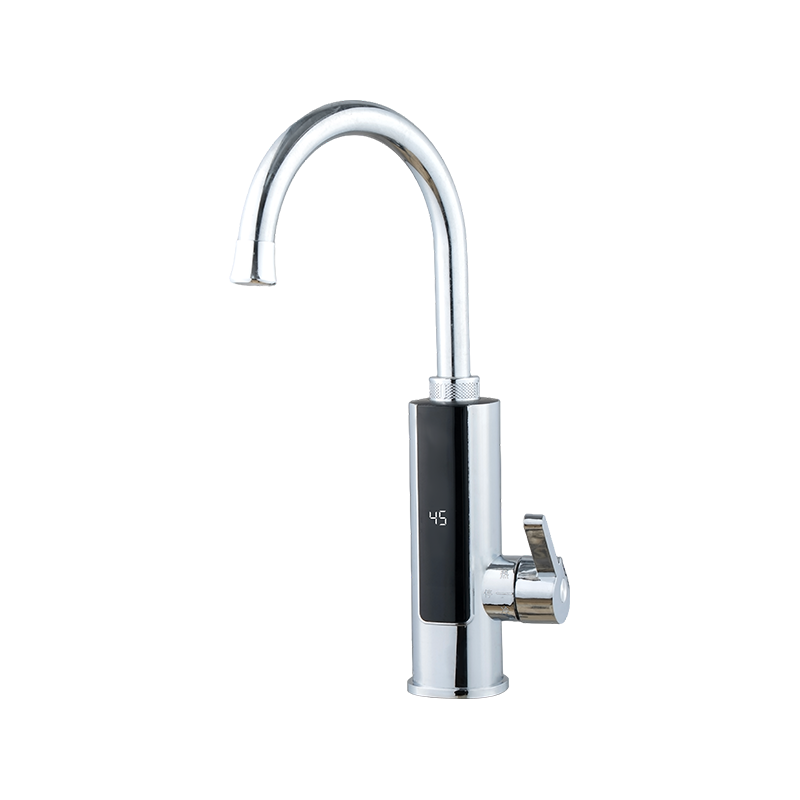
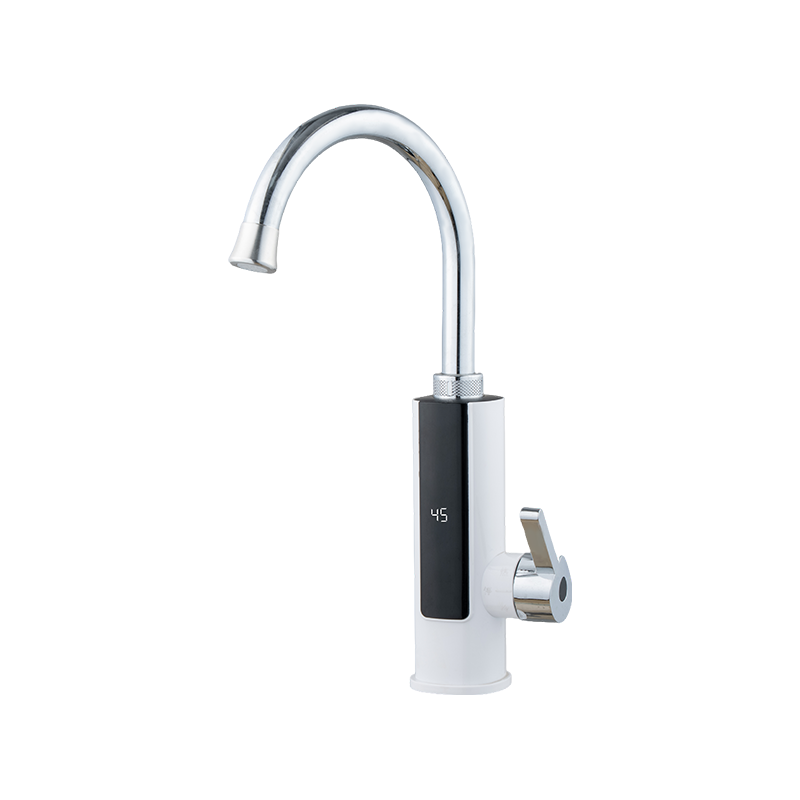
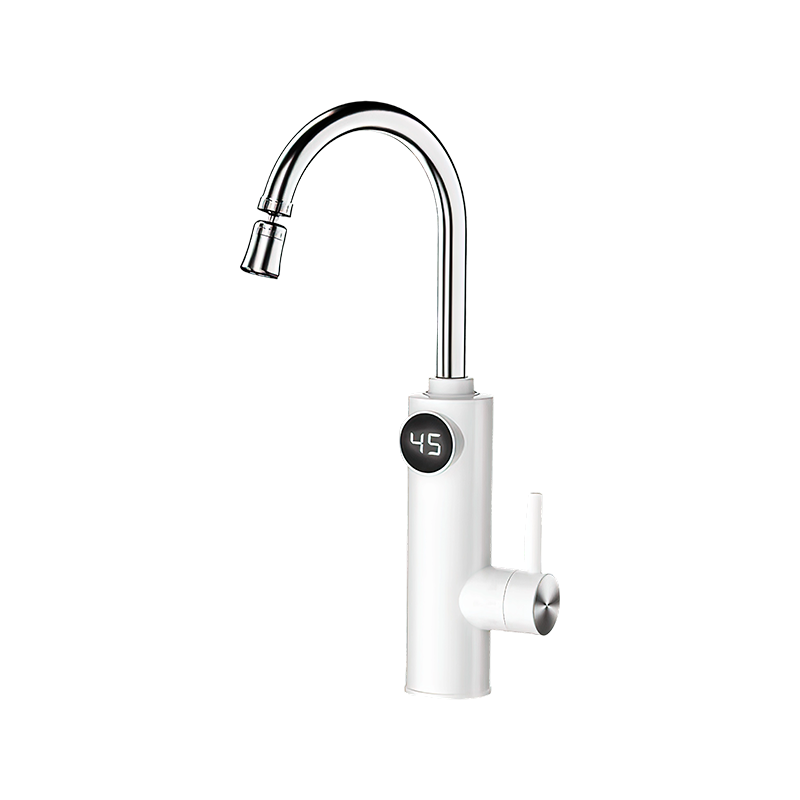
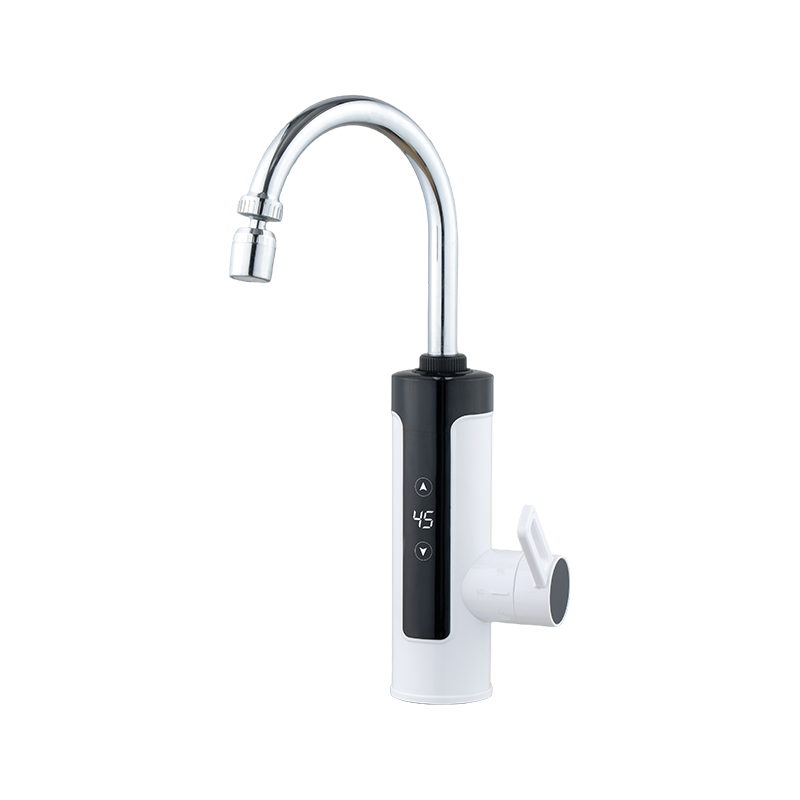



NINGBO MAITENG ELECTRIC APPLIANCE CO., LTD. integrates production and sales. The company adopts a dual model of self-management and distribution sales.
- CONTACT INFO
-
NO.8 Yaobei Avenue,Simen Town, Yuyao City, Ningbo City, Zhejiang, China
-
 +86-159 5821 2132
-
 +86-574-62178444
-
 +86-159 5821 2132
-
 [email protected]
[email protected]
-
- SCAN IT
-
Mobile terminal

